
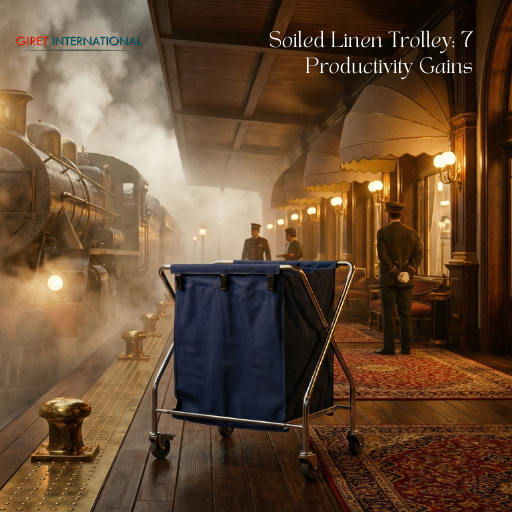
Soiled Linen Trolley directly influences housekeeping productivity in hotels, resorts and large hospitality properties. Behind every efficiently prepared room lies a system of structured movement, coordinated timing and disciplined linen handling.

When used sheets and towels are collected manually or inconsistently, valuable time is lost. Staff energy decreases, routes overlap and workflow becomes fragmented. A properly implemented Soiled Linen Trolley transforms linen transport into a streamlined routine that supports measurable output growth.
Productivity improves when movement becomes organized.
Soiled Linen Trolley and Operational Efficiency
Housekeeping productivity depends on eliminating repetitive, non-value tasks. Carrying small bundles of linen across corridors consumes time without directly improving room cleanliness.
A Soiled Linen Trolley increases transport capacity per round, reducing interruptions and preserving work momentum.
Efficient transport protects cleaning time.
1. Reduces Repetitive Movement
Manual collection requires frequent return trips to service areas. These trips add minutes that accumulate across shifts.
A Soiled Trolley allows staff to collect larger volumes in fewer rounds. Less repetition means more time spent on core cleaning duties.
Fewer steps increase measurable output.
2. Accelerates Room Turnover Cycles
Room readiness depends on swift linen removal. Delayed transport slows down re-preparation.
A Soiled Linen Trolley supports faster clearing from guest rooms, allowing cleaning teams to progress without waiting.
Continuous flow accelerates turnover speed.

3. Preserves Staff Energy Levels
Fatigue reduces performance consistency. Carrying heavy linen manually drains physical energy quickly.
A Soiled Trolley shifts load-bearing responsibility to its frame and wheels, reducing physical strain.
Conserved energy sustains productivity throughout the shift.
4. Improves Coordination Across Floors
Overlapping collection routes create confusion and duplicated effort.
With a Soiled Linen Trolley, housekeeping supervisors can define structured movement paths. Staff follow predictable rounds without crossing unnecessarily.
Organized routes increase operational clarity.
5. Enhances Laundry Processing Speed
Laundry productivity influences housekeeping speed. Delayed washing cycles create linen shortages.
A Soiled Linen Trolley ensures steady transfer to laundry areas, maintaining balanced processing schedules.
Consistent inflow improves turnaround time.
6. Minimizes Idle Waiting Periods
Temporary stacking and unscheduled transport create downtime while staff wait for availability or instructions.
A Soiled Trolley supports continuous collection without interruption.
Reduced idle time increases overall output.
7. Stabilizes Peak Occupancy Performance
High occupancy intensifies workload. Productivity systems must scale without breaking down.
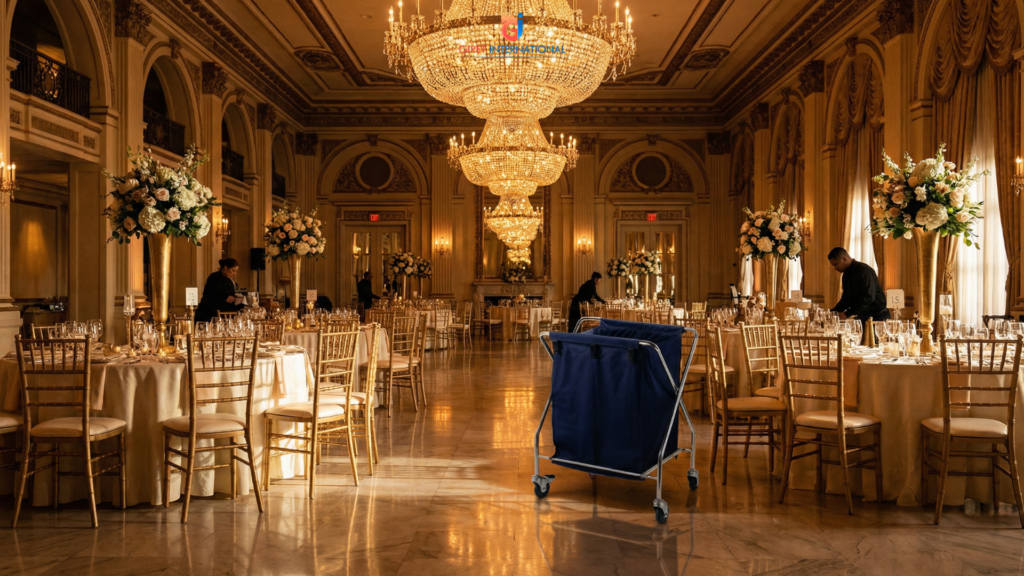
A Soiled Linen Trolley handles increased linen volume without increasing transport chaos.
Scalable structure maintains consistent performance.
Soiled Linen Trolley and Predictable Workflow
Predictability strengthens productivity measurement. When processes are inconsistent, identifying bottlenecks becomes difficult.
A Soiled Trolley introduces standard timing into collection cycles, allowing managers to evaluate output accurately.
Measured systems are easier to improve.
Soiled Linen Trolley Supports Balanced Task Distribution
Efficient tools allow supervisors to allocate tasks evenly across teams. When linen removal slows certain sections, workload imbalance occurs.
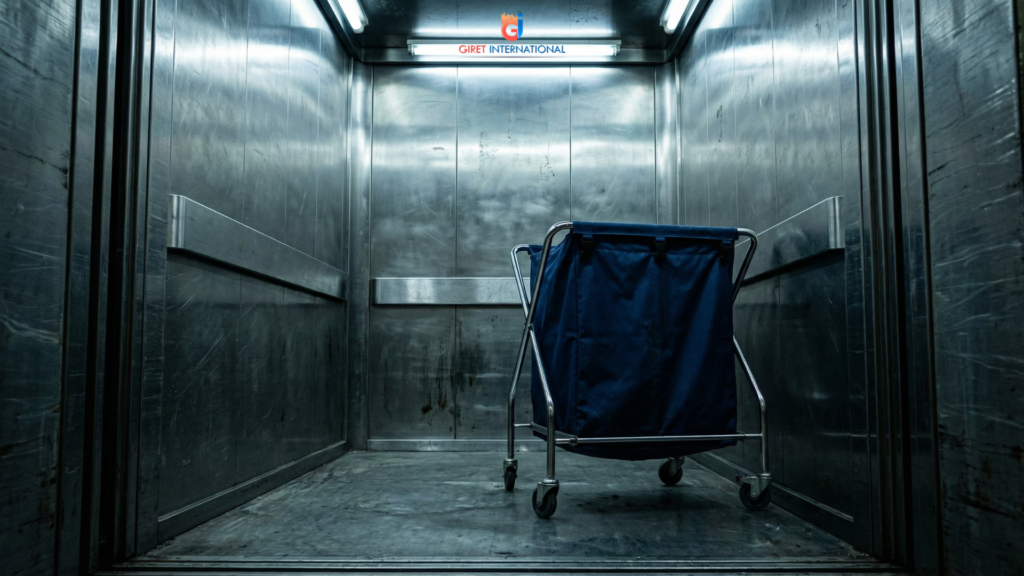
A Soiled Linen Trolley stabilizes transport pace, supporting fair distribution of cleaning responsibilities.
Balanced teams operate more efficiently.
Enhances Focus on Core Tasks
Housekeeping performance depends on attention to detail. Constant interruptions from transport duties reduce focus.
By simplifying movement, a Soiled Linen Trolley allows staff to prioritize cleaning precision.
Focused effort increases quality and speed simultaneously.
Soiled Linen Trolley Reduces End-of-Shift Backlogs
Backlogs form when linen removal is postponed during busy hours. Late accumulation creates overtime risk.
A Soiled Trolley prevents buildup by encouraging consistent collection throughout the day.
Continuous flow protects schedule discipline.
Soiled Linen Trolley and Data-Driven Productivity Tracking
Structured transport allows supervisors to monitor output more effectively. When routes remain standardized, deviations become visible.
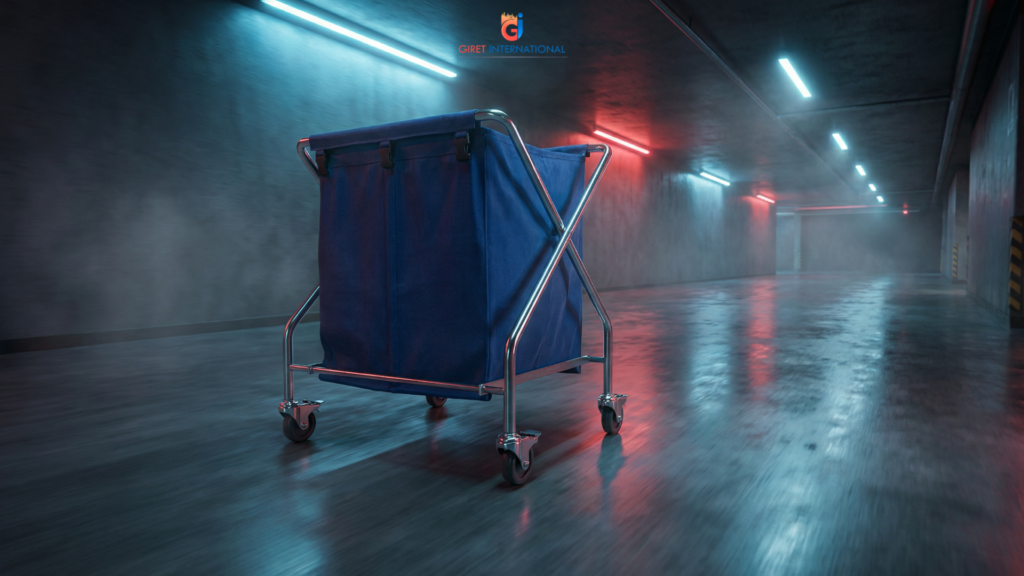
A Soiled Linen Trolley supports measurable operational rhythm, helping management identify areas for improvement.
Data-backed efficiency strengthens decision-making.
Protects Long-Term Output Stability
Productivity gains must remain sustainable. Overworked staff and chaotic systems eventually reduce performance.
A Soiled Linen Trolley embeds efficiency into routine, preventing burnout and operational disorder.
Stable systems maintain steady output growth.
Soiled Linen Trolley as a Performance Multiplier
One structured tool can influence multiple productivity factors simultaneously: transport speed, staff energy, coordination and laundry timing.
A Soiled Trolley acts as a multiplier by optimizing these interconnected elements.
Integrated efficiency produces lasting results.
Final Thoughts
Productivity in hospitality is not about rushing. It is about structured movement and controlled workflow.
By implementing a Soiled Linen Trolley, hotels reduce repetitive transport, conserve staff energy, stabilize coordination and accelerate room readiness.
Centralized containment reduces delay.
Balanced mobility increases speed.
Structured routine strengthens output.
In hotel operations, higher productivity is achieved not by working harder but by working smarter through disciplined systems.
About Giret International
Contact Us
Hospitality Products
Instagram | Facebook | Pinterest | YouTube | X (Twitter)