
Soiled Linen Trolley is a critical solution for hotels aiming to eliminate housekeeping delays and maintain smooth operational flow. In hospitality, time directly influences revenue, guest satisfaction and staff productivity. Even minor interruptions in linen collection can slow room turnover and create cascading delays across departments.
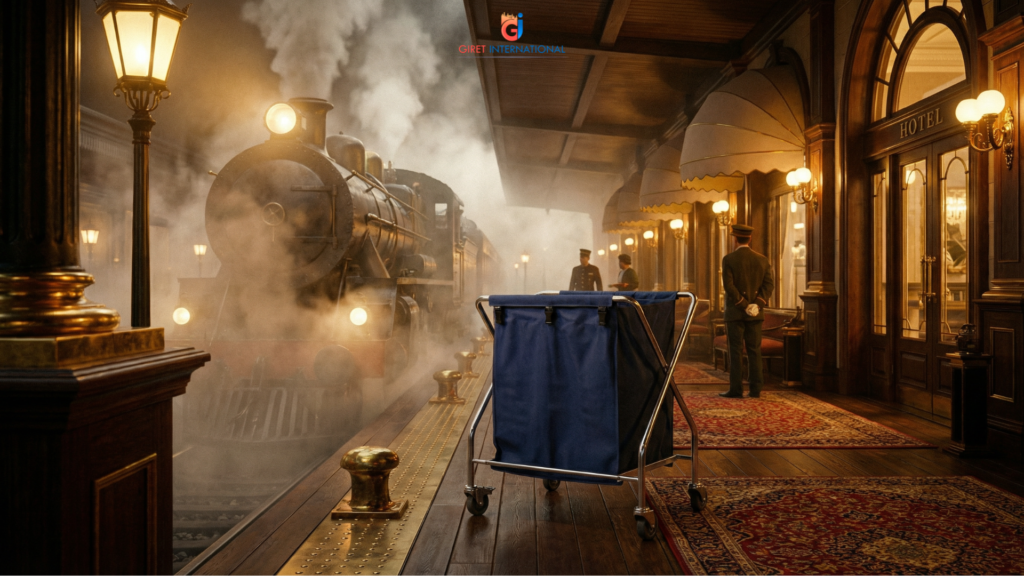
Housekeeping performance depends heavily on how efficiently used linen is removed, transported and delivered to laundry zones. Without structure, staff waste time making repeated trips, navigating cluttered corridors and coordinating unscheduled transfers. A properly implemented Soiled Linen Trolley introduces predictable, organized movement that reduces unnecessary delays and strengthens daily efficiency.
Faster collection leads to faster readiness.
Soiled Linen Trolley and Time Discipline in Housekeeping
Time discipline forms the foundation of high-performing housekeeping teams. Every extra minute spent on transport reduces cleaning capacity.
A Soiled Linen Trolley increases load capacity per round, allowing staff to collect larger quantities of linen without returning repeatedly to service areas. This structured approach minimizes wasted movement and preserves momentum throughout the shift.
When movement becomes organized, delay points disappear.
For heavy load reliability reference:
/soiled-linen-trolley-5-heavy-load-problems-fixed
For productivity insights:
soiled-linen-trolley-8-guest-experience-risk-reduced
System consistency reduces unpredictability.
1. Reduces Repetitive Transport Cycles
Manual linen carrying forces housekeeping staff to make multiple small trips between rooms and laundry points.
A Soiled Linen Trolley consolidates transport into fewer, more efficient rounds. Staff complete collection across multiple rooms before heading to laundry.
Fewer cycles shorten cleaning timelines significantly.
2. Prevents Corridor Congestion Delays
Loose linen temporarily stacked outside rooms blocks movement and slows staff circulation.
A Soiled Linen Trolley centralizes all used linen immediately, keeping service corridors open and navigable.
Clear pathways improve floor mobility.
3. Improves Laundry Scheduling Coordination
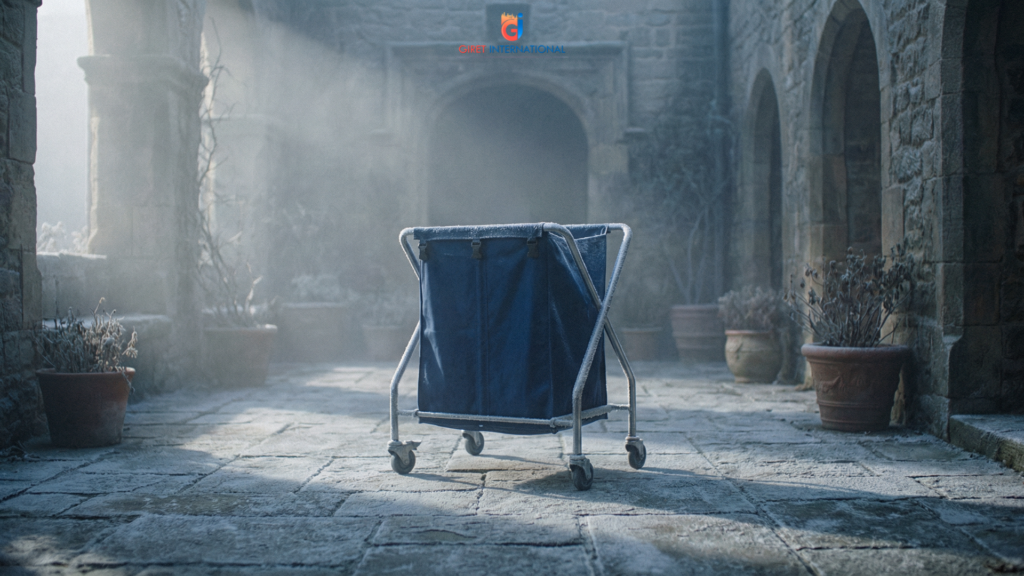
Irregular linen delivery creates processing bottlenecks in laundry areas. When large volumes arrive unexpectedly, machines overload and staff wait.
A Soiled Linen Trolley promotes steady and predictable inflow to laundry teams.
Balanced scheduling prevents processing slowdowns.
4. Minimizes Fatigue-Induced Slow Performance
Fatigue reduces pace and attention. Carrying heavy bundles manually drains energy early in the shift.
A Soiled Linen Trolley shifts physical strain from staff to its reinforced frame and castor wheels.
Reduced strain supports consistent speed from morning to evening.
5. Eliminates Waiting for Equipment Availability
When transport systems are insufficient, staff may wait for access to carts or improvisational solutions.
A Soiled Linen Trolley provides dedicated containment, reducing waiting time and eliminating confusion about transport readiness.
Immediate access enhances operational continuity.
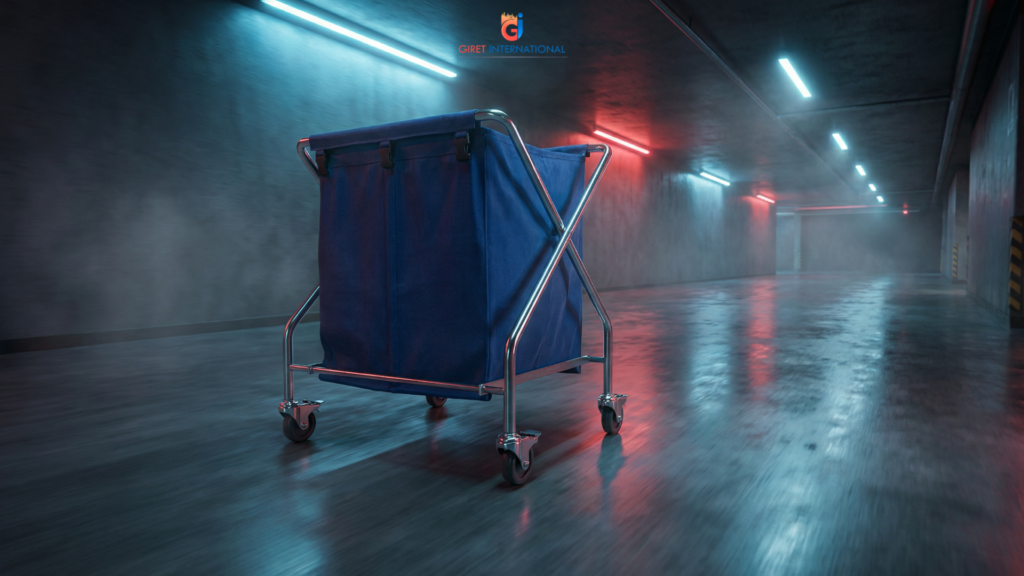
6. Reduces Elevator and Transfer Delays
Service elevators can become delay zones during peak linen movement. Large, unstable bundles slow loading and unloading.
A Soiled Trolley maintains compact structure, allowing quicker elevator transitions and smoother vertical movement.
Efficient transitions protect schedule alignment.
7. Prevents End-of-Shift Linen Backlogs
When linen removal is postponed during busy hours, accumulation creates last-minute pressure.
A Soiled Linen Trolley encourages continuous collection rather than batch clearing at the end of shifts.
Steady removal prevents backlog congestion.
Soiled Linen Trolley During Peak Checkout Hours
Checkout windows often generate the highest operational strain. Multiple rooms must be cleared quickly to prepare for incoming guests.
A Soiled Trolley absorbs increased linen volume without compromising stability or mobility. Staff maintain pace without slowing down due to transport limitations.
Scalable efficiency supports peak performance.
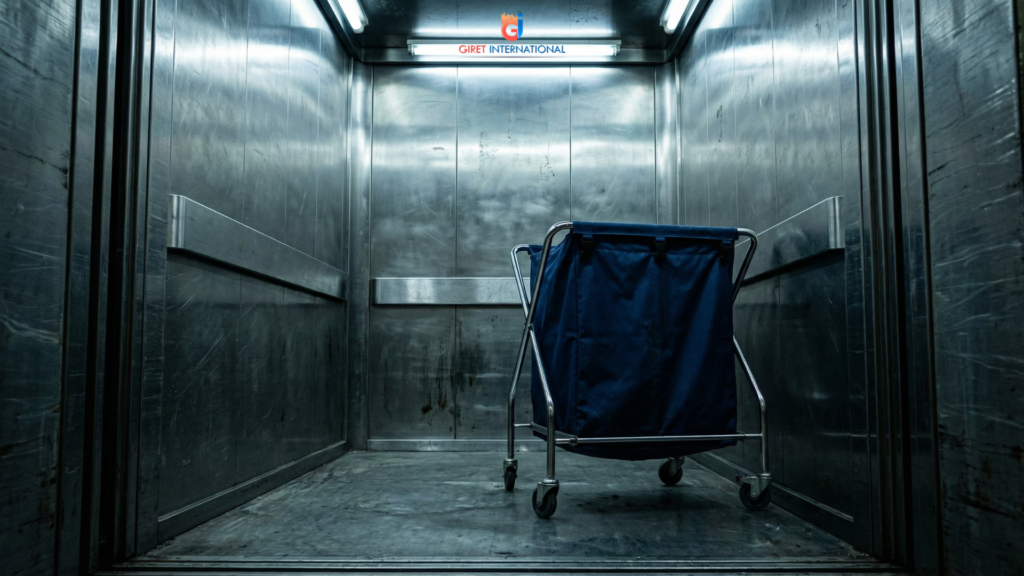
Soiled Linen Trolley and Supervisor Oversight
Supervisors benefit from visible structure. When collection routes follow predictable patterns, monitoring becomes simpler.
A Soiled Linen Trolley creates defined transport cycles that allow managers to identify delay sources quickly and adjust schedules proactively.
Structured oversight prevents recurring slowdown.
Soiled Linen Trolley Supports Balanced Work Distribution
Delays often occur when certain staff members face heavier linen loads than others.
A Soiled Trolley stabilizes collection pace, ensuring that workload remains evenly distributed across teams.
Balanced teams operate more efficiently.
Soiled Linen Trolley Strengthens Operational Rhythm
Consistency builds speed. When housekeeping follows structured transport methods, workflow gains natural rhythm.
A Soiled Linen Trolley embeds predictable timing into daily practice, reducing hesitation and improving confidence.
Stable rhythm prevents disruption.
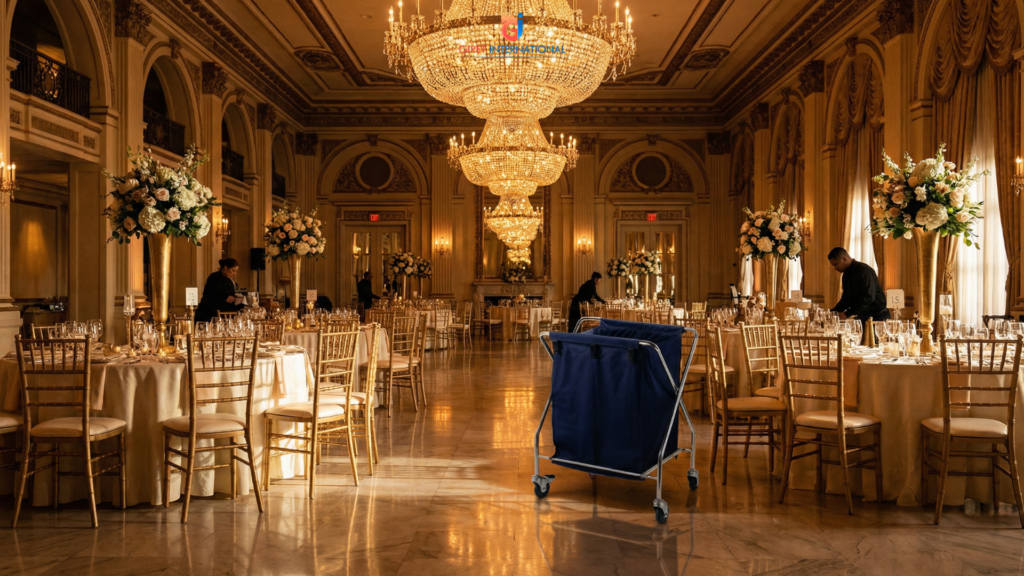
Soiled Linen Trolley and Long-Term Performance Stability
Repeated daily delays can reduce staff morale and increase turnover.
A Soiled Trolley prevents micro-inefficiencies from accumulating into chronic slowdown.
Sustained efficiency supports workforce reliability.
Soiled Linen Trolley as a Turnaround Accelerator
Housekeeping turnaround involves multiple interconnected steps: linen removal, surface cleaning, bed preparation and final inspection.
By optimizing transport alone, a Soiled Linen Trolley accelerates the entire sequence. When linen exits the room quickly, cleaning progresses without pause.
Integrated speed produces measurable improvement.
Final Thoughts
Housekeeping delays rarely result from large-scale failure. They originate from small inefficiencies repeated every day repeated trips, blocked corridors, unpredictable transfer timing.

By implementing a Soiled Linen Trolley, hotels eliminate repetitive transport cycles, prevent congestion, improve laundry coordination and maintain consistent cleaning momentum.
Centralized containment protects time.
Balanced mobility conserves energy.
Structured workflow reduces interruption.
In hospitality operations, true speed is achieved not through rushing but through disciplined systems that remove delay at every stage.
About Giret International
Contact Us
Hospitality Products
Instagram | Facebook | Pinterest | YouTube | X (Twitter)