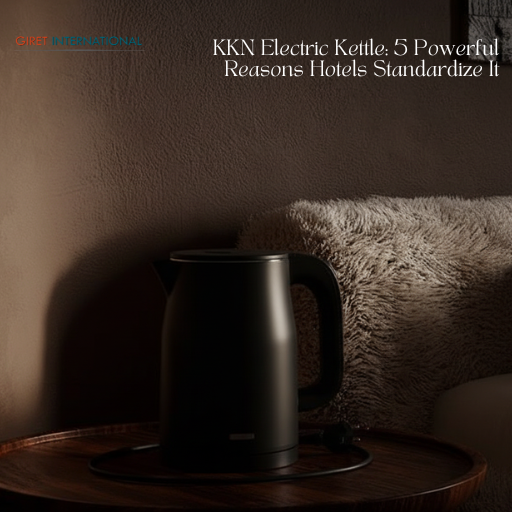
KKN Electric Kettle standardization is not a branding decision for hotels; it is an operational strategy. When hotels choose to standardize one kettle model across rooms, floors, or even properties, the decision is driven by housekeeping efficiency, maintenance predictability, and long-term cost control.
In daily hotel operations, kettles are among the most frequently handled electrical appliances. They are used by guests multiple times a day, checked by housekeeping during every room turnover, and monitored by engineering teams for safety and performance. A non-standard kettle setup creates inconsistency, confusion, and higher operational load.
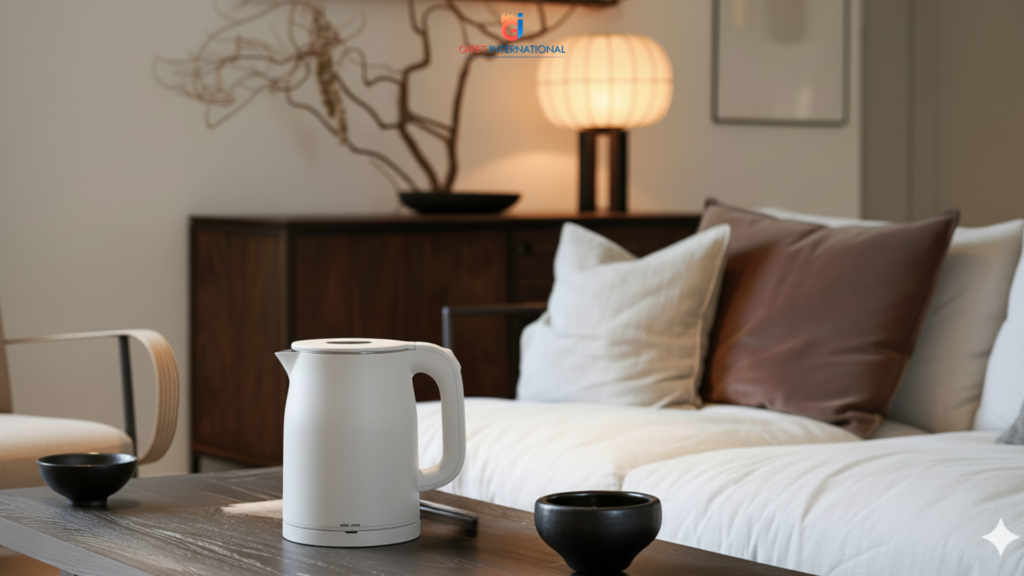
This blog explains five powerful reasons hotels standardize this kettle model, focusing specifically on housekeeping workflows, maintenance efficiency, and operational stability.
Why Hotels Standardize Room Utilities
Hotels function on repetition. Every room follows the same checklist, every floor follows the same SOP, and every staff member works within fixed systems. Standardization reduces decision-making at the operational level, allowing teams to focus on execution instead of adjustment.
When utilities differ from room to room, housekeeping staff must adapt constantly. This increases the chances of mistakes, missed checks, and inconsistent guest experiences.
Standardizing a kettle model removes this friction entirely.
KKN Electric Kettle and Housekeeping Consistency
KKN Electric Kettle supports housekeeping teams by offering a consistent physical structure, predictable placement, and familiar handling. When staff know exactly what they are dealing with in every room, work becomes faster and more accurate.
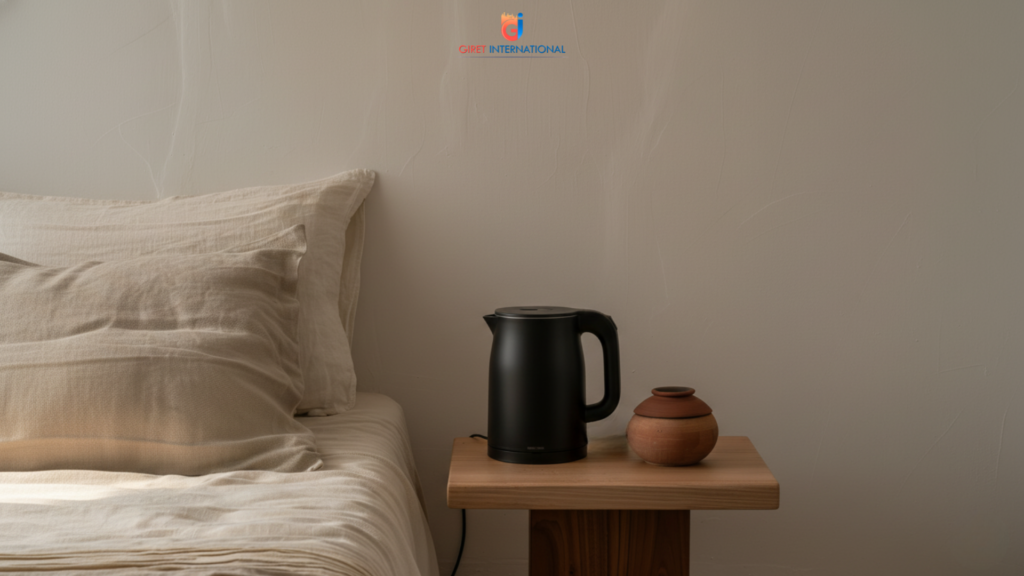
Housekeeping efficiency improves when:
- Cleaning steps remain identical
- Visual inspection points stay the same
- Reset routines are standard
Consistency reduces mental load, especially during high-occupancy days.
KKN Electric Kettle Reason 1:
Uniform Cleaning Procedures
One of the biggest housekeeping challenges is cleaning efficiency. When kettles vary in shape, material, or lid design, cleaning procedures also vary.
With a standardized kettle:
- Interior cleaning steps remain the same
- Exterior wiping takes predictable time
- Scale inspection points are consistent
This uniformity allows supervisors to train staff once and expect consistent results across all rooms.
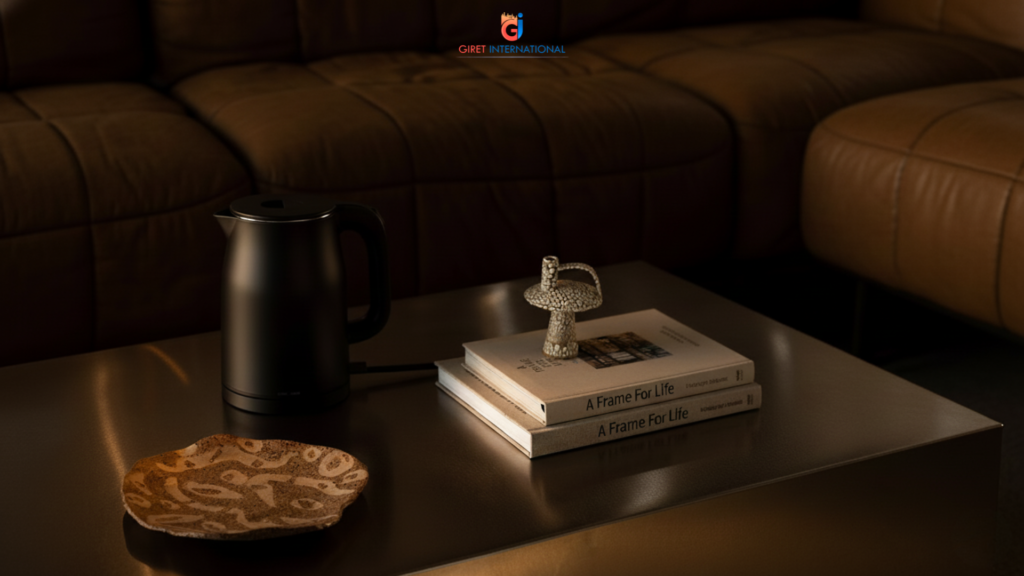
KKN Electric Kettle Reason 2:
Faster Staff Training
Hotels experience regular staff rotation, especially in housekeeping departments. New joiners must be trained quickly to meet operational standards.
KKN Electric Kettle simplifies training because:
- There is no model variation
- Handling instructions remain unchanged
- Safety checks are identical
A single demonstration applies to every room, reducing onboarding time and training fatigue.
KKN Electric Kettle Reason 3: Predictable Maintenance Cycles
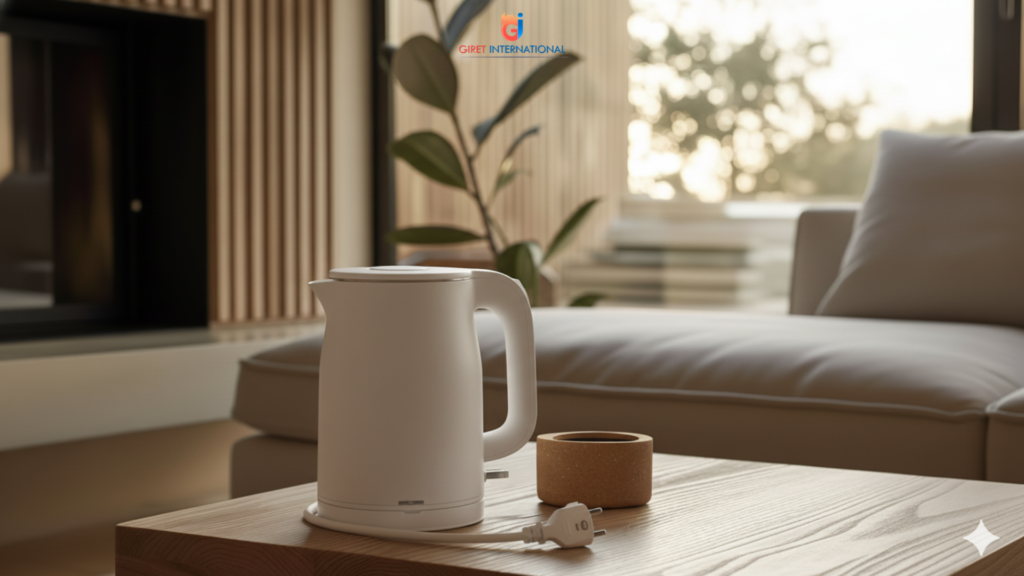
From an engineering perspective, predictability is everything. When multiple kettle models are in use, maintenance teams must remember different fault patterns and replacement needs.
Standardization allows:
- Scheduled inspection routines
- Known wear-and-tear timelines
- Easier fault diagnosis
Engineering teams can stock spare parts confidently and plan maintenance instead of reacting to failures.
KKN Electric Kettle Reason 4: Reduced Replacement Errors
In non-standard setups, replacement mistakes are common. A kettle from one room ends up in another, or an incompatible model is installed during urgent replacements.
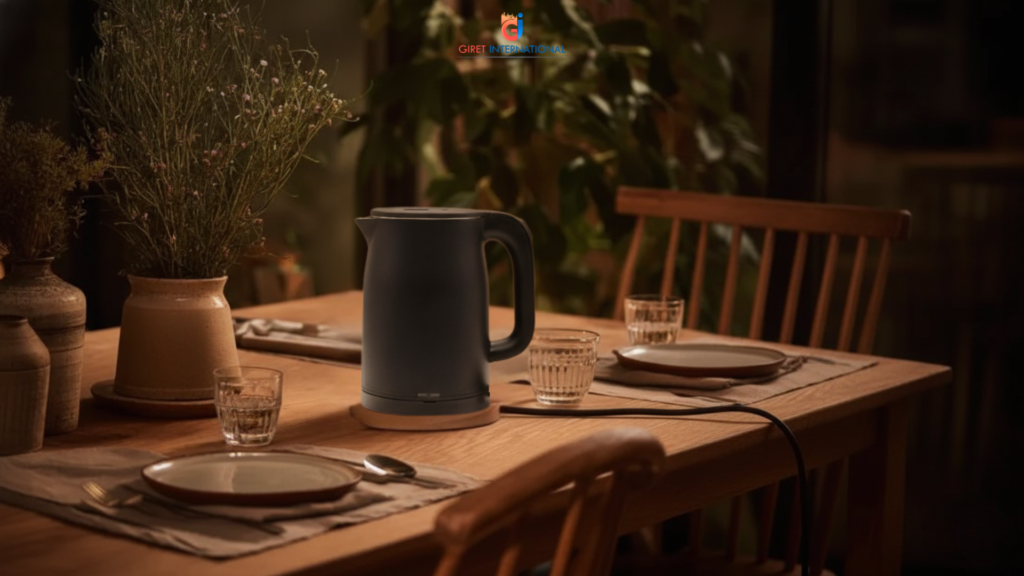
Standardizing eliminates:
- Mismatched replacements
- Power rating confusion
- Visual inconsistency
Every replacement becomes a plug-and-play process, saving time during peak operations.
KKN Electric Kettle Reason 5: Safer Daily Handling
Housekeeping staff handle kettles multiple times daily. Safety during lifting, wiping, refilling, and repositioning is essential.
A standardized kettle ensures:
- Familiar grip points
- Known weight balance
- Consistent cord handling
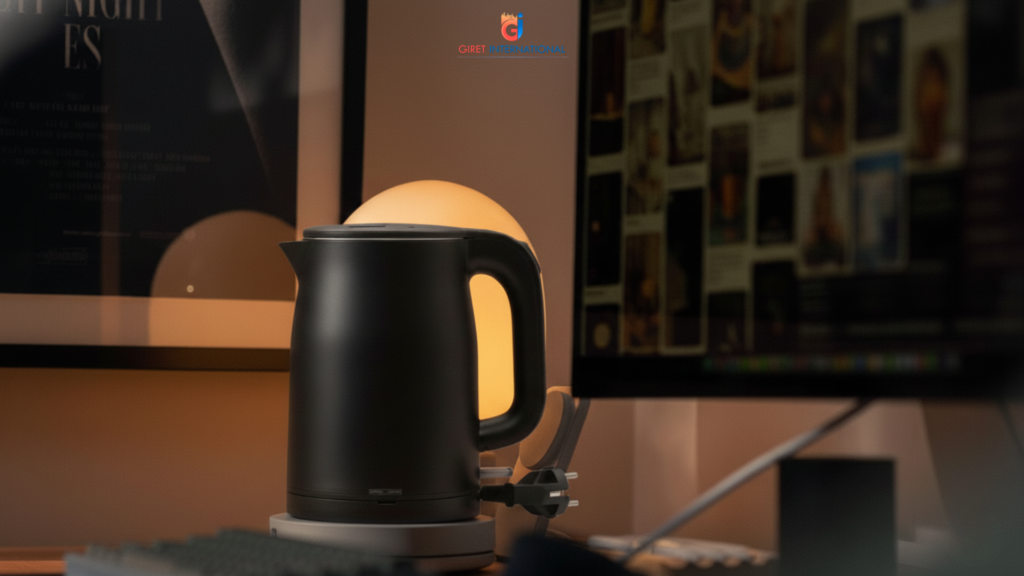
Reduced handling variation lowers the risk of accidents and staff fatigue.
Impact of Standardization on Engineering Teams
Engineering departments benefit greatly from uniform appliances. Troubleshooting becomes easier when all units behave the same way under similar conditions.
Benefits include:
- Faster root-cause analysis
- Consistent safety testing
- Simplified electrical load planning
Engineering logs become cleaner and more actionable.
How Standardization Reduces Long-Term Costs
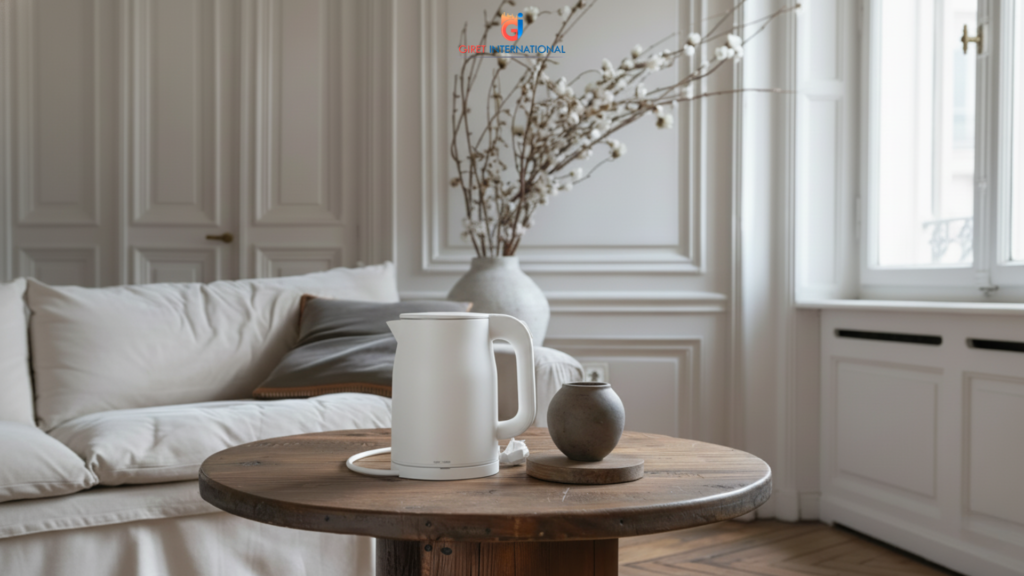
While standardization may seem like a procurement decision, its biggest impact is financial over time.
Cost benefits include:
- Lower training costs
- Reduced maintenance downtime
- Fewer emergency replacements
- Longer appliance lifecycle
Operational savings accumulate quietly but significantly over months and years.
Final Thoughts on Operational Reliability
Hotels that scale successfully focus on systems, not just amenities. Standardizing essential utilities creates a stable foundation for daily operations.
The KKN Electric Kettle fits naturally into this approach by supporting housekeeping efficiency, maintenance predictability, and safety consistency. When staff know exactly what to expect in every room, service quality improves without additional effort.
In hospitality, reliability is built behind the scenes and standardization is one of its strongest tools.

For deeper context on Placement Ideas, you can also explore:
KKN Electric Kettle: 6 Placement Ideas for Rooms
About Giret International
Contact Us
Hospitality Products
Instagram | Facebook | Pinterest | YouTube | X (Twitter)