
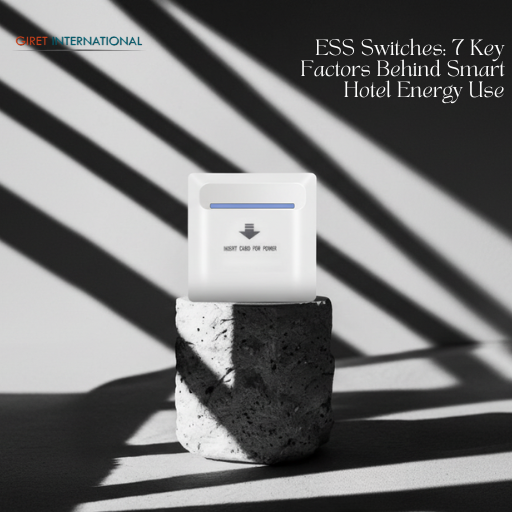
Electricity is one of the most powerful assets in hotel operations, yet it is also one of the most wasted resources. Rising tariffs, evolving sustainability expectations, and the need to maintain comfortable guest experiences are pushing modern hotels toward intelligent solutions that optimize energy automatically. This is where ESS Switches step in, offering hotels the ability to regulate energy efficiently without compromising comfort.
Smart hotels rely on automation because manual energy control is no longer reliable. Guests forget to switch off lights, leave air conditioners running, and plug in appliances that continue drawing current unnecessarily. Fully automated systems eliminate these problems, providing structural control over energy consumption.
To explore related modern improvements, you can refer to:
ESS Switches: 7 Modern Upgrades for Smarter Hotel Energy Flow.
Below are seven key factors that every modern hotel must understand to create smart, disciplined, and sustainable energy usage.
1. ESS Switches and the Factor of Accurate Occupancy Detection
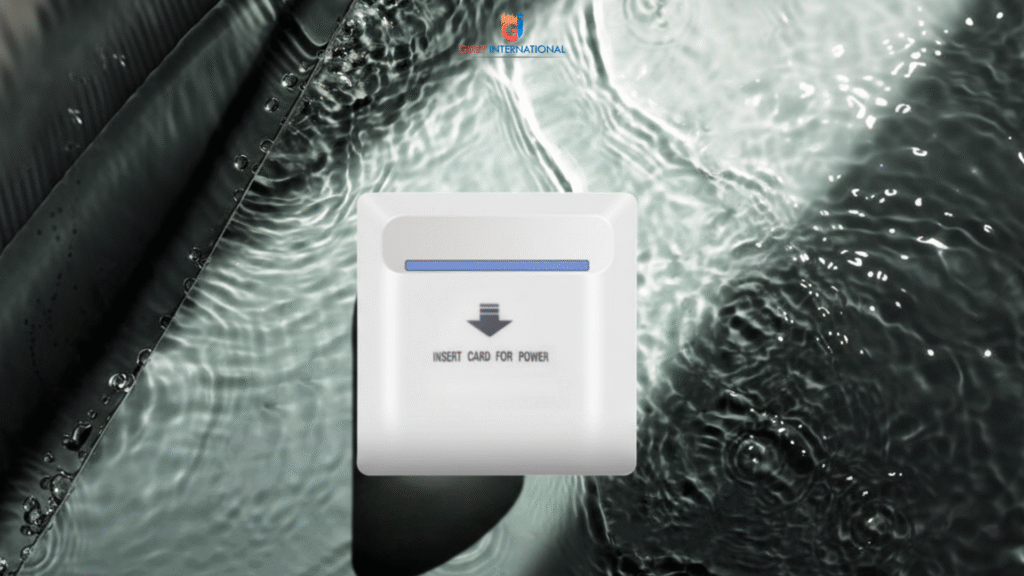
Accurate occupancy detection is the foundation of smart hotel energy usage. Traditional card slots allow guests to insert any card-shaped object to activate power. This leads to massive electricity wastage when rooms are unoccupied.
Automation solves this problem instantly.
With RFID-based validation:
- Only genuine hotel key cards work.
- Electricity turns on only when guests are actually present.
- False occupancy tricks no longer work.
- Lighting and HVAC systems behave consistently.
This ensures that energy usage aligns perfectly with real room occupancy, not guest manipulation.
Hotels eliminate unauthorized energy consumption the moment they install ESS Switches, ensuring power follows true occupancy.

For further optimization strategies, you can explore:
ESS Switches: 6 Pro-Level Ways to Cut Hotel Electricity Waste.
2. ESS Switches and the Factor of Controlled HVAC Operation
Air conditioning contributes to the majority of a hotel’s electricity consumption. Without automation, guests often leave the room with the AC still running. This not only consumes valuable energy but also reduces the lifespan of expensive HVAC systems.
The key factor here is timed power deactivation.
When a guest removes the key card:
- The system triggers a 20–30 second delay.
- AC turns off automatically afterward.
- The compressor gets proper rest cycles.
- Energy waste decreases dramatically.
Hotels benefit from lower electricity bills and longer-lasting cooling equipment.
Cooling cycles become efficient when ESS Switches manage HVAC shutoff based on verified room exit.
Insights on advanced usage can be found in:
ESS Switches: 5 Elite Tactics to Upgrade Hotel Energy Use.
3. ESS Switches and the Factor of Automated Lighting Control
Lighting is another major area where hotels lose electricity unnecessarily. Guests regularly leave all lights switched on when they step out, especially in multi-lighting hotel rooms.
Automated lighting control changes this completely.
When the card is removed:
- All nonessential lights shut off.
- The room enters an optimized power-down state.
- Housekeeping finds rooms in a uniform condition.
- Bulb lifespan increases due to lower runtime.
This contributes to consistent energy usage patterns across all rooms.
Hotels standardize lighting behavior effortlessly when ESS Switches govern illumination based on guest entry and exit.
More lighting-related power strategies are available in:
ESS Switches: 8 Premium Ways to Transform Hotel Energy Saving.
4. ESS Switches and the Factor of Electrical Safety
Electrical safety is a critical concern in hotel operations. Guests unknowingly leave appliances plugged in kettles, chargers, irons, grooming tools all of which consume current and pose a risk when unattended.
The key factor here is automated disconnection.
When the power shuts off after exit:
- No device remains powered.
- Overheating risks drop significantly.
- Circuit overloads become rare.
- Hotel equipment lasts longer.

This makes rooms safer and reduces the chance of electrical incidents.
Rooms become safer instantly when ESS Switches ensure no appliance stays powered during guest absence.
To discover more common mistakes hotels make, consider:
ESS Switches: 7 Hotel Energy Errors You Can Easily Eliminate.
5. ESS Switches and the Factor of Smart-Room Integration
Modern hotels depend heavily on smart panels and digital interfaces:
- DND/MUR touch panels
- Glass switches
- Doorbell automation
- Integrated lighting panels
These systems require stable energy logic to function correctly. Without controlled power flow, smart-room devices malfunction, delay, or fail entirely.
The fifth factor ensures seamless integration.
Automation provides:
- Stable power signals
- Reduced device malfunctions
- Cleaner wiring structure
- Enhanced guest experience
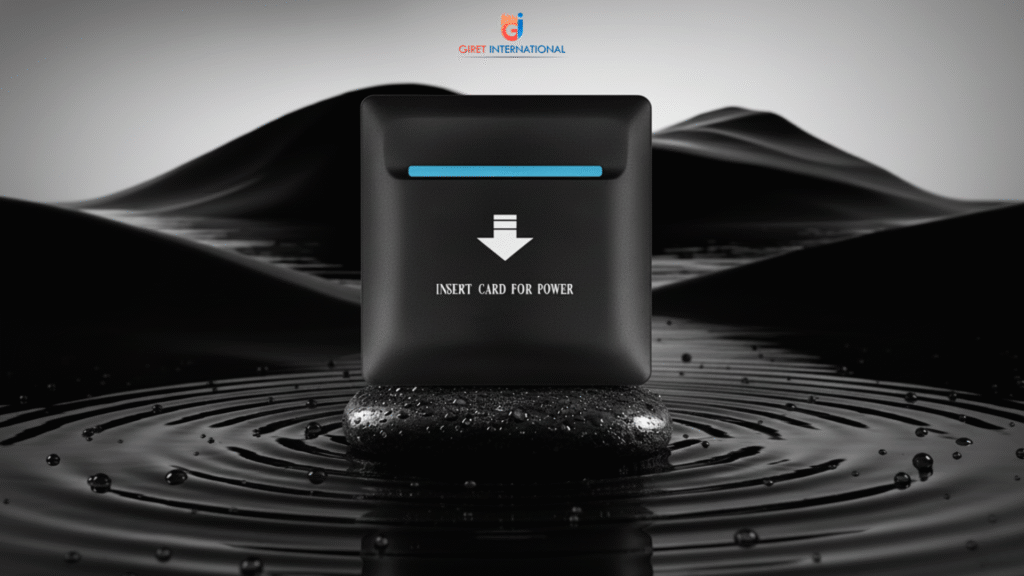
Hotels with smart-room features rely on automated energy control for smooth performance.
Smart-room systems perform more reliably when ESS Switches regulate the foundation of all electrical activity.
Learn more in:
ESS Switches: 6 Expert Ways to Improve Hotel Energy Flow.
6. ESS Switches and the Factor of Predictable Floor-Wide Energy Patterns
Hotels operate across multiple floors, wings, and room types. Without automation, energy consumption patterns vary dramatically depending on guest behavior, making audits and budgets unpredictable.
Automation fixes this through uniformity.
With controlled energy logic:
- All rooms follow identical behavior.
- Energy flow becomes measurable across floors.
- Engineering teams enjoy predictable maintenance cycles.
- Budget planning becomes more accurate.
This predictability is essential for cost-effective hotel management.
Engineering teams gain clearer insights into consumption trends when ESS Switches enforce identical power behavior in every room.
7. ESS Switches and the Factor of Sustainability Alignment
Sustainability is now a core requirement in the global hospitality industry. Guests prefer eco-friendly hotels, businesses choose sustainable partners, and global travel platforms promote responsible properties.
Automation directly supports sustainability.
Hotels benefit from:
- Reduced carbon footprint
- Lower energy wastage
- Better green ratings
- Long-term operational efficiency
This factor helps hotels meet modern sustainability standards while maintaining comfort.
Eco-focused properties benefit significantly when ESS Switches help reduce unnecessary power usage at scale.
Final Integration: Why These 7 Factors Matter
When these seven factors combine, hotels experience significant improvements in electricity usage, maintenance performance, operational stability, and guest satisfaction. Smart energy control is no longer a luxury it is a necessity.
Automation transforms hotel operations by ensuring:
- Power flows only when needed
- Energy waste is eliminated
- Equipment lasts longer
- Guests enjoy a smoother experience
- Sustainability goals are met naturally
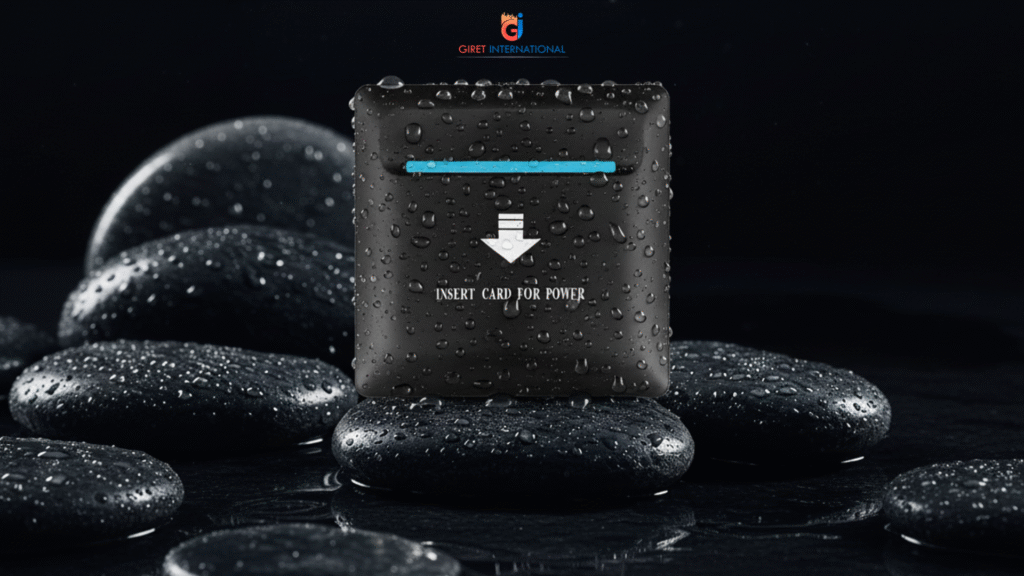
Together, these factors make ESS Switches essential tools for modern hotels seeking smarter, more efficient operations.
Why Hotels Rely on Giret International for Energy Automation
Giret International provides hotels with:
- Premium RFID-based switches
- Tempered glass and PC body materials
- 40A switching capability
- Customizable combo panels
- Smooth delayed power cutoff
- Long-lasting durability
These systems support hotels across categories from boutique stays to large business properties in achieving superior automation and energy control.
About Giret International
Contact Us
Hospitality Products
Instagram | Facebook | Pinterest | YouTube | X (Twitter)