
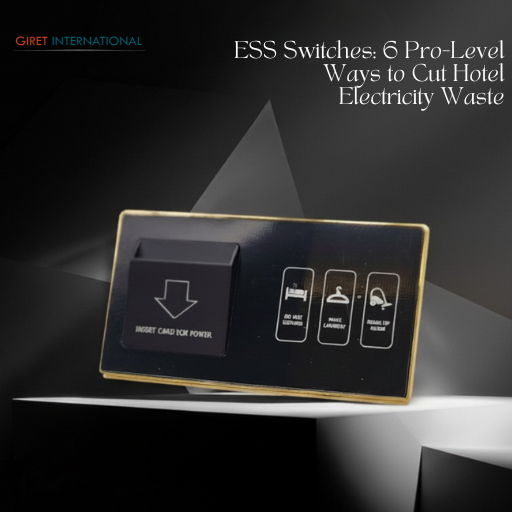
Hotels around the world are facing rising electricity costs, evolving sustainability expectations, and a growing demand for automated experiences from guests. In this landscape, modern energy-saving solutions have become essential not optional. ESS Switches represent one of the most effective technologies for cutting electricity waste while maintaining complete comfort inside hotel rooms.
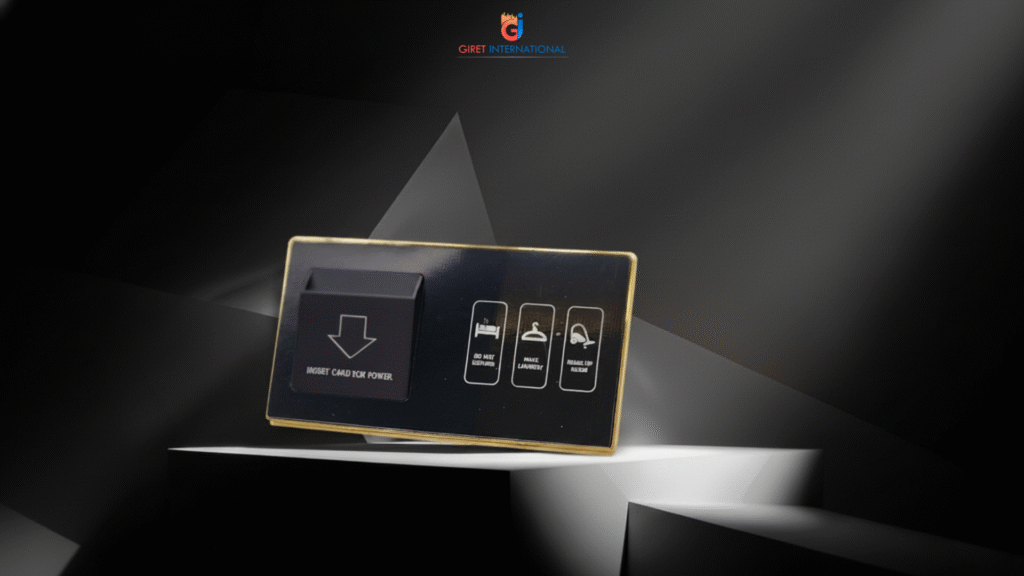
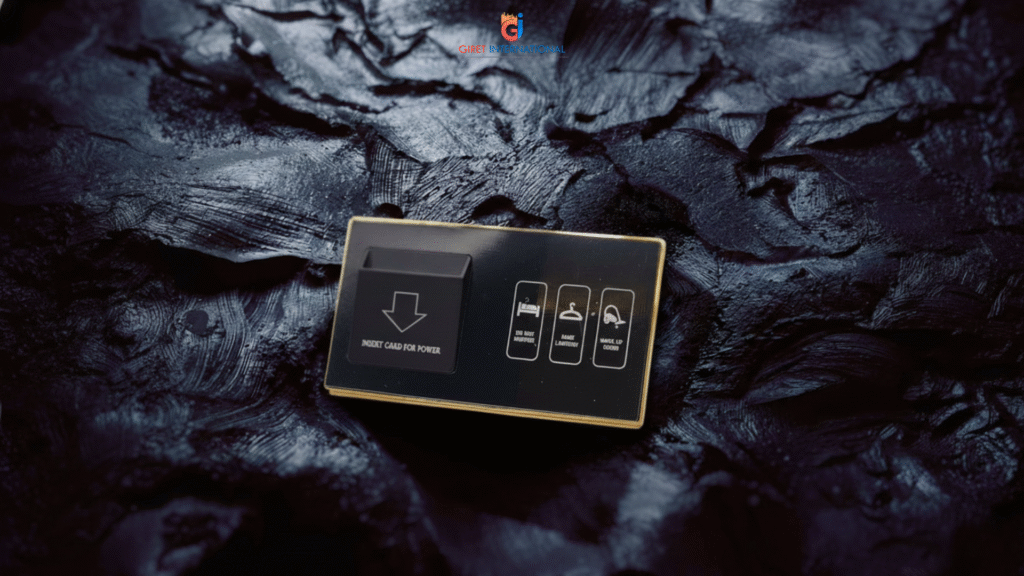
These automated, RFID-based switches are designed to activate room power only when an authenticated hotel key card is inserted. Once the guest leaves, power shuts off after a brief, programmed delay, ensuring that no electricity is wasted. This small, precise mechanism transforms the way hotels manage lighting, HVAC systems, and electrical appliances.
This detailed guide explores six pro-level methods through which advanced automation reduces electricity consumption, streamlines hotel operations, and strengthens long-term sustainability goals.
For more ideas related to energy optimization, you can visit this internal resource: ESS Switches: 7 Proven Methods to Lower Hotel Energy Waste.
1. ESS Switches and Pro-Level Occupancy Intelligence
The single largest cause of electricity waste in hotels is active power running in empty rooms. Traditional mechanical slots allow guests to insert any card, paper, or object to keep power flowing, even when they are not present. This creates uncontrolled consumption patterns and significant financial losses.
By upgrading to automated occupancy intelligence, hotels ensure that electricity flows only when verified room key cards are inserted. This prevents unauthorized activation and eliminates false occupancy signals entirely.
Hotels using this technique benefit from:
- Consistent power cycles
- Stable room energy patterns
- Reduced idle consumption
- Lower floor-wide waste
This foundational approach dramatically reduces unnecessary runtime for lighting and HVAC systems and sets the tone for deeper energy governance.
With ESS Switches, hotels create a controlled energy ecosystem where power aligns with genuine occupancy.

For additional eco-friendly ideas, explore:
ESS Switches: 8 Smart Improvements for Modern Eco-Hotels.
2. ESS Switches and Pro-Level HVAC Efficiency Control
HVAC systems consume more electricity than all other room appliances combined. Guests frequently leave air conditioners or heaters running when they step outside for meals, meetings, or tours. Without automation, hotels have no practical way to regulate this behavior.
Automated systems solve this by shutting down power after the key card is removed. This precise timing prevents HVAC units from continuing to run during guest absence, saving thousands of units of electricity per month in medium to large hotels.
Key advantages include:
- Reduced compressor load
- Longer equipment lifespan
- Predictable energy cycles
- Reduced peak load issues
Optimizing HVAC runtime is one of the highest-impact strategies hotels can implement.
Hotels significantly reduce their cooling-related expenses when ESS Switches regulate HVAC usage according to occupancy.
For more sustainability insights, check:
ESS Switches: 6 Essential Ways to Boost Hotel Sustainability.
3. ESS Switches and Pro-Level Lighting Automation
Lighting misuse is common in hotels guests leave multiple lights ON before heading out, housekeeping discovers illuminated rooms after guests depart, and night-time lighting often remains active for hours without actual use.
Automated power control ensures that all non-essential lights turn off the moment the switch deactivates. This improves electrical discipline across every room type, from budget rooms to luxury suites.
Lighting automation provides:
- Reduced electricity bills
- Lower maintenance costs
- Longer bulb lifespan
- Greater predictability for auditing
As hotels grow in room count, this consistent management becomes even more valuable.
Automated lighting control becomes reliable and uniform when ESS Switches handle activation and deactivation.
You may explore this topic further:
ESS Switches: 10 Proven Tactics for Greener Hotels.
4. ESS Switches and Pro-Level Electrical Safety Management
Electrical appliances such as travel kettles, grooming tools, irons, and chargers can cause overheating or safety issues when left unattended. Many guests unintentionally leave these devices plugged in, putting additional strain on room circuits.
Automated shutoff ensures that when a guest exits the room, all power ceases protecting wiring, appliances, and the overall electrical ecosystem.
Safety benefits include:
- Reduced fire hazards
- Protection from circuit overload
- Minimization of socket damage
- Stable electrical performance
This provides hotels with peace of mind, especially during high occupancy seasons when unattended appliances are more likely to cause hazards.

By using ESS Switches, hotels eliminate the risk of guests unintentionally leaving high-consumption devices operating.
Continue learning through:
ESS Switches: 7 Smart Ways to Reduce Hotel Power Waste.
5. ESS Switches and Pro-Level Smart Room Integration
Modern hotels rely heavily on integrated digital systems such as DND/MUR panels, touch-enabled glass switches, and automation-driven guest experiences. These systems function flawlessly only when paired with stable, centralized electrical governance.
When incorporated with premium combo panels, automated energy systems ensure that every in-room function aligns with occupancy. This creates an intuitive and seamless guest experience.
Pro-level integration brings:
- Superior guest comfort
- Reduced equipment malfunction
- Cleaner design aesthetics
- Simpler wiring structure
Hotels focusing on luxury or tech-forward branding benefit extensively from automated integration.
Hotels achieve smoother automation in premium rooms when ESS Switches serve as the core energy control unit.

You can also explore:
ESS Switches: 9 Critical Upgrades for Hotel Efficiency.
6. ESS Switches and Pro-Level Electricity Governance Across Floors
Large hotels face complex energy management challenges. With dozens or hundreds of rooms, tracking consumption patterns manually is nearly impossible. Automation brings systematic shutdown processes, unified behavior across rooms, and predictable energy output across all floors.
Benefits include:
- Floor-wide stability
- Reduced operational strain
- Easier energy audits
- Better long-term planning
This is especially impactful for hotels aiming for sustainability certifications or cost reduction targets.
Energy governance becomes structured, reliable, and measurable when ESS Switches create uniform power behavior across multiple floors.
Why These Pro-Level Tactics Matter for Modern Hotels
Electricity remains one of the highest operational expenses in hospitality. Automation ensures hotels never pay for power they didn’t actually need. Beyond financial benefits, these tactics also improve:
- Guest satisfaction
- Sustainability reputation
- Safety profiling
- Equipment durability
- Staff efficiency
Hotels adopting these measures gain measurable improvements within weeks and long-term savings across years.
Why Hotels Prefer Giret International Solutions
Giret International offers advanced energy control systems built with:
- High-grade PC and tempered glass
- RFID Mifare-only activation
- 40A load support
- 20–30 second auto power-off
- Premium combo panel compatibility
- Sleek modern design aesthetics
Their solutions support hotels, resorts, clubs, and villas in optimizing power usage without compromising guest comfort.
Final Thoughts: Pro-Level Electricity Savings Begin With Automation

Electricity waste is not caused by guests it’s caused by systems that fail to regulate usage effectively. Automated solutions transform this by aligning power usage with occupancy, reducing burden on HVAC units, supporting sustainable operations, and creating predictable room behavior.
With automation, hotels move toward a smarter, more efficient future where sustainability and guest comfort exist together seamlessly.
About Giret International
Contact Us
Hospitality Products
Instagram | Facebook | Pinterest | YouTube | X (Twitter)