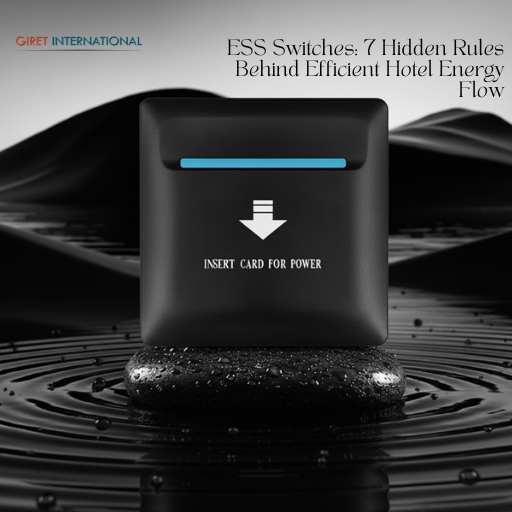
Modern hotels are entering a new era where energy flow must be intelligent, disciplined, and automated. Rising electricity costs, evolving sustainability demands, and increasing guest expectations have forced hotels to rethink how power moves through each room. At the core of this new efficiency lies a technology that looks simple but transforms everything: ESS Switches.
These automated switches ensure energy flows only when it should during real occupancy. Through RFID-validated activation, delayed power shutdown, and seamless integration with modern hotel systems, they have become the backbone of efficient room automation.
In this detailed guide, we uncover 7 hidden rules that every modern hotel must understand to unleash the full power of smart energy management.

If you want more insights on smart upgrades, you can check this internal guide: ESS Switches: 7 Modern Upgrades for Smarter Hotel Energy Flow.
1. ESS Switches Follow the Rule of Authentic Occupancy Activation
Hotels worldwide struggle with a common problem: guests use any random object credit cards, visiting cards, plastic cards to activate room power. This bypasses the purpose of energy management and leads to hours of waste when rooms stay empty.
The hidden rule is simple but powerful:
Electricity should activate only with verified occupancy.
Automated systems ensure:
- Only Mifare-enabled room cards work
- Power responds to real presence
- No bypass tricks succeed
- Every room follows the same activation logic
This rule eliminates the leak that drains the most energy in modern hotels.
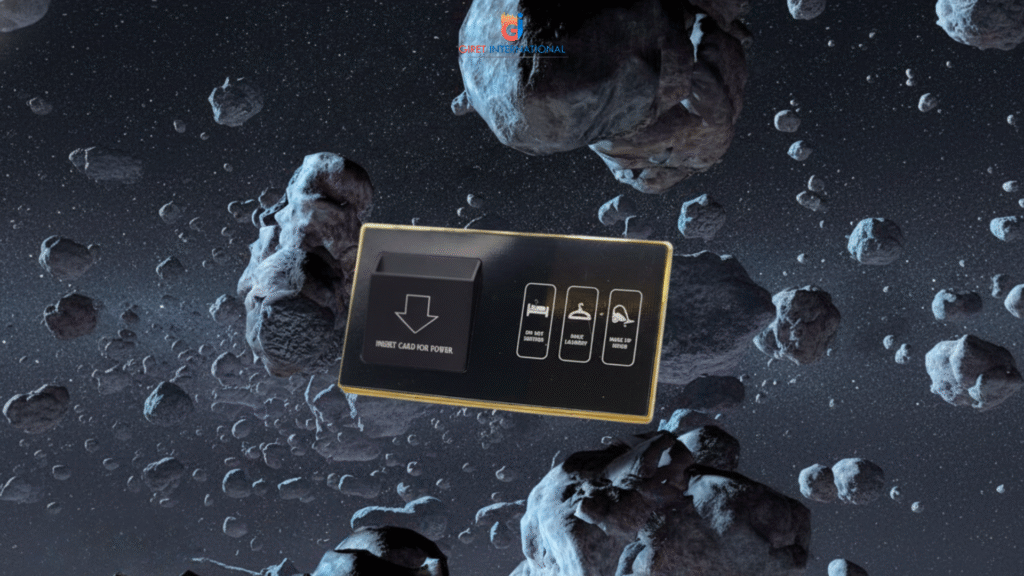
Hotels restore true occupancy-driven energy usage the moment they install ESS Switches, because power follows presence, not guesswork.
You can also read:
ESS Switches: 6 Pro-Level Ways to Cut Hotel Electricity Waste.
2. ESS Switches Apply the Rule of Timed HVAC Shutdown
Air conditioners and heaters contribute to the majority of a hotel’s electricity bill. Without automation, guests walk out for hours with the AC still running. This burns electricity, overworks compressors, and leads to premature equipment failure.
The hidden rule hotels must follow:
Always give HVAC systems a timed, safe shutdown after exit.
Timed delay ensures:
- Guests exit comfortably
- ACs don’t cool empty rooms
- Equipment gets rest cycles
- Energy consumption stays controlled
Large hotels save lakhs annually with this single rule.

Cooling cycles become efficient and predictable when ESS Switches control the timing of HVAC shutoff.
You can explore more about energy excellence here :
ESS Switches: 5 Elite Tactics to Upgrade Hotel Energy Use.
3. ESS Switches Enforce the Rule of Zero-Waste Lighting Behavior
Lighting may look like a small contributor, but across hundreds of rooms, it becomes a large and constant drain. Guests rarely turn off lights before leaving.
This leads to the third hidden rule:
Lighting should never stay ON in an empty room.
With automated systems:
- All unnecessary bulbs turn off
- Housekeeping finds rooms in a clean power state
- Lighting patterns stay consistent
- Bulb lifespan increases dramatically
This rule stabilizes hotel energy flow and maintenance cycles.
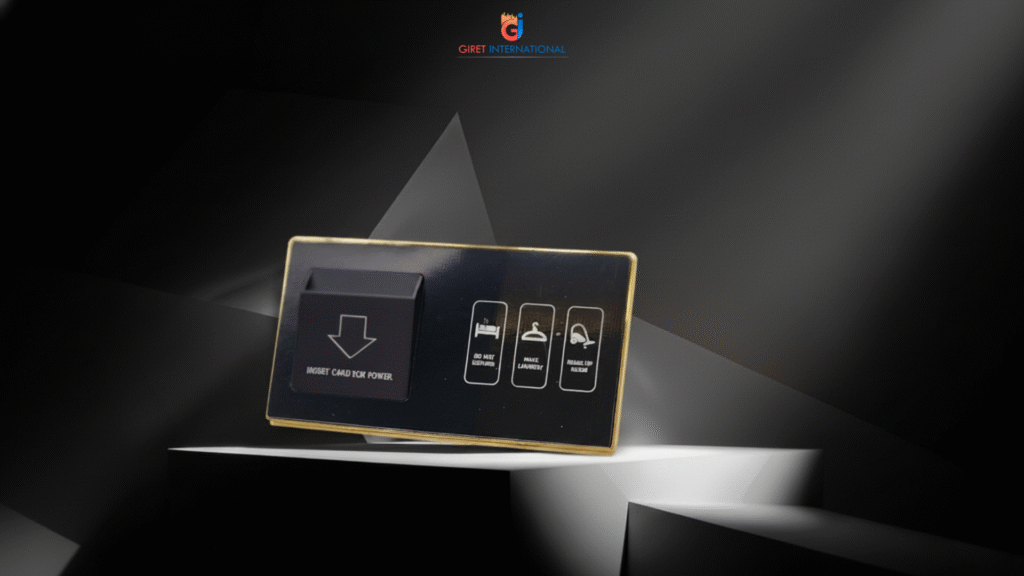
With ESS Switches, lighting responds instantly to exit behavior, eliminating hours of silent waste.
For related reading, check:
ESS Switches: 8 Premium Ways to Transform Hotel Energy Saving.
4. ESS Switches Activate the Rule of Safe Electrical Disconnection
Guests often leave items plugged in irons, kettles, chargers, grooming tools which can overheat or create electrical hazards. An empty room with active appliances becomes a silent threat.
The hidden rule here:
Power must disconnect fully when no guest is present.
Automated shutdown protects:
- Sockets from overload
- Devices from overheating
- Rooms from electrical fires
- Hotels from avoidable repair costs
Hotels achieve a far safer electrical environment when automation governs room energy.

Electrical accidents reduce drastically once ESS Switches enforce controlled energy shutoff at every checkout moment.
You can also explore:
ESS Switches: 7 Hotel Energy Errors You Can Easily Eliminate.
5. ESS Switches Maintain the Rule of Smart Panel Synchronization
Modern hotels use many smart components:
- Touch-enabled switches
- DND/MUR glass panels
- Digital bells
- Automation-driven interfaces
But none of these work reliably if the energy flow behind them isn’t consistent. That’s where the fifth hidden rule comes in:
All smart panels must synchronize with a central energy control.
Automated switches enable:
- Cleaner wiring
- Fewer system glitches
- Longer hardware life
- A premium, intuitive guest experience

This rule is key for hotels that rely on digital room aesthetics.
Smart room systems function more reliably when ESS Switches provide stable, predictable electrical logic.
For more insights, check:
ESS Switches: 6 Expert Ways to Improve Hotel Energy Flow.
6. ESS Switches Implement the Rule of Predictable Floor-Wide Energy Flow
Hotels with 5, 10, or even 15 floors cannot manage electricity room by room. They need predictable energy behavior across the entire property.
This brings us to the sixth hidden rule:
Every room must follow identical energy behavior patterns.
Automation ensures:
- All rooms shut down the same way
- Floor-wise energy spikes disappear
- Audits become easier
- Power usage becomes predictable

Engineers gain clear insights into consumption trends when ESS Switches standardize power performance across floors.
Predictability is gold in hotel operations and automation makes it possible.
7. ESS Switches Reinforce the Rule of Sustainable Hotel Operation
Sustainability is not optional anymore travelers expect it, governments promote it, and global energy standards demand it. Hotels that fail to adopt responsible power practices risk falling behind.
The final hidden rule:
Sustainability must be built into every energy decision.
Automated solutions help hotels cut:
- Carbon footprint
- Unnecessary power hours
- Equipment strain
- Operational waste
Eco-friendly hotels perform better in today’s market, and ESS Switches help them deliver sustainable operational efficiency naturally.
They also support green certifications, eco-ratings, and long-term cost reduction.
Why These Hidden Rules Matter
Hotels run on thin margins, and electricity is often one of their biggest controllable expenses. When a hotel finally understands and applies these seven rules, it experiences:
- Lower monthly electricity bills
- Safer in-room environments
- Less wear on HVAC and lighting
- Higher guest satisfaction
- Smoother audits and engineering operations
- Better sustainability identity
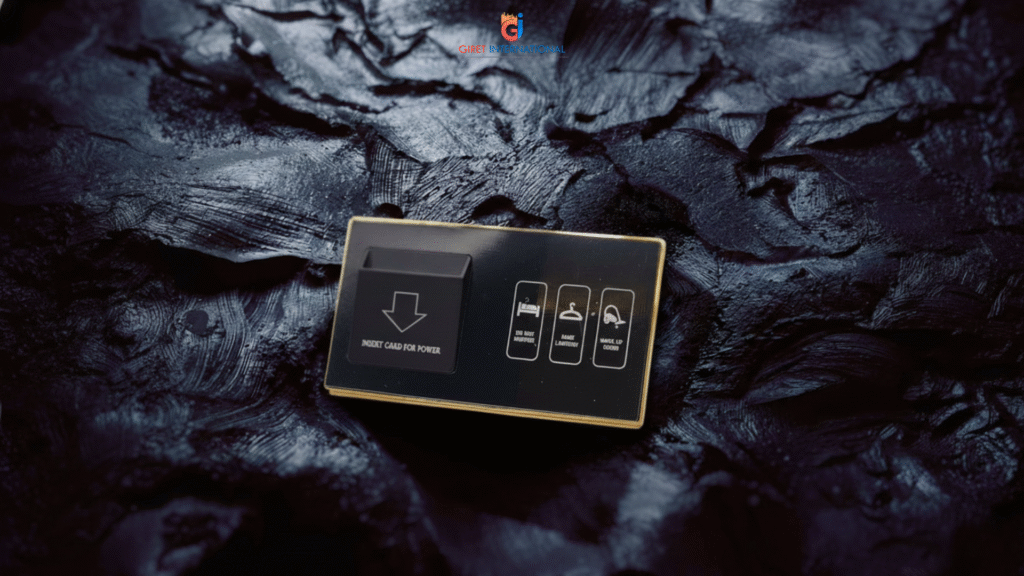
These rules form the blueprint for smart, future-ready hotel operations.
When these hidden rules come together, ESS Switches become the core technology that powers modern, efficient hotels.
Why Hotels Prefer Giret International Solutions
Giret International provides premium automation products designed specifically for hotels, including:
- Tempered glass & PC body ESS models
- Mifare-only key card activation
- 40A switching support
- 20–30 second delay timing
- Durable, modern designs
- Full compatibility with combo panels
These systems offer longevity, precision, and luxury, making them ideal for hotels across categories from boutique properties to large business chains.
Final Thoughts
Efficient hotel energy flow is not achieved by chance it is achieved through rules. Smart rules. Consistent rules. Automated rules. These seven hidden principles show exactly how modern properties take back control of their energy ecosystem.
When hotels adopt automation-driven energy control, they don’t just save money they elevate guest experience, reduce operational pressure, and build a sustainable future.
About Giret International
Contact Us
Hospitality Products
Instagram | Facebook | Pinterest | YouTube | X (Twitter)