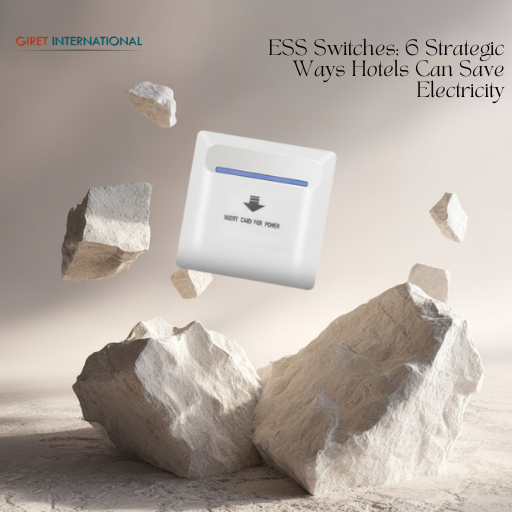
Electricity is one of the largest operational expenses for hotels. With rising tariffs, increasing maintenance costs, and the pressure to meet sustainability standards, modern hotels can no longer rely on traditional power management methods. They need automation precise, predictable, and efficient. This is where ESS Switches provide a powerful advantage, enabling automated energy control that directly reduces waste and strengthens operational discipline.
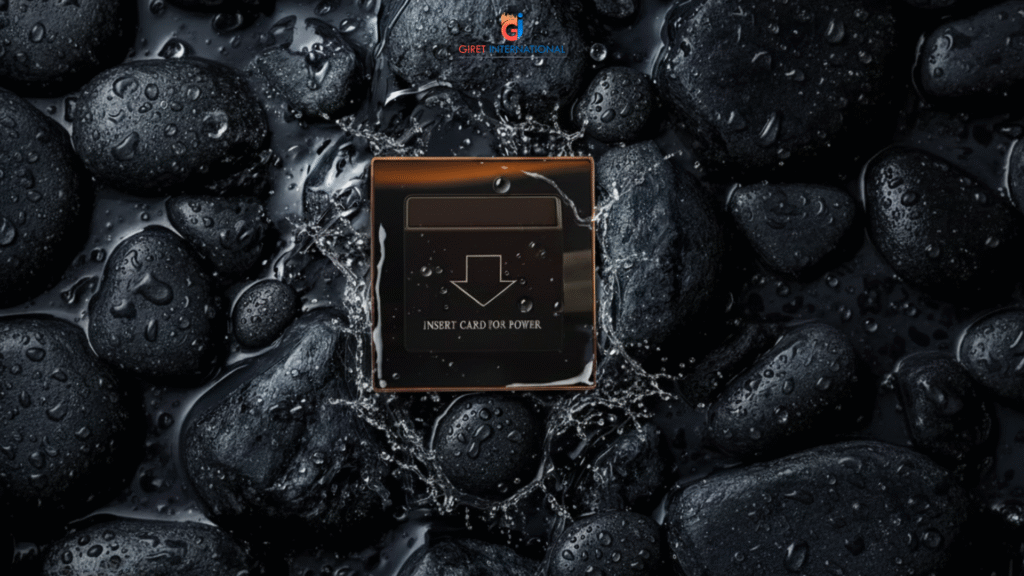
These RFID-based systems ensure that lights, HVAC units, and electrical appliances operate only when a guest is physically inside the room. When the guest leaves, the power shuts off after a short delay, maintaining comfort while eliminating unnecessary electricity usage. The result? A smarter, cleaner, and more efficient hotel environment.
If you’re looking for more insights on energy upgrades, you can explore this internal guide:
ESS Switches: 7 Modern Upgrades for Smarter Hotel Energy Flow.
Below, we explore six strategic ways automated systems transform the way hotels consume electricity.
1. ESS Switches and Strategic Occupancy-Based Electricity Control
Hotels suffer significant electricity waste due to unauthorized activation of room power. Guests often insert random items business cards, plastic cards, cardboard pieces to bypass traditional card slots. This leads to hours of HVAC and lighting usage when rooms are completely empty.
The first strategic benefit lies in enforcing authentic occupancy-based activation, where only hotel-issued RFID key cards can activate power.
With this system in place, hotels immediately gain:
- Accurate occupancy detection
- Elimination of energy misuse
- Consistent room behavior
- Reduced housekeeping intervention
This becomes the foundation of disciplined energy usage because rooms stop consuming power based on guesswork or guest manipulation.
Once hotels begin using ESS Switches, they stop losing electricity to unauthorized card tricks that keep rooms powered unnecessarily.
For further insights into electricity optimization, see:
ESS Switches: 6 Pro-Level Ways to Cut Hotel Electricity Waste.
2. ESS Switches and Strategic HVAC Runtime Reduction
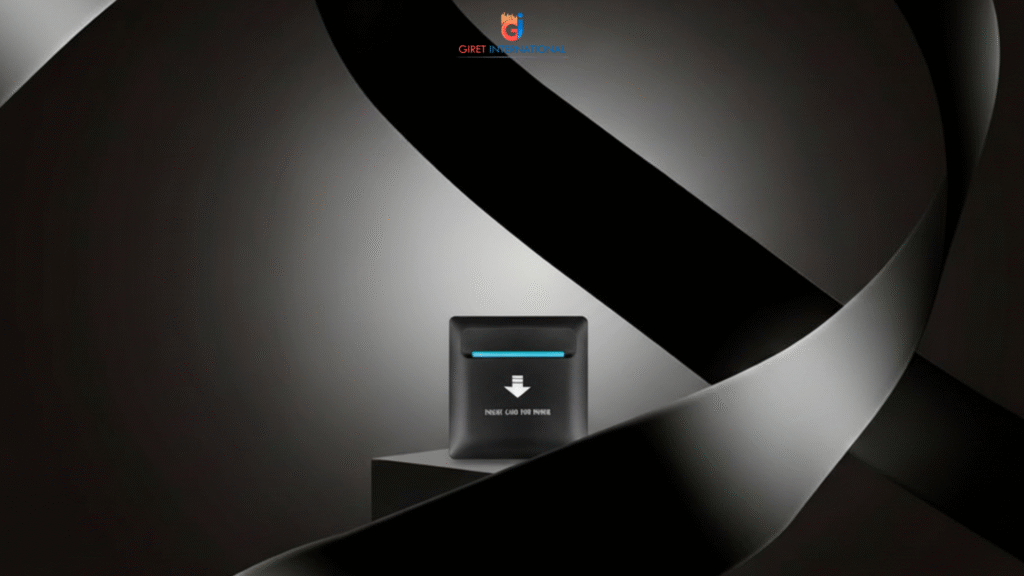
Air conditioners are responsible for the largest chunk of hotel electricity bills often up to 60% in warm climates. Without automation, ACs frequently continue running when guests leave their rooms. This results in:
- Excessive energy consumption
- Shortened compressor lifespan
- Higher electricity bills
- Inconsistent room temperature
The strategic solution lies in timed HVAC shutoff. Automated systems ensure that HVAC units stop after a controlled delay once the guest exits.
Benefits include:
- More predictable room cooling cycles
- Reduced strain on compressors
- Lower maintenance requirements
- Significant monthly cost savings
This approach not only reduces waste but also contributes to long-term equipment health.
Hotels dramatically cut cooling costs when ESS Switches manage how long HVAC systems stay operational after guest exit.
For more performance-focused strategies, refer to:
ESS Switches: 5 Elite Tactics to Upgrade Hotel Energy Use.
3. ESS Switches and Strategic Lighting Automation
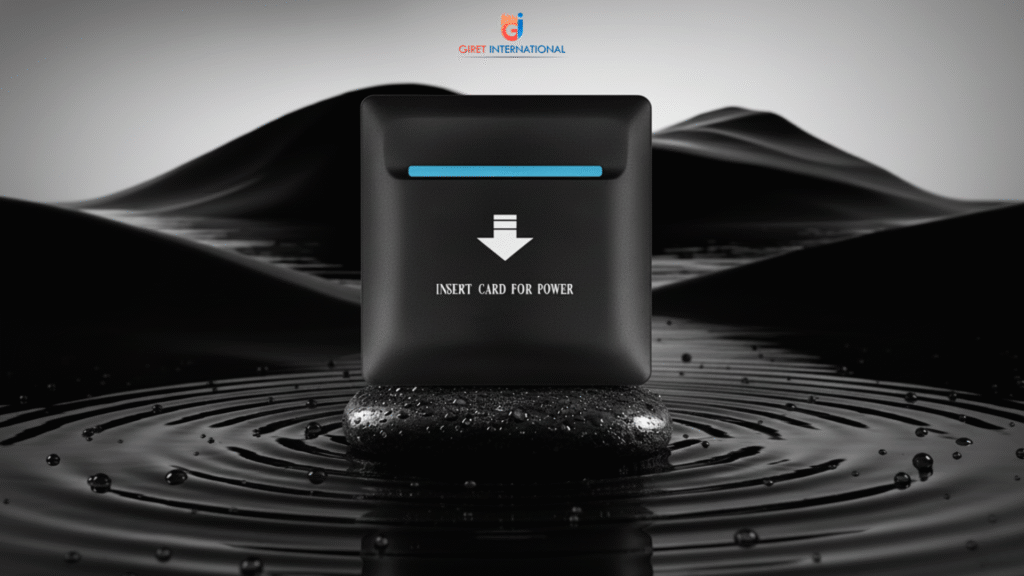
Lighting consumption may seem small in comparison to HVAC use, but across hundreds of rooms, it becomes a substantial portion of total electricity cost. Guests routinely leave lights on sometimes all of them when stepping out.
Strategic lighting automation ensures:
- Automatic light shutoff after card removal
- Reduced housekeeping effort
- Longer bulb lifespan
- Uniform lighting patterns across floors
This creates a controlled environment where lighting becomes predictable rather than random.
Hotels using automated lighting save thousands of units annually.
Hotels that rely on ESS Switches for lighting automation enjoy consistent reductions in unnecessary illumination usage.
To explore deeper energy-saving insights, read:
ESS Switches: 8 Premium Ways to Transform Hotel Energy Saving.
4. ESS Switches and Strategic Electrical Load Safety
In modern hotel operations, safety is just as important as energy savings. Guests leave many devices plugged in chargers, kettles, irons, grooming tools which continue drawing current even when not in active use.
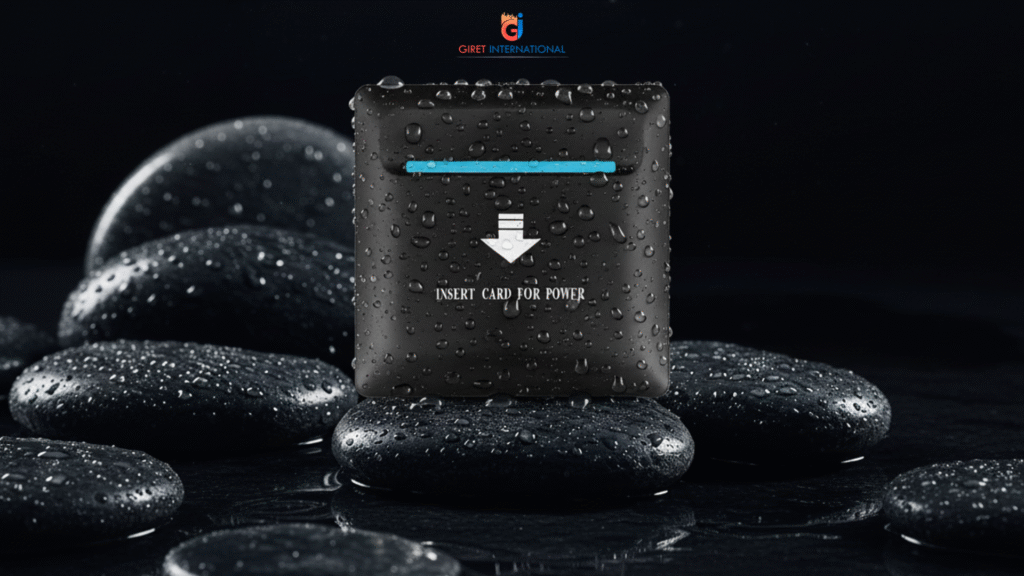
This creates risks such as:
- Overheating
- Circuit overload
- Socket damage
- Fire hazards
The strategic solution is automated power cutoff the moment a guest exits the room. This eliminates the possibility of unattended devices remaining active.
Hotels benefit from:
- Safer electrical infrastructure
- Lower equipment maintenance
- Reduced fire incidents
- Improved operational safety
This approach is particularly critical in high-occupancy seasons.
Rooms automatically become safer when ESS Switches prevent unattended appliances from drawing power.
For more operational safety insights, refer to:
ESS Switches: 7 Hotel Energy Errors You Can Easily Eliminate.
5. ESS Switches and Strategic Smart-Room Integration
Hotels are increasingly adopting smart technologies to enhance the guest experience. These include:
- Touch-sensitive glass panels
- DND/MUR digital switches
- Doorbell automation
- Multi-function control interfaces

However, these systems require stable energy behavior. Without predictable electricity logic, smart panels malfunction or behave inconsistently.
Automated controllers create a synchronized energy ecosystem where:
- Smart controls work reliably
- Wiring systems stay organized
- Panels experience fewer faults
- Room automation feels seamless
This strategic approach elevates both guest satisfaction and operational smoothness.
Smart room technologies function more reliably once ESS Switches regulate the power foundation behind them.
For more ideas on elevating energy control, you may explore:
ESS Switches: 6 Expert Ways to Improve Hotel Energy Flow.
6. ESS Switches and Strategic Floor-Wide Energy Standardization
Hotels cannot manage electricity room by room. Large properties need predictable consumption patterns across entire floors, wings, and buildings. Without automated control, guest behavior creates inconsistent energy usage everywhere.
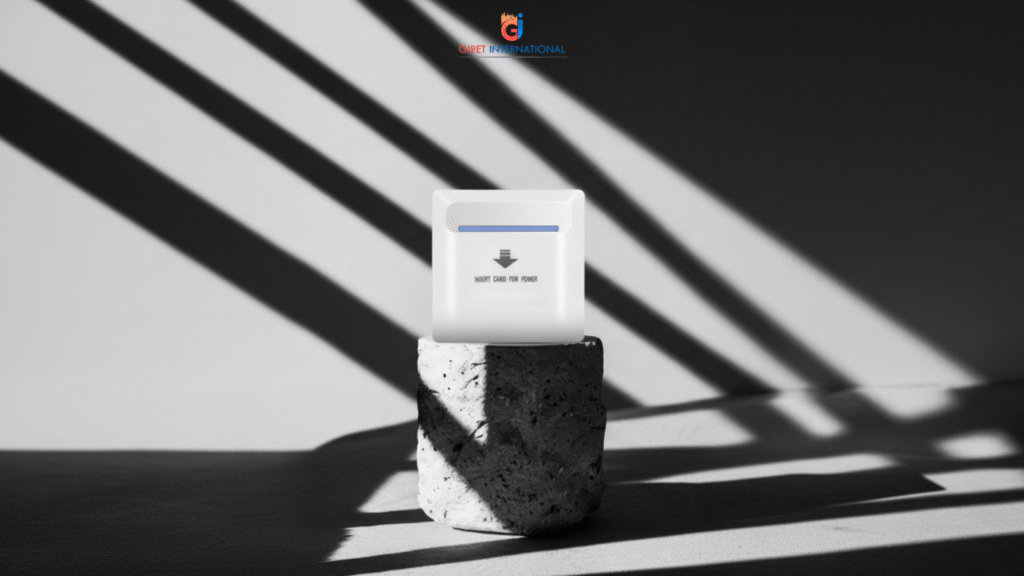
Strategic energy standardization solves this by ensuring:
- Each room follows identical energy logic
- Electricity usage becomes measurable and predictable
- Floor-wide audits become easier
- Peak load spikes are reduced
This helps engineering teams plan maintenance cycles, electricity budgeting, and equipment life cycles more efficiently.
Standardization is one of the most cost-effective long-term strategies hotels can implement.
Energy teams work more efficiently when ESS Switches create identical consumption patterns across every guest room.
Conclusion: ESS Switches and Strategic Energy Transformation
Hotels that embrace automation achieve long-term, measurable improvements in:
- Electricity cost reduction
- HVAC performance
- Guest satisfaction
- Sustainability compliance
- Equipment lifespan
- Operational discipline
The six strategic approaches outlined in this guide reveal how automated systems transform energy flow from unpredictable and wasteful to structured and optimized.
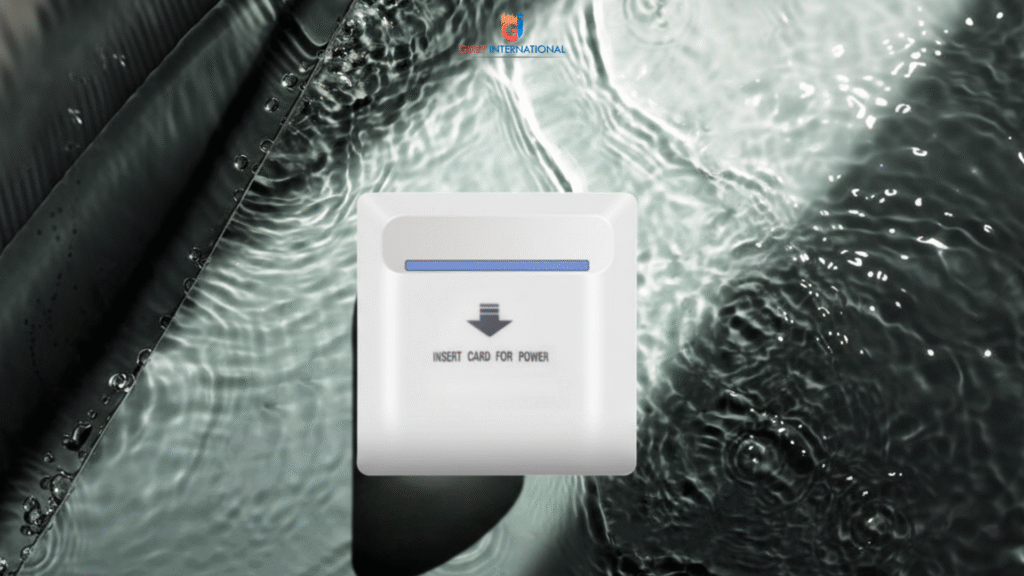
Hotels that invest in automated energy control gain a competitive advantage not only saving money but also offering a more advanced, eco-friendly, and comfortable guest experience.
Why Giret International Leads in Strategic Hotel Energy Solutions
Giret International provides hotels with:
- 40A automated control systems
- Mifare-only RFID activation
- Tempered glass & PC body switches
- Premium combo panel compatibility
- Smooth 20–30 second delay cutoff
- Durable, long-lasting construction
These solutions are engineered specifically for hospitality environments, ensuring long-term reliability and superior aesthetics.
About Giret International
Contact Us
Hospitality Products
Instagram | Facebook | Pinterest | YouTube | X (Twitter)