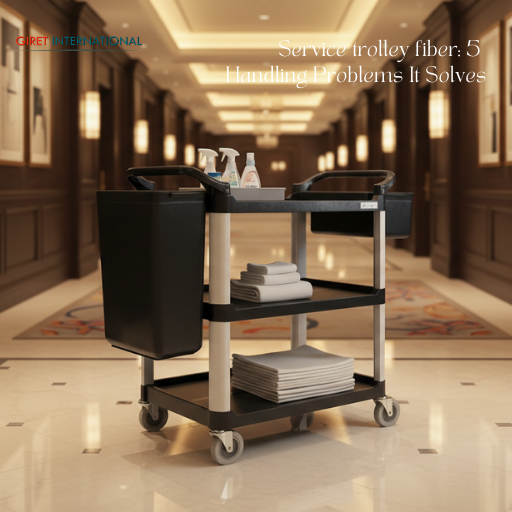
Service trolley fiber systems are designed to eliminate daily handling challenges that hotels quietly struggle with. In fast-paced hospitality environments, equipment handling directly affects speed, safety, and staff comfort. Even small inefficiencies compound over time, slowing workflow and increasing fatigue.
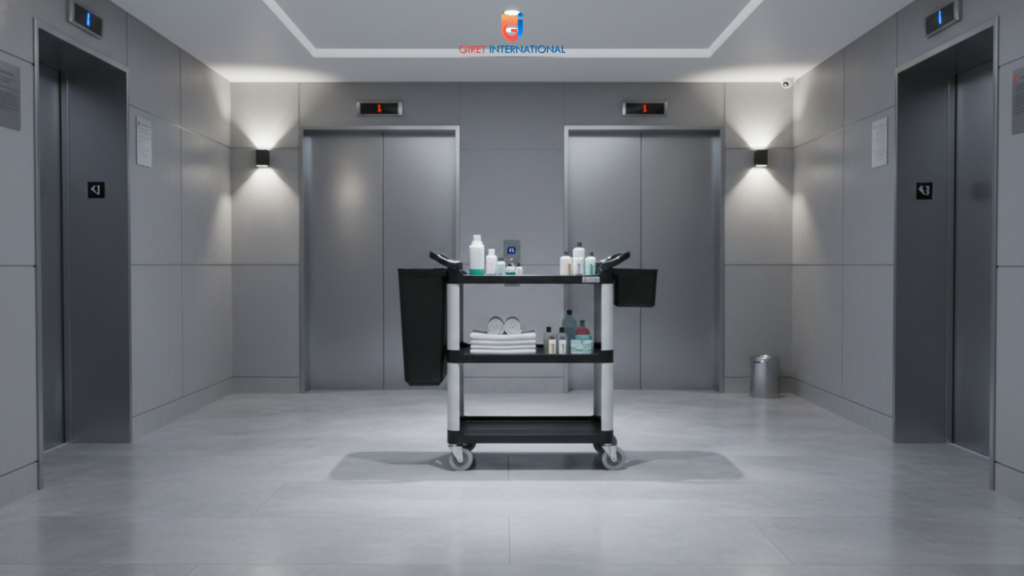
Traditional metal carts often create instability, excessive noise, and unnecessary physical strain. A properly engineered Service trolley fiber model solves these issues through intelligent design, balanced structure, and durable materials.
This guide explains five critical handling problems hotels eliminate after upgrading to modern fiber-based service carts and why those improvements matter long-term.
Why Handling Efficiency Is Critical in Hotels
Handling efficiency is not just about movement speed. It influences:
- Staff energy levels
- Guest perception
- Operational safety
- Equipment lifespan
Every time a cart is pushed through corridors, elevators, banquet halls, or service areas, its structural balance plays a role. A stable Service trolley fiber ensures predictable movement, reducing interruptions and improving workflow consistency.
Service trolley fiber Problem 1: Poor Weight Distribution
Uneven weight distribution is a major issue with outdated carts.
When carts are front-heavy or top-heavy, staff must constantly compensate. This leads to unstable handling and slower movement.
A well-designed Service trolley fiber distributes weight evenly across all tiers and wheel points.
Benefits of Balanced Weight
- Controlled forward push
- Stable stopping without jerks
- Reduced tipping risk
This structural stability gives staff confidence during busy shifts.
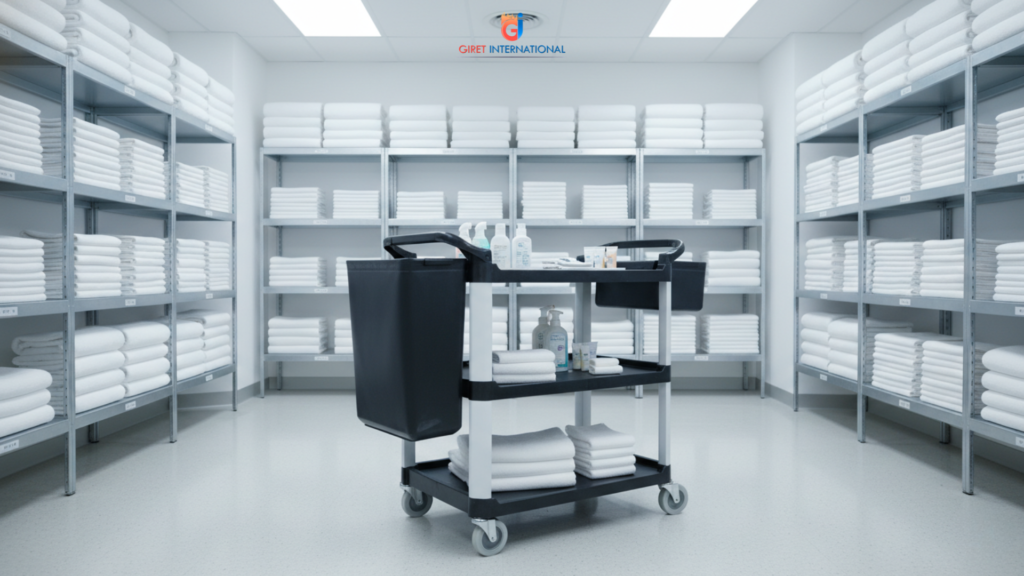
Service trolley fiber Problem 2: Difficult Corridor Navigation
Hotel layouts often include narrow corridors and tight corners. Bulky carts struggle in these areas, causing wall contact or awkward turns.
A compact and well-balanced Service trolley fiber improves maneuverability.
Corridor Handling Advantages
- Smooth corner rotation
- Better control in elevators
- Minimal wall scraping
Over time, this reduces accidental damage and speeds up internal transport tasks.
Service trolley fiber Problem 3: Excessive Operational Noise
Noise impacts guest comfort more than many hotels realize.
Metal carts often create rattling or vibration sounds, especially on tiled floors. A thoughtfully constructed Service trolley fiber absorbs movement shock more effectively.
Quiet Movement Benefits
- Less corridor disturbance
- Better late-night operation
- Enhanced professional image
Silent performance strengthens overall guest experience.
Problem 4: Structural Vibration and Instability
Uneven surfaces, floor transitions, and elevator gaps create vibration in poorly designed carts.
Excessive vibration causes items to shift or fall. A reinforced Service trolley fiber frame minimizes this issue.
Improved Stability Results
- Supplies remain organized
- Fewer mid-task adjustments
- Reduced risk of spills
Stable movement ensures workflow continuity.
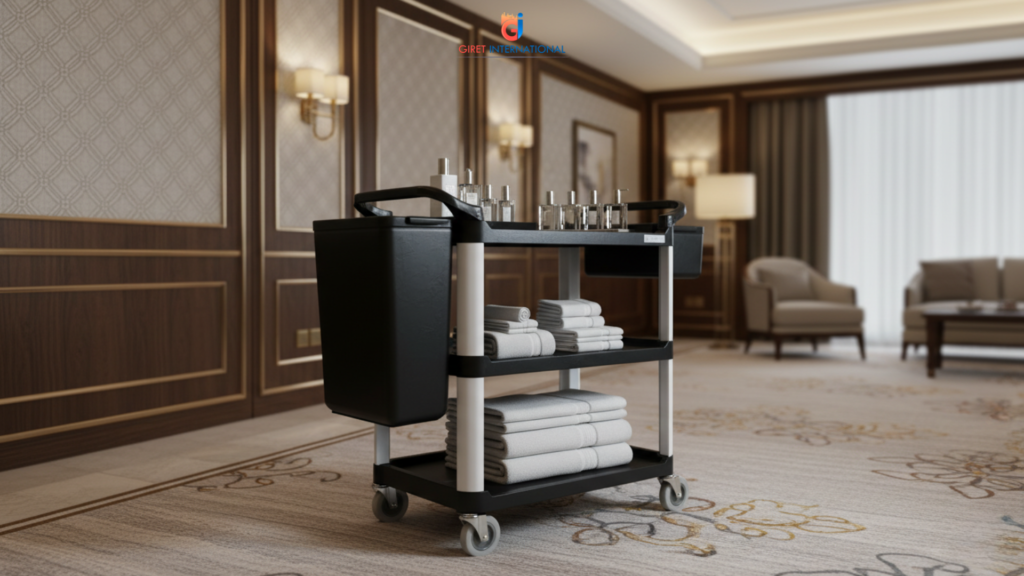
Problem 5: Staff Fatigue and Physical Strain
Heavy frames require more effort to push, especially during long shifts.
A lightweight yet durable Service trolley fiber reduces resistance while maintaining strength.
Reduced Physical Strain Means
- Lower wrist and shoulder stress
- Better posture during movement
- Higher endurance across shifts
Less strain leads to consistent performance.
How Fiber Construction Improves Handling
Fiber-based carts are engineered to combine durability with lightweight handling.
Compared to traditional metal alternatives, a Service trolley fiber offers:
- Balanced frame structure
- Corrosion resistance
- Smooth surface finish
- Improved vibration control
These features directly contribute to better daily handling performance.
Long-Term Operational Gains
Handling improvements generate cumulative benefits.
When staff experience smoother movement daily, the results include:
- Faster service rounds
- Reduced equipment repair
- Lower maintenance downtime
- Improved staff morale
A reliable Service trolley fiber becomes part of operational infrastructure rather than a recurring problem.
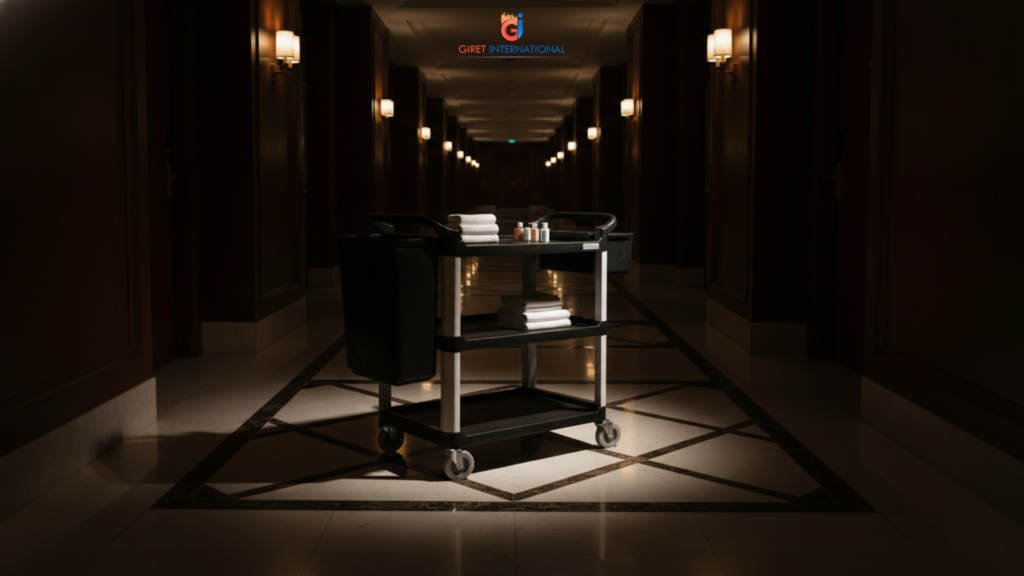
Practical Hospitality Scenarios
Scenario 1: Banquet Preparation
In banquet setups, speed matters. An unstable cart slows table arrangement and increases noise. A stable Service trolley fiber allows efficient item transport with minimal disruption.
Scenario 2: Corridor Room Service
During peak service hours, staff move quickly between floors. A maneuverable Service trolley fiber ensures smooth navigation in elevators and tight hallways.
Scenario 3: Back-of-House Operations
Even behind the scenes, handling efficiency matters. Balanced movement reduces strain and increases task rhythm.
Why Smart Hotels Upgrade
Hotels prioritizing operational efficiency understand that equipment influences service flow.
A professionally engineered Service trolley fiber reduces friction in daily movement. Staff focus on service delivery instead of managing unstable equipment.
Final Summary
The five key handling problems solved by Service trolley fiber systems are:
- Poor weight distribution
- Difficult corridor navigation
- Excessive operational noise
- Structural vibration instability
- Staff fatigue from heavy frames
By addressing these issues structurally and materially, a modern Service trolley fiber strengthens operational performance and supports smoother, safer, and more efficient daily hotel workflow.
About Giret International
Contact Us
Hospitality Products
Instagram | Facebook | Pinterest | YouTube | X (Twitter)