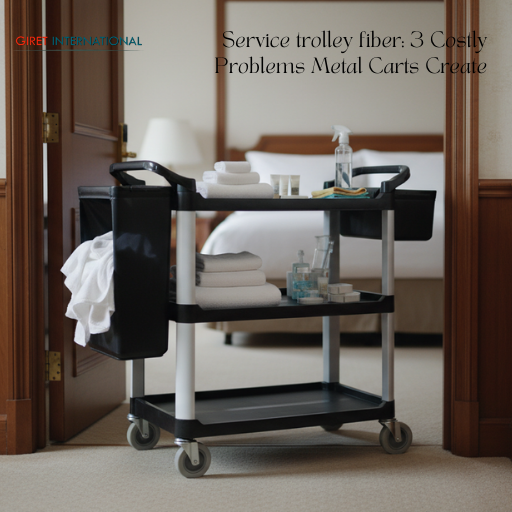
Service trolley fiber has emerged as a smart operational upgrade because hotels have learned an expensive lesson: traditional metal carts often create more problems than they solve. While metal trolleys may appear strong and durable, their long-term operational impact can quietly increase costs, reduce efficiency, and affect guest experience.
In this blog, we break down three costly problems metal carts create in hotels and explain why many properties are shifting toward modern fiber-based solutions.
Why Hotels Are Rethinking Metal Service Carts
Metal service carts were once standard across hospitality. However, hotels operating in humid climates or high-traffic environments began noticing repeated issues:
- Surface rust
- Structural weakening
- Wheel noise
- High maintenance frequency
This shift in operational experience led to growing adoption of service trolley fiber alternatives.
Service trolley fiber vs Traditional Metal Design
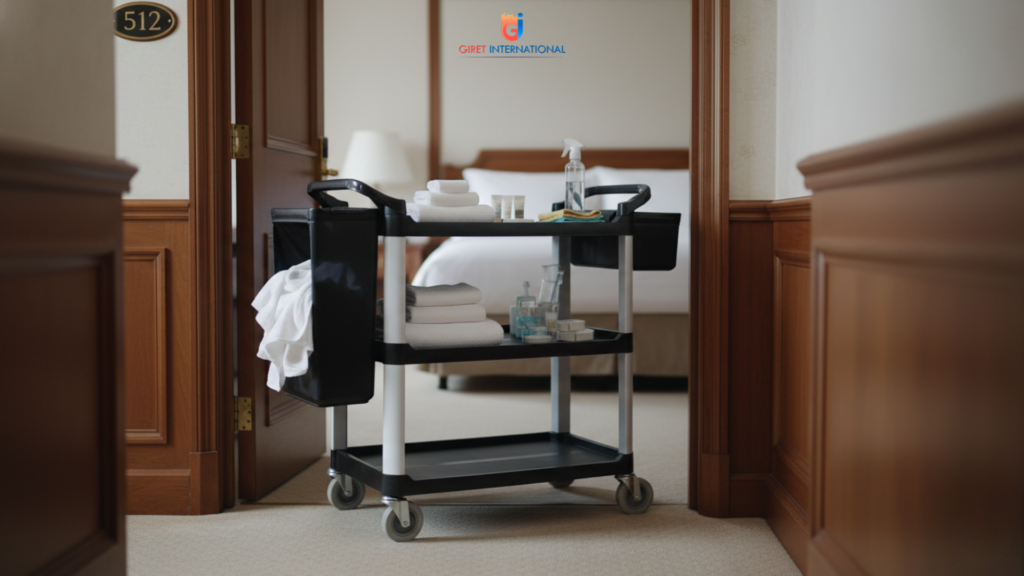
A service trolley fiber built using ABS and aluminium offers structural strength without corrosion vulnerability. Unlike metal frames that react to moisture and cleaning chemicals, fiber-based bodies maintain consistency under repeated use.
The difference becomes visible over time especially in demanding hotel environments.
Service trolley fiber Problem 1 Metal Carts Create: Rust and Corrosion Damage
The first and most costly issue is rust.
Metal carts exposed to:
- Cleaning chemicals
- Humidity
- Frequent washing
gradually corrode.
A service trolley fiber avoids this entirely because ABS and aluminum materials resist rust formation.
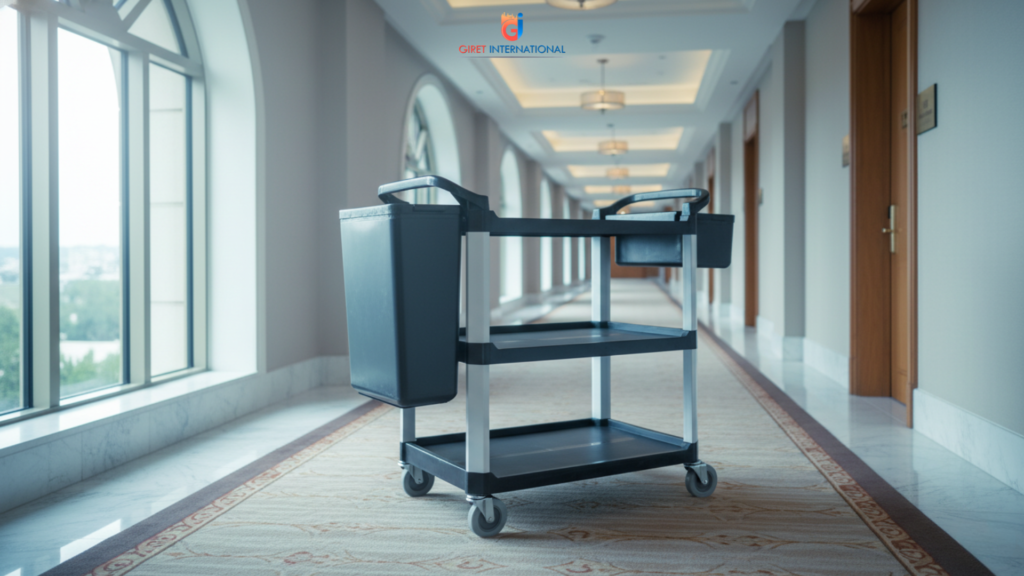
Why Rust Becomes Expensive
Rust leads to:
- Structural weakening
- Unsightly surfaces
- Replacement of entire units
Hotels that ignore early corrosion often end up replacing carts earlier than planned.
Impact on Hygiene Standards
Rust flakes and corroded surfaces can compromise cleanliness standards. In contrast, a service trolley fiber supports consistent hygiene control.
Problem 2 Metal Carts Create: Noise and Guest Disturbance
The second major issue is operational noise.
Metal carts often:
- Vibrate on uneven flooring
- Produce metallic clatter
- Amplify wheel noise in corridors
A service trolley fiber absorbs vibration better and supports smoother movement.
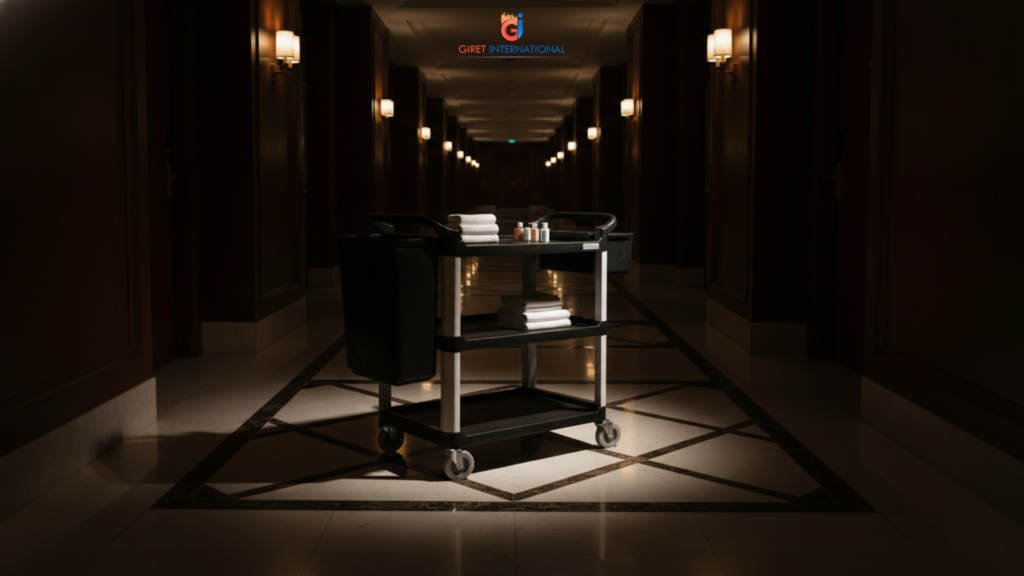
Why Noise Matters in Hospitality
Guests resting or attending events notice unnecessary noise.
Repeated disturbance reduces:
- Guest satisfaction
- Perception of professionalism
Hotels prefer quiet operational tools that enhance the service experience.
Silent Movement Improves Image
A modern service trolley fiber creates a cleaner, calmer operational environment especially during night shifts.
Problem 3 Metal Carts Create: Heavy Handling and Staff Fatigue
Metal construction adds unnecessary weight.
Heavy carts increase:
- Staff fatigue
- Handling difficulty
- Risk of tipping
A service trolley fiber is lighter while maintaining structural stability.
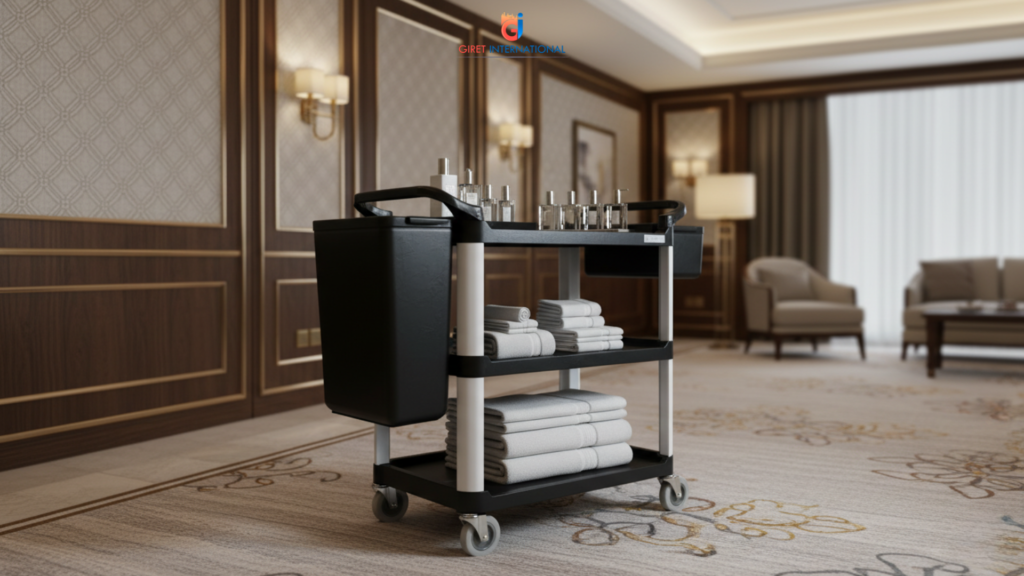
Why Handling Affects Productivity
When equipment is heavy:
- Movement slows
- Staff require more effort
- Shift performance declines
Fiber construction improves daily workflow and reduces strain.
Hidden Financial Impact of Metal Trolleys
At first glance, metal carts may seem affordable.
However, over time they cause:
- Maintenance expenses
- Frequent repainting
- Wheel replacements
- Early replacement cycles
A service trolley fiber often proves more economical across years of use.
Hygiene Risks Linked to Metal Carts
Rusty edges and chipped paint create areas where dirt accumulates.
Hotels that prioritize hygiene increasingly choose service trolley fiber models with smooth, wipe-clean surfaces.
This ensures:
- Easier sanitation
- Faster cleaning between shifts
- Better compliance with hospitality standards
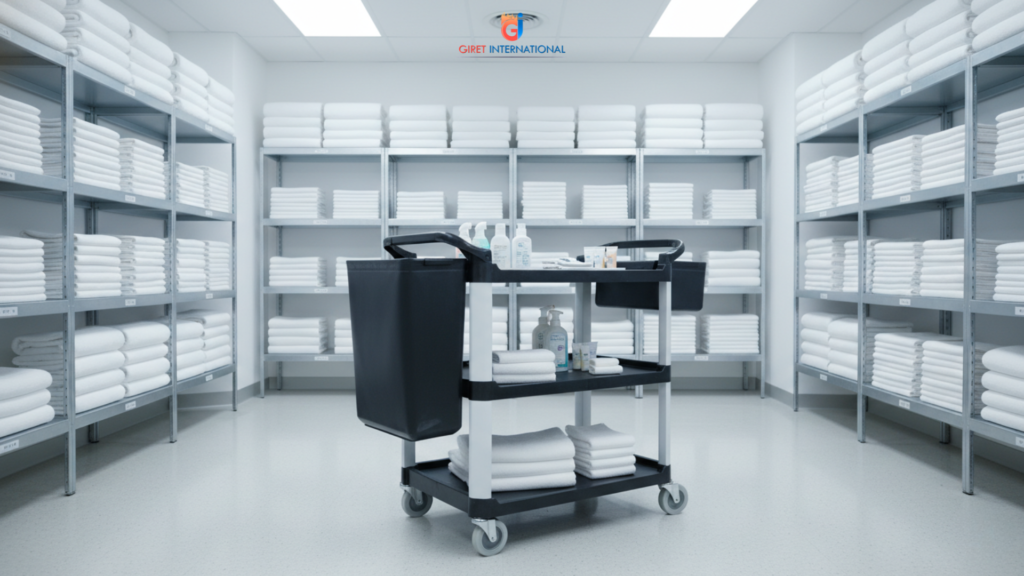
Maintenance and Replacement Cycles
Metal carts typically require:
- Surface repair
- Structural inspection
- Occasional welding
Fiber models minimize these interruptions.
A service trolley fiber reduces downtime and simplifies long-term planning.
How Fiber Models Reduce Long-Term Risk
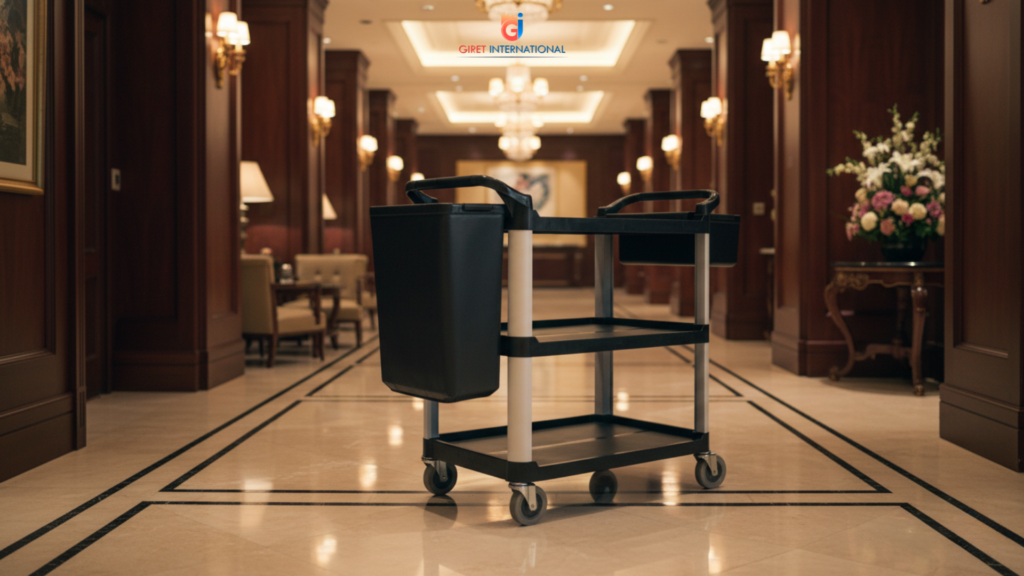
Modern fiber carts combine:
- ABS molded tiers
- Aluminium frame support
- Lightweight construction
This design reduces corrosion risk while maintaining operational strength.
Hotels that switch to service trolley fiber report fewer maintenance interruptions.
Operational Stability with Modern Materials
Stability matters in busy hotels.
A service trolley fiber provides:
- Controlled movement
- Balanced load distribution
- Reduced vibration
This improves daily service reliability.
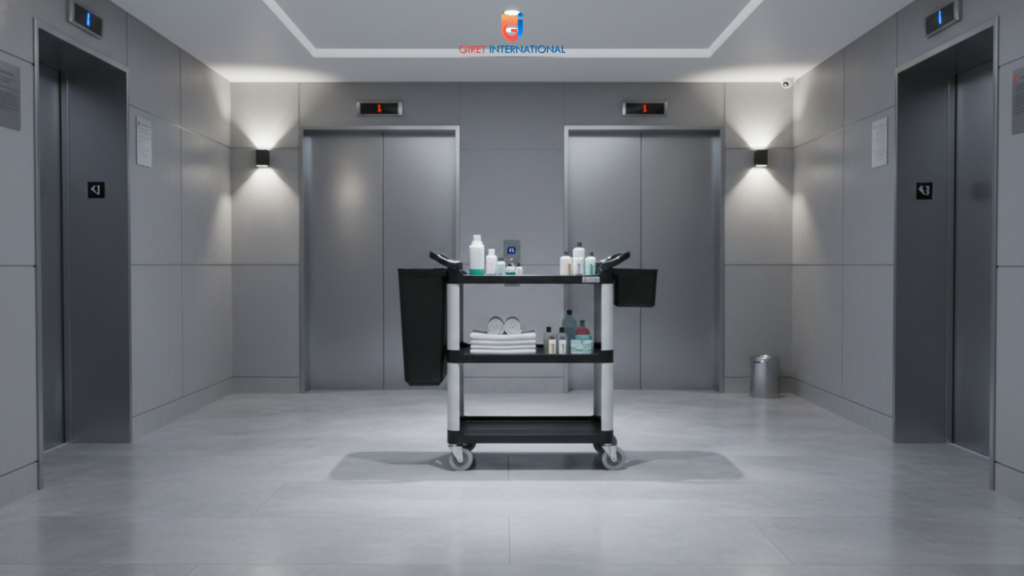
Comparing Lifecycle Costs
When calculating lifecycle cost, hotels evaluate:
- Purchase price
- Maintenance frequency
- Replacement timeline
- Operational disruption
In most cases, a service trolley fiber outperforms metal alternatives over multi-year usage.
Why Hotels Are Making the Shift
The shift is not about trend it is about practical efficiency.
Hotels that previously faced repeated rust, noise, and handling problems now prefer the predictable performance of service trolley fiber models.
Internal Insight on Operational Upgrades
Hotels exploring operational improvements also review insights shared in
service trolley fiber: 5 Powerful Reasons Hotels Upgrade
Understanding both upgrade benefits and metal cart risks provides a complete decision framework.
Final Verdict
Metal carts create three costly problems:
- Rust and corrosion damage
- Noise that disrupts guests
- Heavy handling that slows staff
A service trolley fiber eliminates these weaknesses while delivering durability, hygiene, and smoother performance.
For hotels focused on long-term efficiency and guest experience, upgrading from metal to fiber is not just a material change it is a strategic operational improvement.
About Giret International
Contact Us
Hospitality Products
Instagram | Facebook | Pinterest | YouTube | X (Twitter)