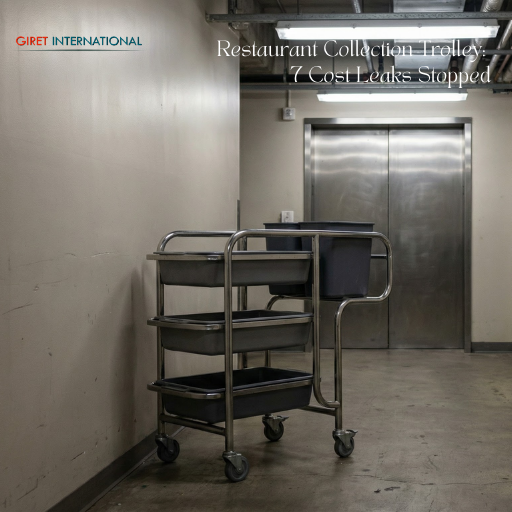
Restaurant Collection Trolley is more than an operational tool; it is a cost-control mechanism inside hotels and restaurants. Many hospitality businesses focus on food cost percentages and supplier negotiations, yet overlook the small daily inefficiencies that quietly drain profits.
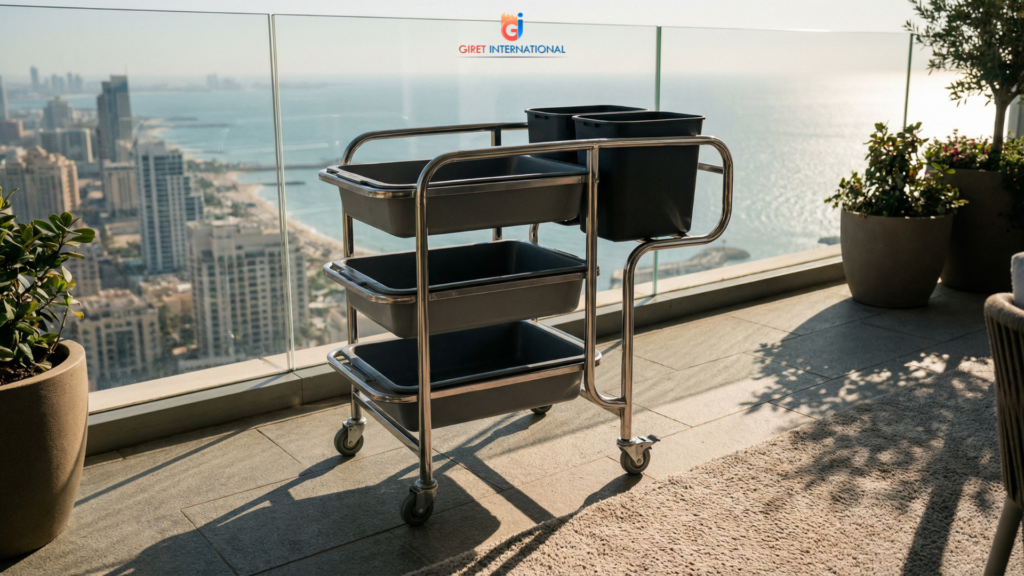
Broken plates, wasted staff hours and inefficient cleaning cycles accumulate into significant financial losses over time. A structured clearing system supported by a Restaurant Collection Trolley helps eliminate these hidden cost leaks without increasing manpower or reducing service quality.
Cost efficiency begins with movement efficiency.
Why Hidden Costs Hurt Restaurant Profitability
Restaurants operate on tight margins. Even minor operational inefficiencies can erode profitability gradually.
Unlike visible expenses such as rent or raw materials, operational waste often remains unnoticed. A Restaurant Collection Trolley reduces multiple small leakages by introducing structured clearing and organized movement.
Systematic processes minimize unnecessary expenditure.
Restaurant Collection Trolley and Expense Control
Expense control is not always about cutting spending. It is about preventing avoidable loss.
A Restaurant Collection Trolley supports cost efficiency by stabilizing plate transport, reducing repetitive walking cycles and streamlining cleaning processes.
For workflow improvement reference:
/restaurant-collection-trolley-6-workflow-mistakes-fixed
For safety impact insights:
/restaurant-collection-trolley-5-safety-risks-avoided
Operational structure strengthens financial outcomes.
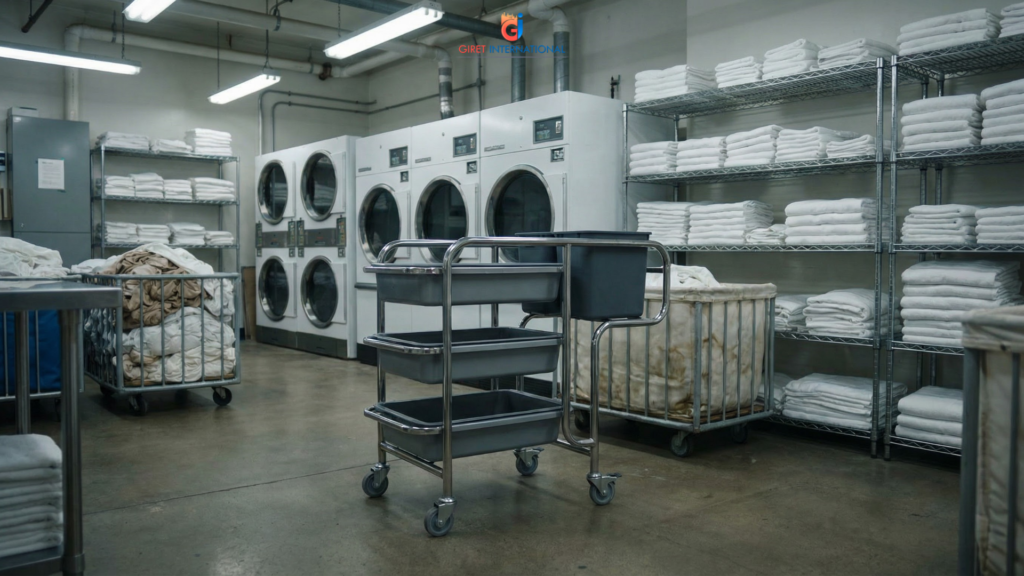
7 Common Cost Leaks in Dining Operations
1. Crockery Breakage
Unstable plate stacking leads to frequent drops.
A Restaurant Collection Trolley distributes load evenly across tiers, reducing collision impact.
Fewer breakages mean lower replacement costs.
2. Labor Overtime
Delayed clearing extends closing time.
When staff finish late, payroll expenses increase.
Using a Restaurant Collection Trolley, clearing becomes continuous rather than delayed, reducing end-of-day workload.
3. Inefficient Dishwashing Cycles
Irregular dish flow overwhelms washing teams.
Balanced transfer via a Restaurant Collection Trolley supports steady cleaning rhythm.
Consistent flow saves water and electricity.
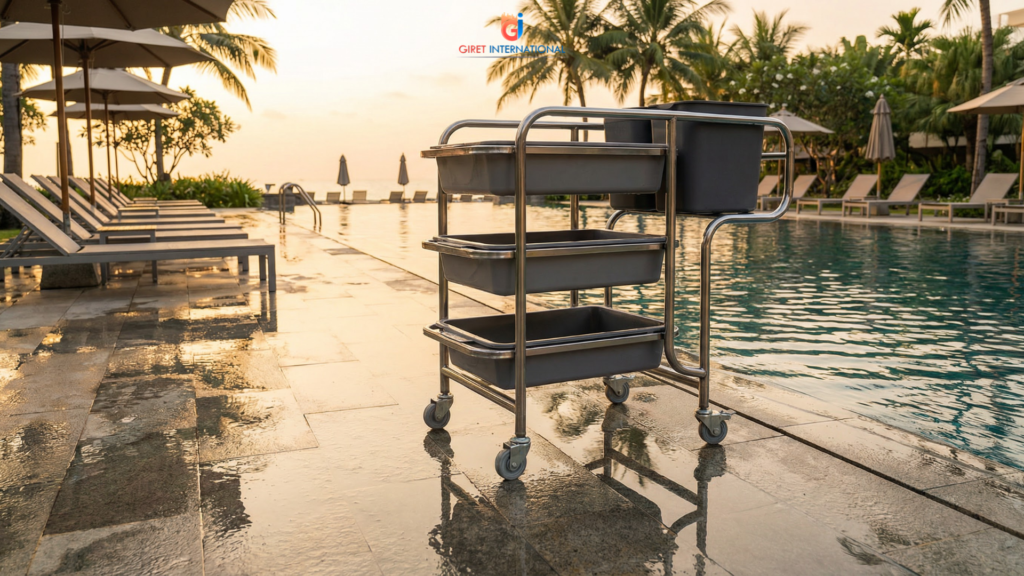
4. Excessive Cleaning Supplies
Spills caused by unstable carrying require frequent mopping and sanitization.
Controlled movement reduces chemical usage.
Lower supply consumption reduces monthly expense.
5. Staff Fatigue-Related Errors
Tired employees drop items or misplace utensils.
Ergonomic support from a Restaurant Collection Trolley minimizes strain and mistake frequency.
Fewer errors protect resources.
6. Time Loss During Peak Hours
Slow clearing reduces seating turnover, limiting revenue potential.
Efficient movement increases table availability.
Improved turnover strengthens income flow.
7. Asset Wear from Improper Handling
Dragging trays across counters damages surfaces.
Dedicated mobile storage reduces unnecessary contact damage.
A Restaurant Collection Trolley protects both equipment and interiors.
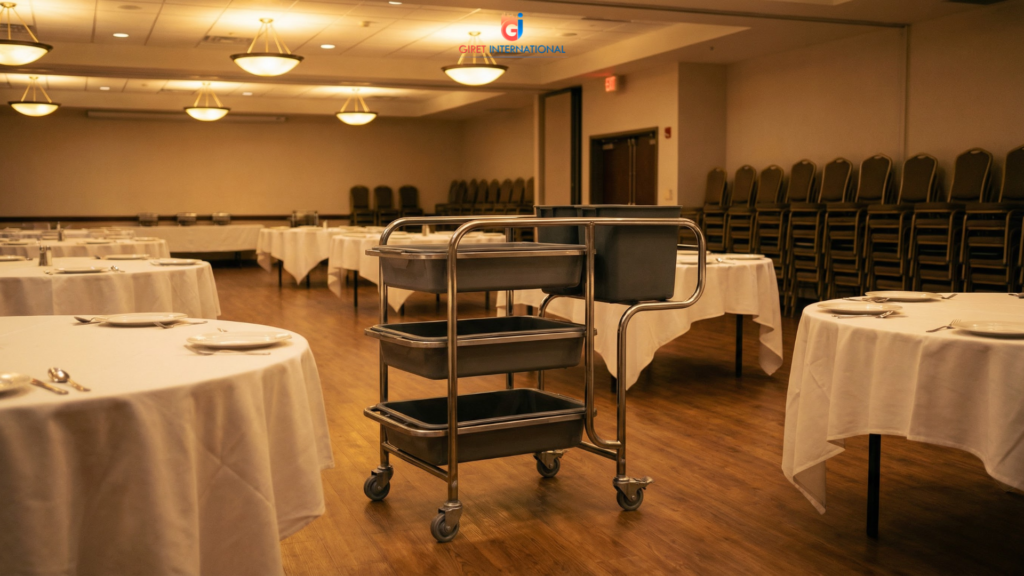
Reducing Crockery Breakage
Plate replacement costs may appear small individually but accumulate quickly.
A Restaurant Collection Trolley provides stable horizontal tiers that minimize shifting during transport. Balanced load placement reduces shock and vibration.
Over months, lower breakage frequency generates noticeable savings.
Inventory preservation equals profit protection.
Lowering Labor Overtime
When clearing lags during service, cleanup extends into late hours.
A Restaurant Collection Trolley enables proactive removal throughout shifts. Instead of large batch cleanups after closing, workload spreads evenly.
This reduces overtime wages and improves staff morale simultaneously.
Operational balance reduces payroll pressure.
Optimizing Cleaning and Utility Usage
Dishwashing efficiency directly influences utility consumption.
A Restaurant Collection Trolley delivers organized loads to the wash area, reducing re-sorting time and water wastage.
Consistent cycles improve equipment longevity and reduce energy spikes.
Utility efficiency lowers monthly overhead.
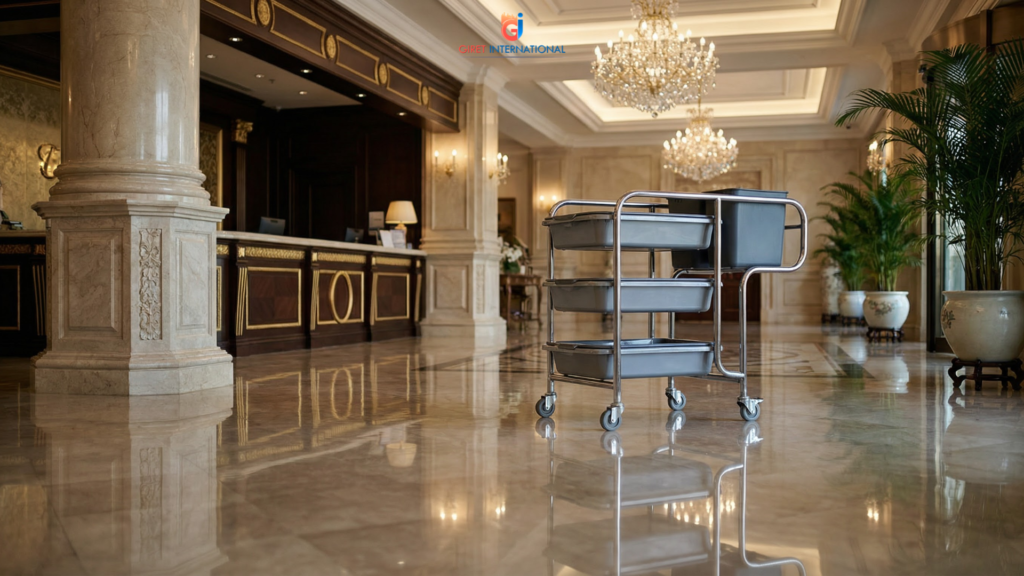
Inventory Protection and Asset Longevity
Hospitality equipment suffers when handled carelessly. Continuous impact shortens lifespan.
Using a Restaurant Collection Trolley, transport becomes smoother and controlled. Reduced impact protects not only dishes but also floors and service counters.
Protecting assets delays replacement investment.
Longer asset life improves return on investment.
Structured Cost Management Through Workflow Discipline
Cost savings are sustainable only when processes remain consistent.
A Restaurant Collection Trolley supports defined clearing routes and section-based responsibility. Predictable movement prevents duplication of effort and waste of time.
Structured discipline ensures long-term savings rather than temporary reduction.
Financial Stability During Peak Season
High-volume seasons amplify both revenue and risk. Increased guest flow can raise breakage, overtime and waste if not managed correctly.
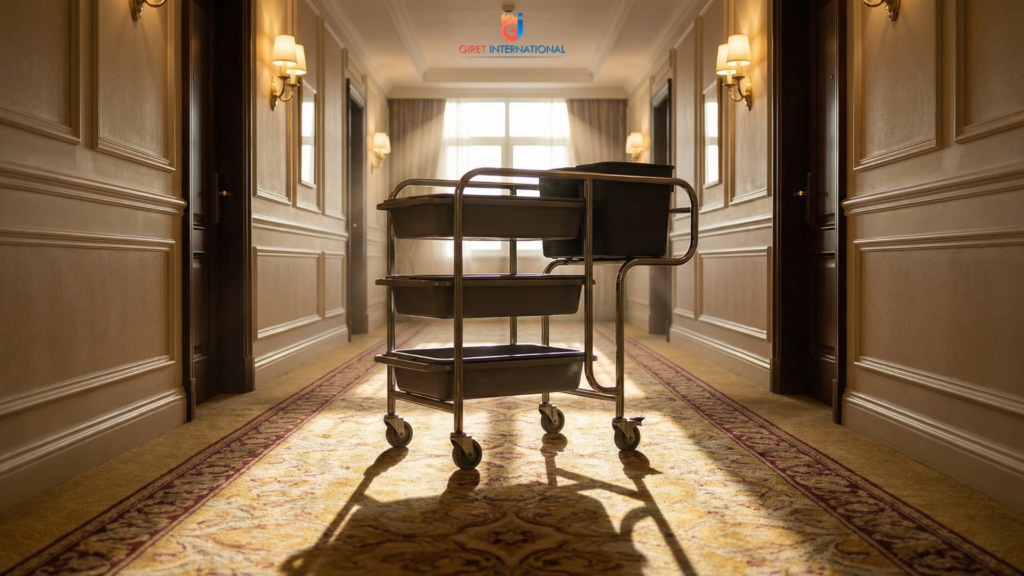
A Restaurant Collection Trolley stabilizes operations during busy periods, preventing expense spikes.
Controlled systems maintain profitability even under pressure.
Final Thoughts
Hospitality profitability depends not only on sales but on operational discipline. Small inefficiencies compound into major losses over time.
By implementing a Restaurant Collection Trolley, restaurants reduce breakage, control labor costs and optimize cleaning resources. The result is a more predictable expense structure and improved financial stability.
Savings are rarely achieved through drastic changes.
They are achieved through consistent operational refinement.
About Giret International
Contact Us
Hospitality Products
Instagram | Facebook | Pinterest | YouTube | X (Twitter)