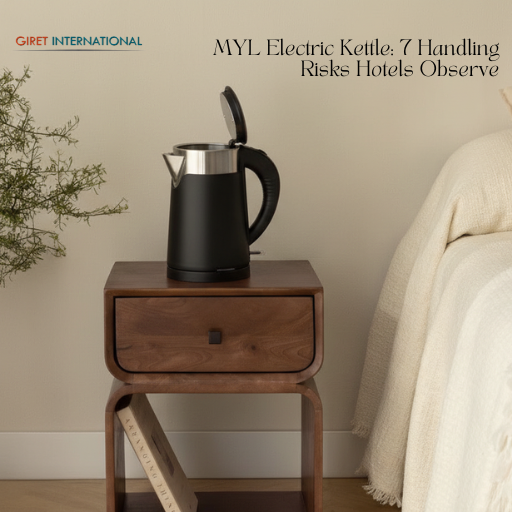
MYL Electric Kettle is designed for controlled in-room use, but hotels know that real-world guest interaction rarely follows instruction manuals. Guests lift, move, refill, and place kettles based on convenience, not technical awareness. Because of this, hotels continuously observe handling risks not as failures, but as operational signals that help protect rooms, guests, and equipment.
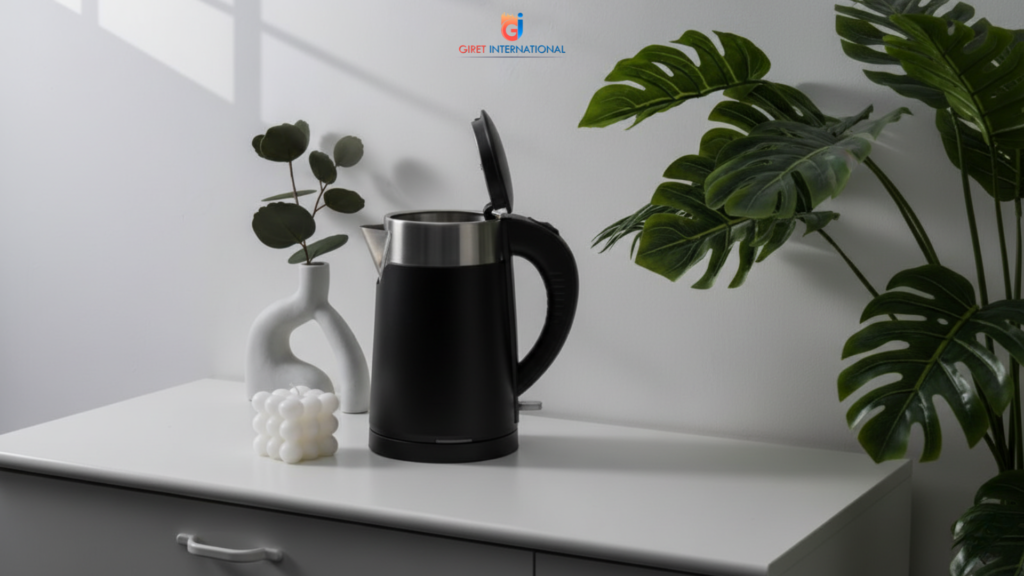
Unlike usage problems or safety incidents, handling risks appear quietly during everyday interactions. They reveal how guests physically engage with the kettle, often unintentionally creating strain, instability, or unsafe conditions. This blog explores the seven key handling risks hotels actively observe when MYL Electric Kettle is placed in guest rooms.
Why Handling Risks Matter in Guest Rooms
Hotels design rooms to be intuitive, but guest behavior varies widely. Handling risks emerge not from misuse alone, but from how guests physically interact with appliances during daily routines.
These risks matter because:
- They often occur before damage or complaints
- They affect both guest safety and room readiness
- They reveal design and placement effectiveness
Hotels that monitor handling risks gain early insight into how appliances perform in real conditions, rather than ideal ones.
MYL Electric Kettle Improper Lifting Observations
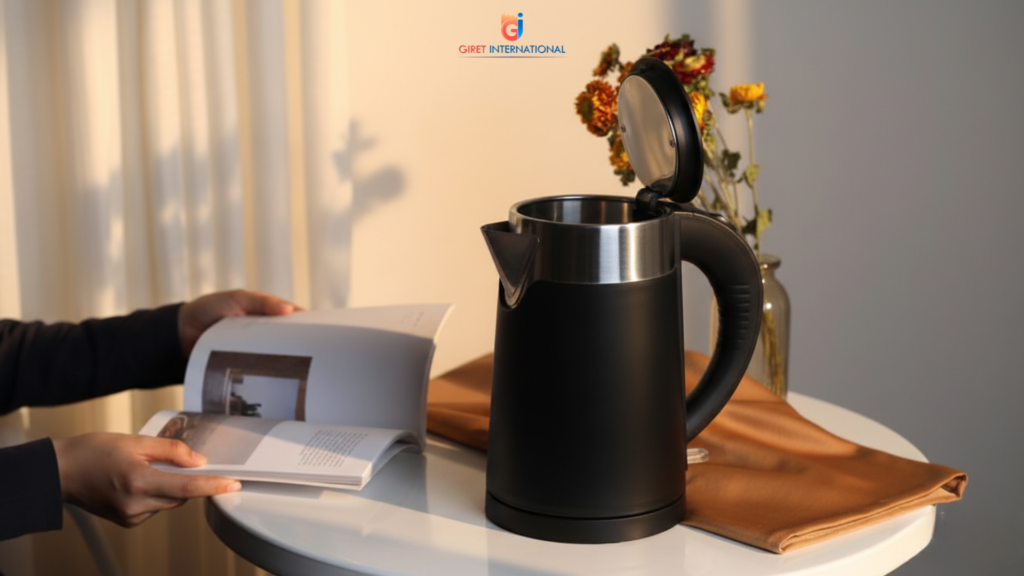
MYL Electric Kettle improper lifting is one of the most commonly observed handling risks. Guests may lift the kettle:
- Without fully placing it back on the base
- While the kettle is still warm
- With one hand instead of using the handle correctly
Housekeeping teams notice misalignment between the kettle and its base during room resets. While this does not always cause immediate issues, repeated lifting errors increase wear on connectors and raise safety concerns.
MYL Electric Kettle Dry-Boil Handling Attempts
MYL Electric Kettle dry-boil attempts are often accidental. Guests may switch on the kettle before checking water levels, especially when distracted or unfamiliar with the appliance.
Hotels observe:
- Indicator lights triggered without water
- Auto cut-off activation patterns
- Slight odor or heat residue
These handling risks are closely tracked because they indicate interaction gaps, not appliance failure. For broader safety context, hotels often align these observations with insights from “MYL Electric Kettle: 6 Safety Concerns Hotels Monitor Daily.”
MYL Electric Kettle Overfilling During Refill

MYL Electric Kettle overfilling is another handling risk hotels frequently observe. Guests may ignore the maximum water line or misread the water window, leading to spills or internal moisture exposure.
Observed indicators include:
- Water residue on the base
- Moisture near electrical points
- Kettle exterior dampness
Hotels treat these signs as handling alerts, prompting deeper inspection rather than immediate replacement.
MYL Electric Kettle Unsafe Placement After Use
MYL Electric Kettle placement after use is a critical observation point. Guests may place the kettle:
- Near sinks
- On uneven surfaces
- Too close to edges

Housekeeping teams are trained to look for placement drift, especially in high-turnover rooms. This handling risk matters because placement affects heat dissipation, cord safety, and overall room aesthetics.
MYL Electric Kettle Cord Stress and Base Movement
MYL Electric Kettle cord handling often reveals subtle risks. Guests may pull the kettle by the cord, stretch it across furniture, or rotate the base incorrectly.
Hotels observe:
- Cord tension marks
- Twisted base alignment
- Power socket strain
These are not failures but early handling warnings. When tracked consistently, they help hotels adjust placement guidelines and staff instructions.
To understand how such signals connect with daily monitoring, hotels often reference “MYL Electric Kettle: 5 Operational Warnings Hotels Track.”
MYL Electric Kettle Heat Contact Handling Risks
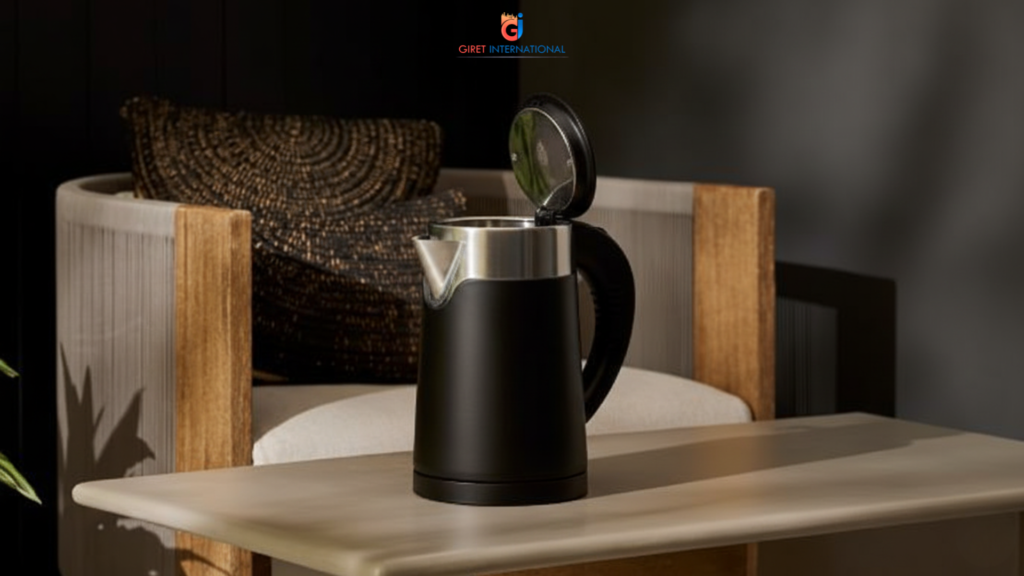
MYL Electric Kettle heat contact handling risks appear when guests touch the body too soon after boiling or attempt to move the kettle immediately.
Indicators include:
- Finger marks on warm surfaces
- Misplaced kettle lids
- Heat-related residue near placement zones
Hotels monitor these signs to assess whether placement, signage, or guest awareness needs adjustment.
How Hotels Detect and Log Handling Risks
Hotels rely on structured observation rather than guesswork. Handling risks are detected through:
- Housekeeping checklists
- Engineering walkthroughs
- Repeated room-level patterns
Each observed risk is logged, categorized, and reviewed periodically. This approach ensures consistent monitoring without unnecessary alarm.
Linking Handling Risks with Operational Warnings
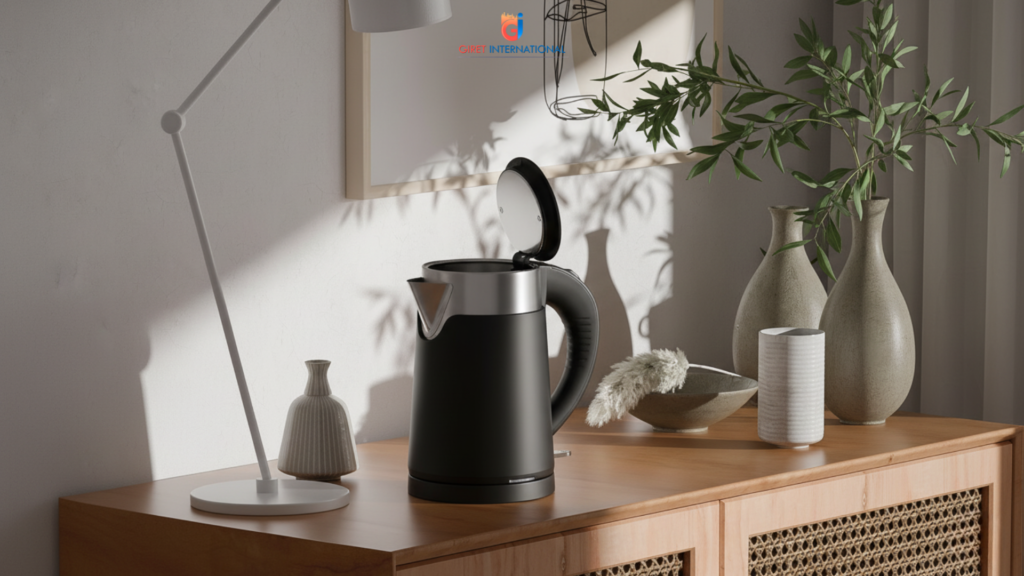
Handling risks do not exist in isolation. They often align with broader operational signals such as frequent cut-off triggers or repeated repositioning.
By linking handling observations with operational data, hotels gain a full usage picture. This integrated view allows preventive action instead of reactive fixes.
Conclusion
MYL Electric Kettle handling risks give hotels valuable insight into real guest interaction. From lifting habits to refill behavior and placement decisions, these observations help hotels maintain safer rooms and longer-lasting appliances.
By monitoring handling risks not just failures hotels stay ahead of problems, protect guests, and ensure consistent room standards. In hospitality, awareness is not about restriction; it is about intelligent observation.
About Giret International
Contact Us
Hospitality Products
Instagram | Facebook | Pinterest | YouTube | X (Twitter)