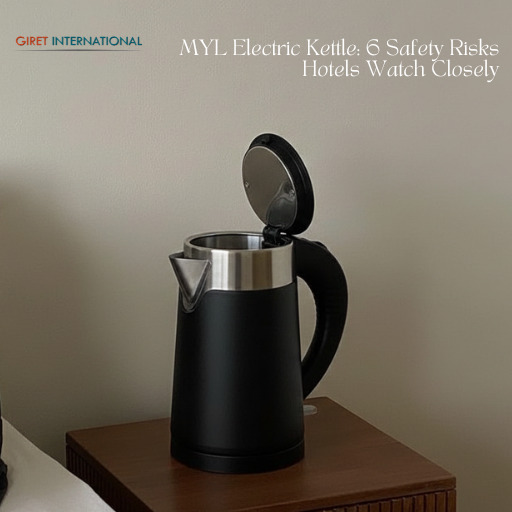
MYL Electric Kettle is one of the most frequently used electrical appliances inside hotel rooms. Unlike fixed installations such as lighting or air conditioning, a kettle is handled directly by guests multiple times a day. Because of this high interaction, hotels treat kettle safety as a continuous operational concern rather than a one-time setup decision.
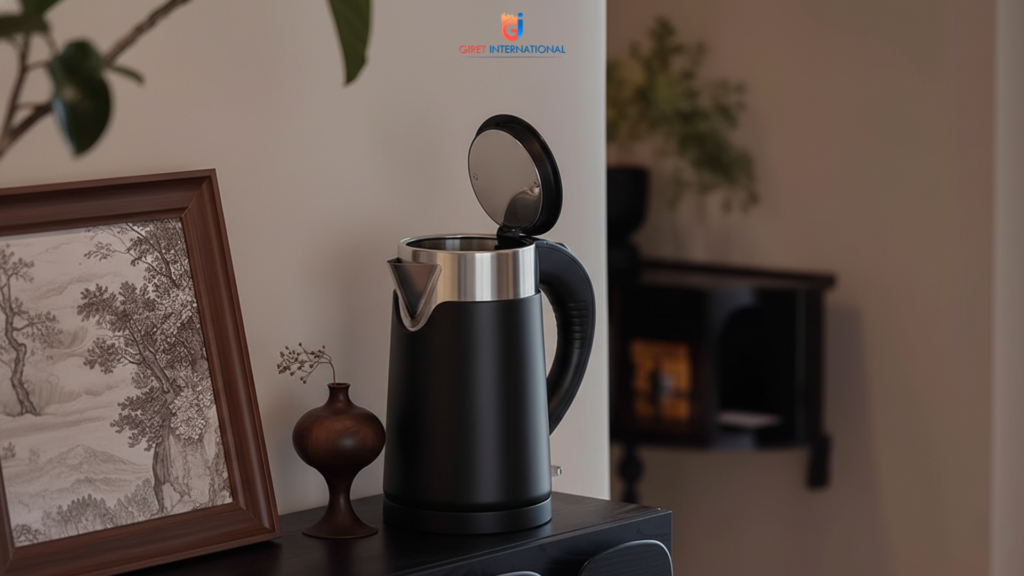
In hospitality environments, safety risks are not always dramatic or visible. Many risks develop quietly through repeated misuse, incorrect handling, or lack of awareness. Hotels therefore monitor how electric kettles behave under real guest conditions to ensure consistent safety, hygiene, and room reliability.
This article explores six key safety risks hotels closely watch when kettles are used inside guest rooms.
Why Hotels Monitor Electric Kettle Safety
Hotel rooms are private spaces where guests operate appliances independently. This independence is valuable for guest comfort, but it also introduces risk. Hotels cannot assume that every guest understands basic appliance safety or follows recommended usage patterns.
Safety monitoring becomes important because:
- Guest behavior is unpredictable
- Appliances are used without supervision
- Minor misuse can repeat across many rooms
Even small incidents such as overheating, water spills, or improper handling—can add up to maintenance calls, guest complaints, or safety concerns if left unmanaged. Hotels therefore treat kettle safety as part of their overall room-risk assessment process.
MYL Electric Kettle and Dry-Boil Risk
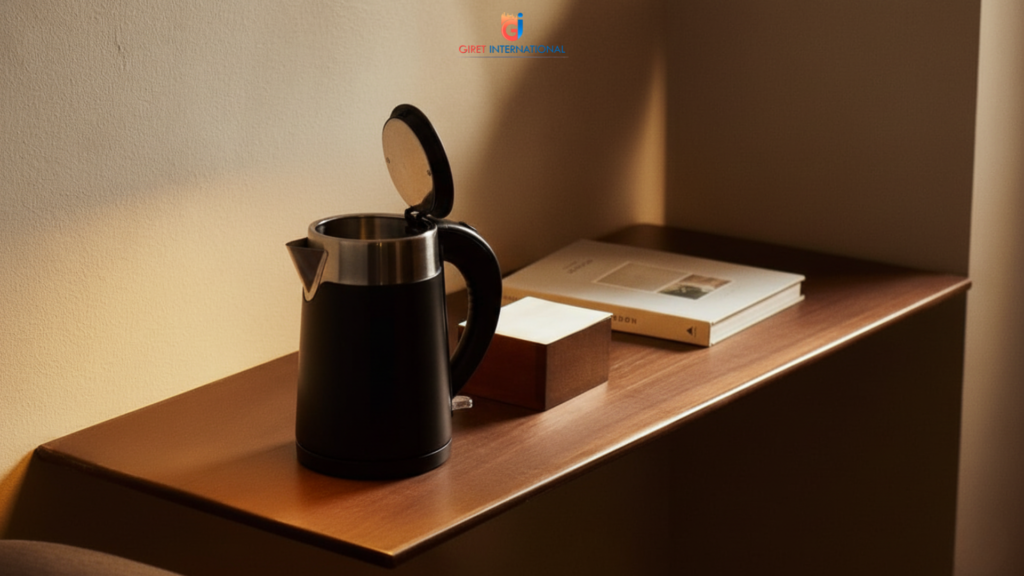
Dry boiling occurs when the kettle is switched on without water inside. This is one of the most common safety risks hotels encounter.
Guests may cause dry boiling when:
- They forget to refill the kettle
- They assume water is already inside
- Housekeeping places the kettle back empty
Dry-boil incidents can stress internal components and trigger safety mechanisms. While protection systems help prevent damage, repeated dry-boil events can shorten appliance life and confuse guests when the kettle switches off unexpectedly.
Hotels monitor this risk closely because it occurs silently and frequently, especially in high-occupancy properties.
MYL Electric Kettle and Overheating Control
Overheating is another safety risk hotels watch carefully. Guests may boil water repeatedly in short intervals or attempt to reheat partially cooled water several times.
This behavior increases internal temperature load and can:
- Reduce long-term performance
- Create excessive surface heat
- Increase the frequency of safety shut-offs
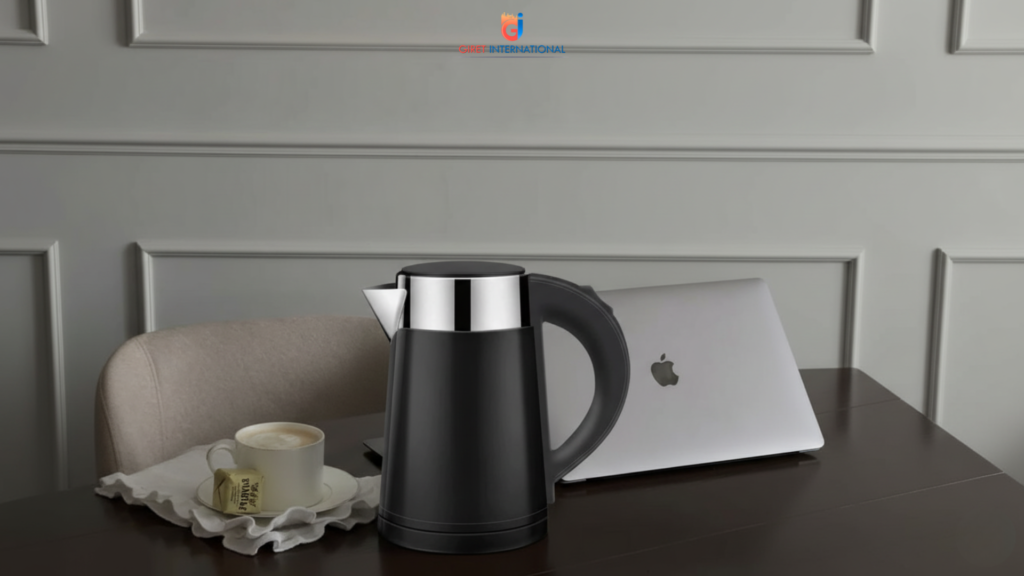
Hotels do not expect guests to regulate usage. Instead, they choose kettles that manage heat internally and respond predictably during frequent daily operation.
Overheating control is therefore seen as a core safety benchmark, not just a technical feature.
MYL Electric Kettle and Improper Guest Handling
Guests handle kettles in different ways depending on habit and urgency. Some guests lift the kettle immediately after boiling, while others tilt or move it while hot.
Improper handling can result in:
- Minor burns
- Hot water spills
- Damage to nearby furniture or surfaces
Hotels monitor handling-related risks because these incidents often occur without complaints being reported. A guest may not inform the front desk about a minor burn or spill, but the operational impact still exists.
Stable design, controlled heat exposure, and predictable shut-off behavior help reduce handling-related risks.
MYL Electric Kettle and Water-Level Misjudgment
Incorrect water filling is another safety issue hotels frequently observe. Some guests overfill the kettle, while others boil with too little water.
Water-level errors can cause:
- Spillover during boiling
- Inefficient heating cycles
- Frequent safety cut-offs
These incidents increase housekeeping workload and can lead to confusion for guests who believe the kettle is malfunctioning.
Clear water-level visibility helps guests self-correct without instructions, making water-level management a key safety consideration for hotels.
MYL Electric Kettle and Placement-Related Hazards
Guests do not always keep kettles in their designated positions. They may move them to:
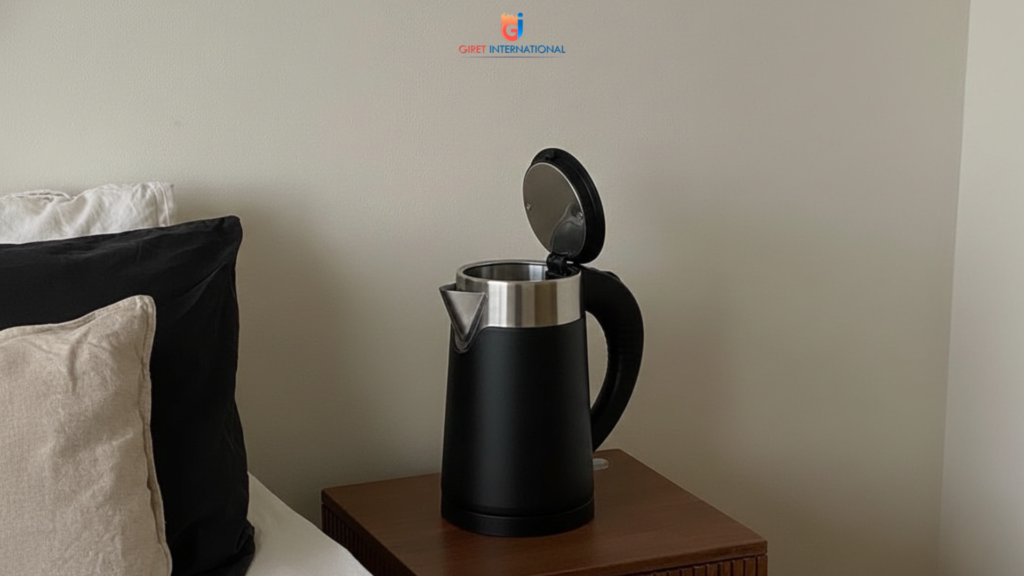
- Bedside tables
- Bathroom counters
- Near curtains or soft furnishings
Improper placement introduces risks such as:
- Tipping or instability
- Heat exposure to fabrics
- Accidental contact during movement
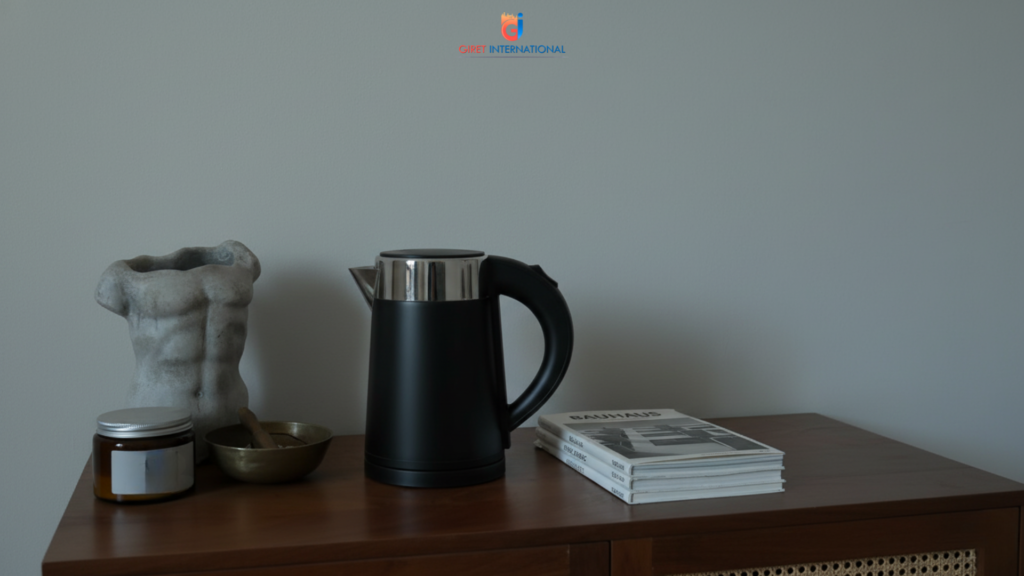
Hotels assume that guests will reposition appliances. As a result, they monitor placement-related hazards and select kettles with stable bases and balanced construction to minimize risk regardless of where the kettle is placed.
MYL Electric Kettle and Auto Cut-Off Misunderstanding
Auto cut-off systems are designed to enhance safety, but guests may not understand how they work. When a kettle switches off automatically, some guests assume there is a fault and repeatedly restart the appliance.
This behavior can:
- Increase internal stress
- Trigger repeated safety cycles
- Lead to unnecessary service calls
Hotels monitor how often auto cut-off systems activate and how guests respond. Predictable performance helps reduce confusion and keeps guest trust intact.
How Hotels Reduce In-Room Kettle Safety Risks
Hotels do not rely on guest education alone. Instead, they reduce safety risks through design-led prevention and operational planning.
This includes:
- Selecting kettles with built-in safety systems
- Training housekeeping to inspect kettles daily
- Positioning kettles in visible, controlled locations
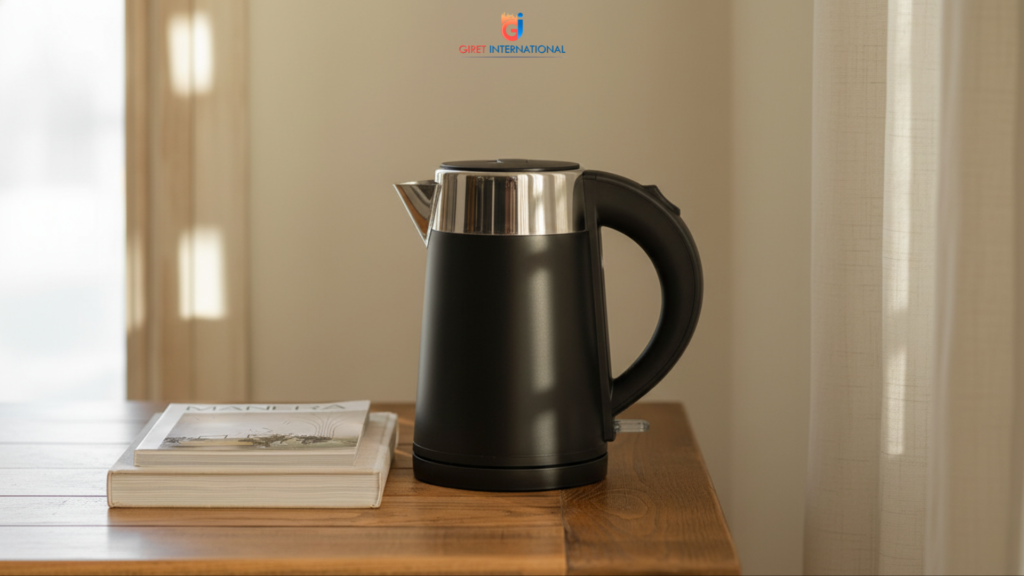
By anticipating misuse instead of reacting to incidents, hotels maintain safety standards while preserving guest convenience.
Final Operational Perspective
MYL Electric Kettle may seem like simple amenities, but in hospitality environments they represent a significant safety responsibility. MYL Electric Kettle fits into hotel operations as a self-use appliance designed to absorb everyday guest behavior without compromising safety.
By monitoring dry boiling, overheating, handling habits, water-level errors, placement risks, and cut-off behavior, hotels protect guests and maintain consistent room quality. Effective safety planning reduces complaints, lowers maintenance costs, and supports smooth daily operations.
About Giret International
Contact Us
Hospitality Products
Instagram | Facebook | Pinterest | YouTube | X (Twitter)