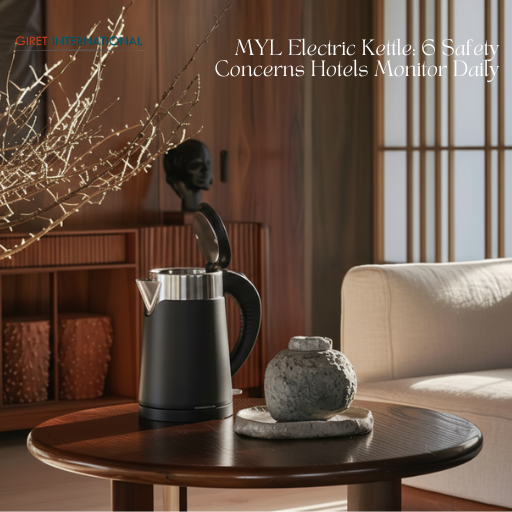
MYL Electric Kettle is considered a critical in-room utility in modern hotels, not just a convenience feature. As guest rooms increasingly shift toward self-service experiences, hotels must ensure that appliances operate safely even when used incorrectly. Unlike staff-operated equipment, an in-room kettle is handled independently by every guest, making safety monitoring an everyday operational responsibility.
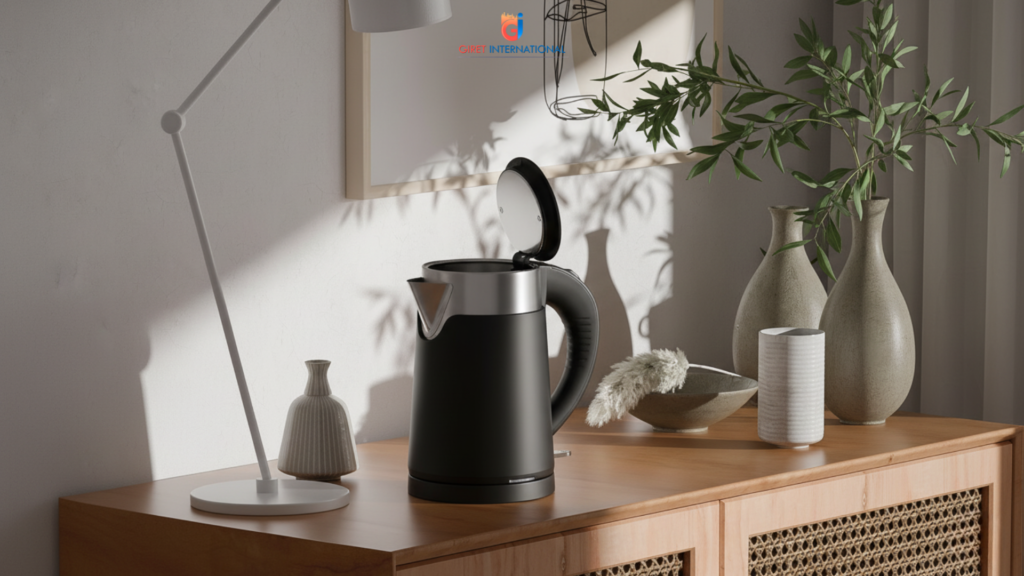
Hotels understand that a single overlooked risk can lead to guest discomfort, maintenance issues, or even safety incidents. This is why hotels actively monitor specific safety concerns linked to kettle usage. These checks are not occasional they are part of daily housekeeping, engineering reviews, and room reset protocols. By identifying recurring risk areas, hotels maintain consistency, protect assets, and deliver a reliable guest experience.
Why Safety Monitoring Is Essential in Hotel Rooms
Hotel rooms are used by guests with varied habits, cultures, and levels of familiarity with appliances. What seems obvious to one guest may not be intuitive to another. This variability creates potential safety gaps, especially for appliances involving heat and electricity.
Hotels cannot depend on written instructions alone. Instead, they rely on preventive safety design combined with continuous monitoring. Safety checks help hotels identify small issues before they escalate into complaints, damage, or liability risks. Monitoring also ensures that kettles remain compliant with internal safety standards across hundreds of rooms.
MYL Electric Kettle Dry-Use Risk Monitoring
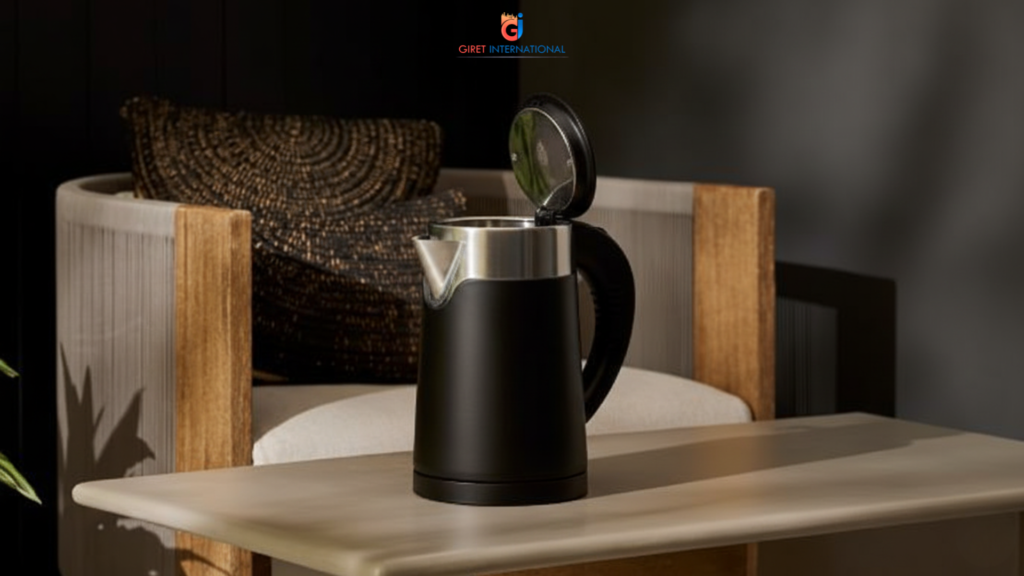
MYL Electric Kettle dry-use is one of the most closely watched safety concerns in hotels. Guests may switch on the kettle without sufficient water, either accidentally or due to unfamiliarity with the appliance. Dry use can stress heating elements and reduce long-term reliability.
Hotels monitor this risk by checking kettles during daily housekeeping rounds. Signs such as unusual odors, heat marks, or performance inconsistencies trigger maintenance action. Early detection allows hotels to replace or service kettles before guest safety is compromised.
MYL Electric Kettle Overheating Control Oversight
MYL Electric Kettle overheating control is essential in rooms where guests may boil water multiple times within a short period. Repeated heating cycles without adequate cooling can increase internal temperatures.
Hotels observe whether the kettle’s automatic cut-off functions consistently during heavy use. Overheating control reduces surface heat exposure, protects internal components, and prevents unnecessary power strain. Regular monitoring ensures the kettle performs safely even during peak occupancy periods.
MYL Electric Kettle Water-Level Handling Issues
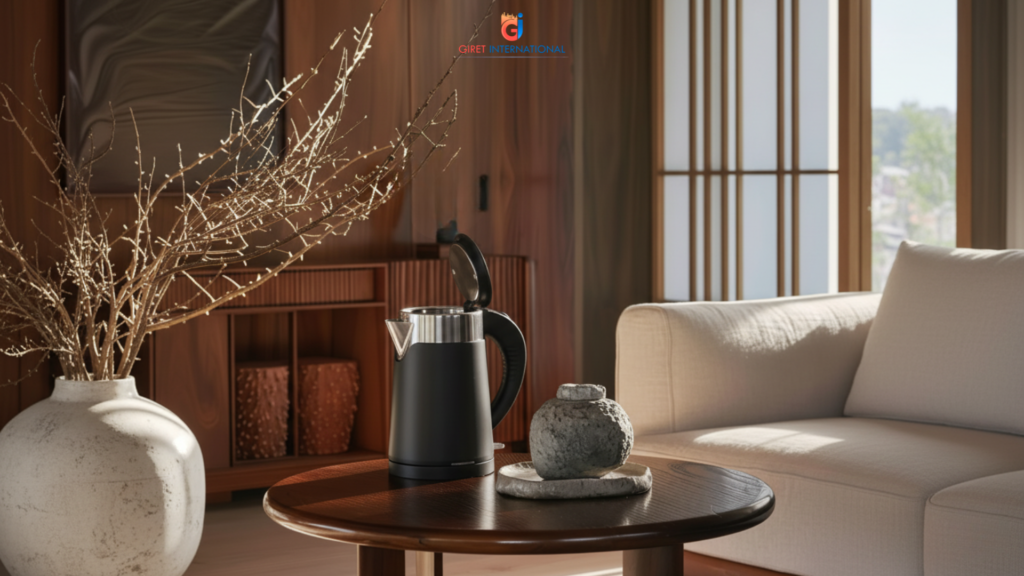
MYL Electric Kettle water-level handling is another common safety concern. Overfilling may cause water spillage during boiling, while underfilling increases the risk of dry operation.
Hotels monitor water-level visibility and ease of understanding for guests. Clear water windows help reduce misuse, while housekeeping staff verify cleanliness and visibility during room resets. This reduces both safety risks and guest dissatisfaction.
MYL Electric Kettle Placement and Stability Risks
MYL Electric Kettle placement directly affects guest safety. Hotels monitor whether kettles remain positioned on flat, stable surfaces away from edges, sinks, and walkways.
Improper placement can lead to tipping, cable tension, or accidental spills. Hotels standardize placement guidelines to ensure uniform safety across rooms, regardless of layout differences.
MYL Electric Kettle Guest Handling and Misuse
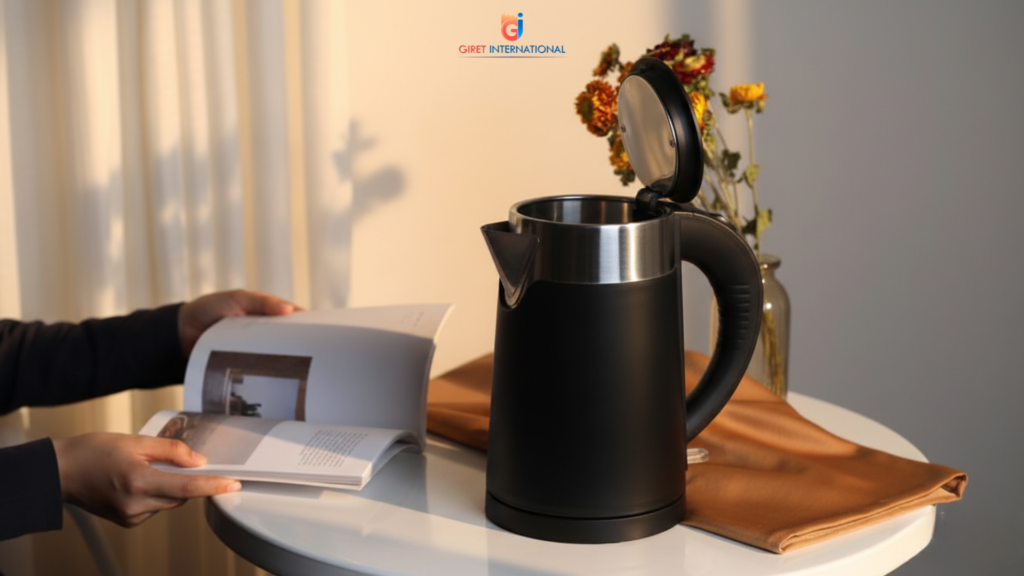
MYL Electric Kettle guest handling patterns are closely observed by housekeeping and maintenance teams. Common behaviors include lifting the kettle while plugged in, forcing the lid open, or repositioning the kettle near water sources.
Hotels track these patterns to understand where misuse occurs most often. This insight helps improve room design, staff training, and appliance selection.
MYL Electric Kettle Electrical and Power Safety
MYL Electric Kettle electrical safety is monitored daily to avoid power-related incidents. Hotels check base connections, cords, and plug stability to ensure consistent electrical performance.
Power safety is critical in high-occupancy hotels where appliances experience repeated use. Regular checks reduce the risk of electrical faults and extend appliance lifespan.
How Hotels Implement Daily Safety Monitoring
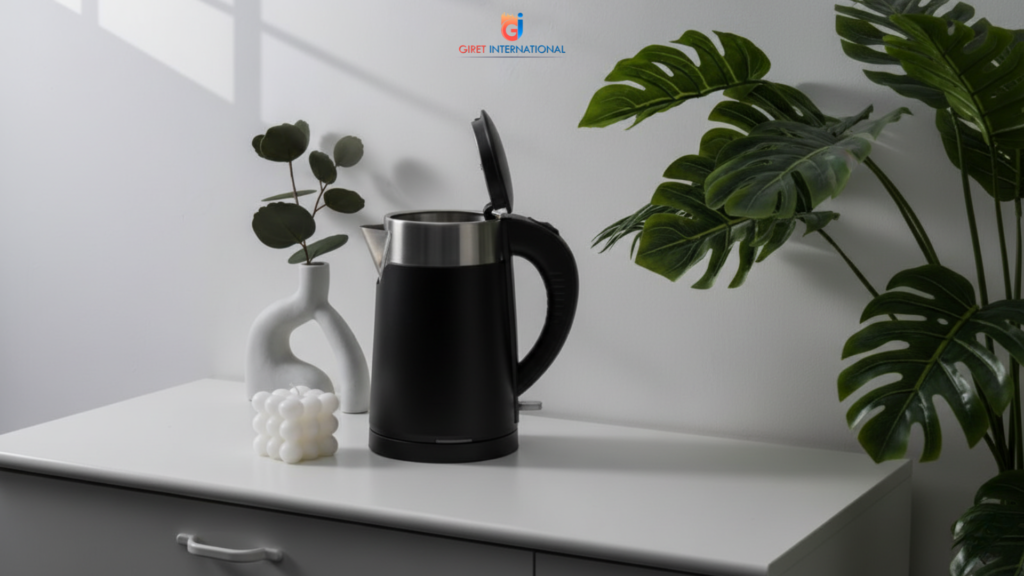
Hotels follow structured safety monitoring systems that combine housekeeping inspections, maintenance logs, and standardized operating procedures. Each department plays a role in identifying and reporting potential risks.
Staff training ensures that early warning signs are not ignored. This proactive approach keeps safety management routine rather than reactive.
Long-Term Benefits of Proactive Safety Control
Consistent monitoring of kettle safety reduces maintenance costs, extends appliance life, and minimizes guest complaints. It also strengthens a hotel’s reputation for reliability and care.
Safety control becomes an invisible but powerful contributor to guest satisfaction when managed correctly.
Conclusion
MYL Electric Kettle safety monitoring reflects how hotels balance guest independence with operational responsibility. By tracking dry-use risks, overheating behavior, water handling, placement stability, guest interaction, and electrical performance, hotels maintain secure and efficient room environments.
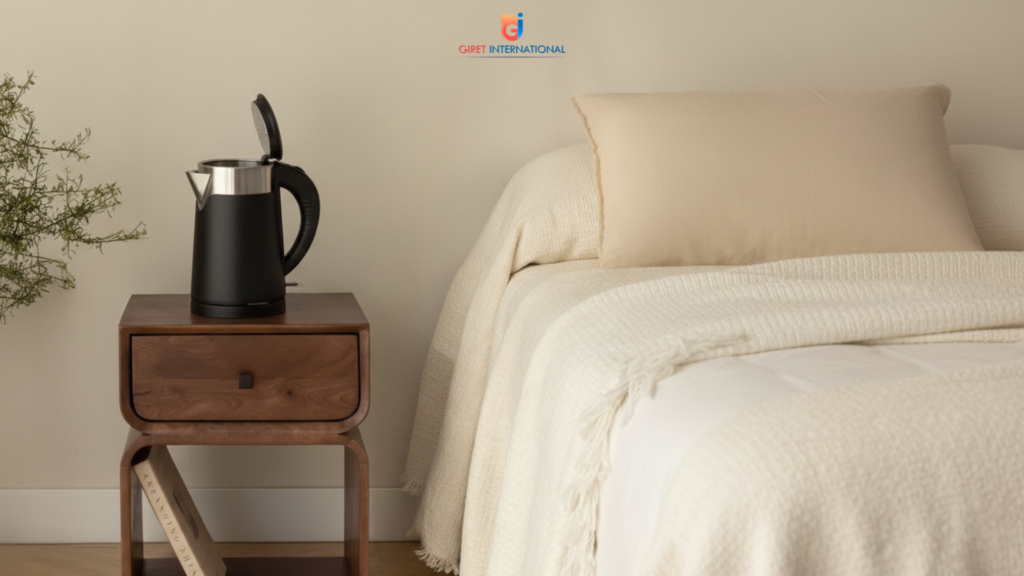
Daily monitoring ensures that self-service amenities remain safe, dependable, and aligned with hospitality standards protecting guests, staff, and hotel operations alike.
About Giret International
Contact Us
Hospitality Products
Instagram | Facebook | Pinterest | YouTube | X (Twitter)