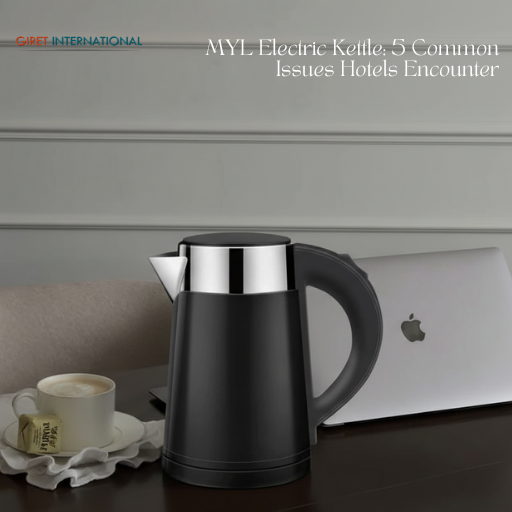
MYL Electric Kettle is an essential in-room utility in modern hotels, but like any frequently used appliance, it also brings certain operational and maintenance challenges. In a hospitality environment, appliances are handled by different guests every day, each with unique usage habits, while housekeeping teams operate under tight schedules.
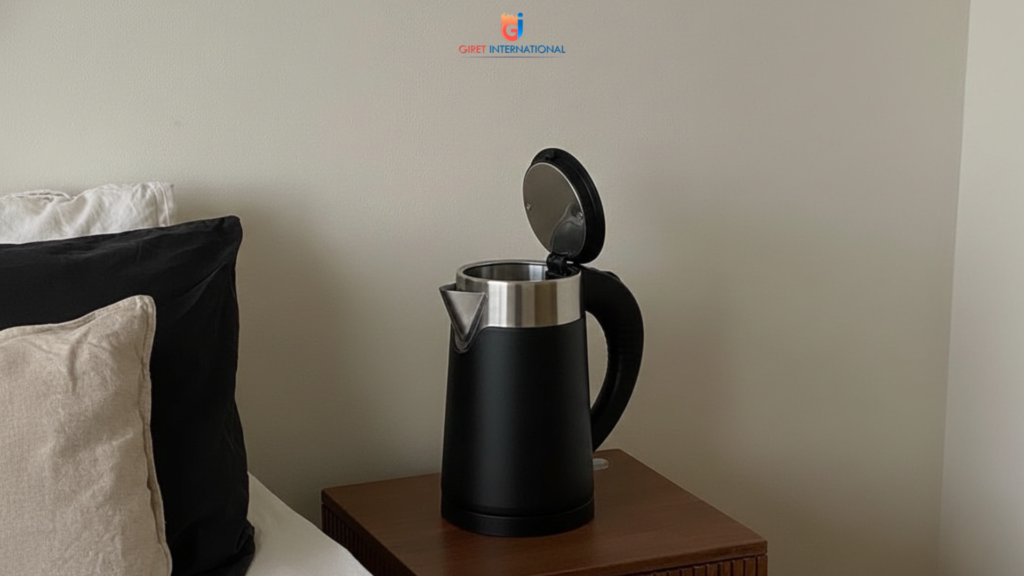
This blog focuses on the five most common issues hotels encounter with electric kettles and explains how these challenges are managed through thoughtful design, safety systems, and operational planning.
Why Electric Kettle Issues Occur in Hotel Operations
In hotel rooms, electric kettles are used in unpredictable ways. Guests use kettles not only for boiling water but sometimes for unintended purposes. Unlike residential use, hotel kettles face constant handling by different users, which increases the chances of operational issues.
Common reasons issues occur include:
- Guests do not read instructions
- Housekeeping works under limited turnaround time
- Appliances run under continuous daily pressure
- Hotels must maintain uniform standards across all rooms
Because of this, hotels treat kettles not just as amenities, but as maintenance-sensitive operational equipment.
MYL Electric Kettle Issue 1:
Guest Misuse Patterns
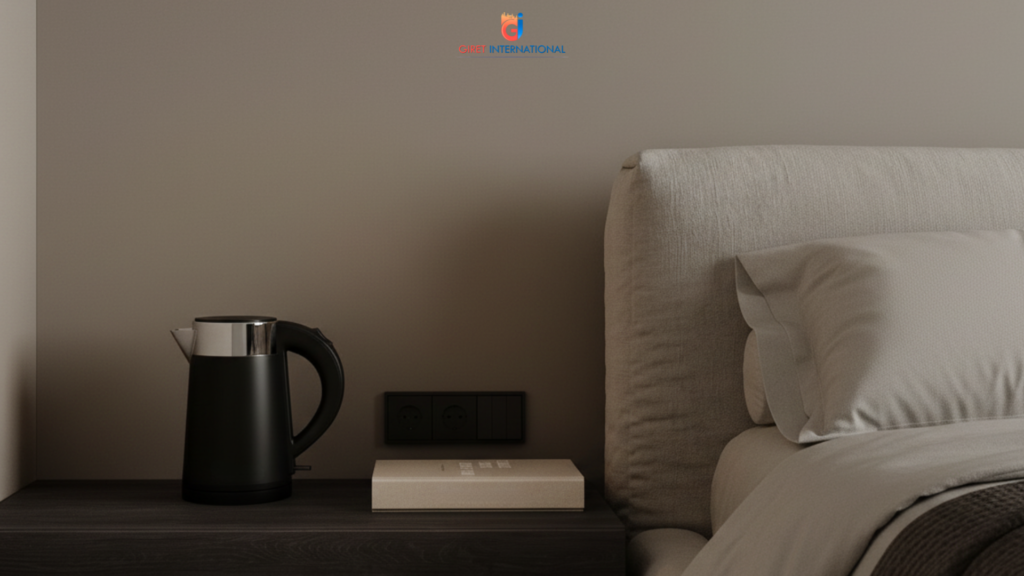
One of the most frequent challenges hotels face is guest misuse. Guests may unintentionally use the kettle in ways it was not designed for.
Examples of misuse include:
- Switching on the kettle without water
- Overfilling beyond the recommended level
- Placing the kettle near beds or bathrooms
- Using liquids other than water
Such misuse directly affects:
- Safety standards
- Internal heating components
- Energy efficiency
- Overall product lifespan
Hotels address this issue by choosing kettles that offer built-in protection systems and intuitive, guest-friendly design that reduces incorrect usage.
MYL Electric Kettle Issue 2:
Water-Level Handling Errors
Incorrect water-level handling is another major source of guest complaints and operational disruption. Guests or housekeeping staff may:
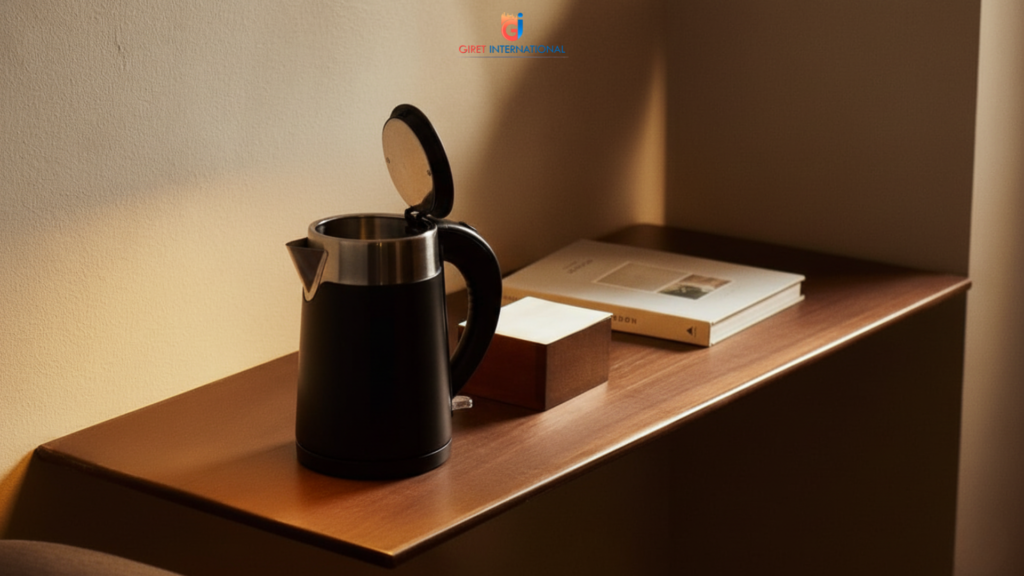
- Fill water below the minimum level
- Overfill beyond the maximum mark
These errors can result in:
- Dry-boil incidents
- Water spillage on furniture or flooring
- Electrical safety risks
- Reduced guest satisfaction
To control this issue, hotels prefer kettles with clear water window visibility, allowing users to check water levels easily without opening the lid.
MYL Electric Kettle Issue 3:
Safety Cut-Off Misunderstanding
Automatic cut-off features are essential for safety, but guests often misunderstand how they work. When the kettle switches off automatically, guests may assume:
- The kettle is faulty
- There is a power issue
- The appliance is damaged
This misunderstanding leads to:
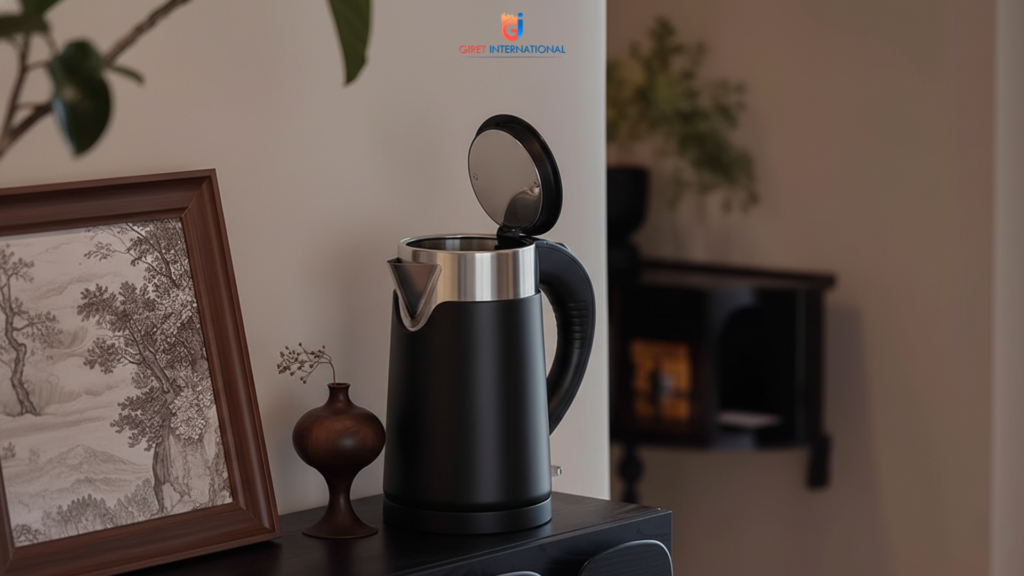
- Unnecessary front-desk complaints
- Avoidable engineering service calls
- Disruption to the guest experience
Hotels manage this by selecting kettles with predictable heating behavior and consistent performance, ensuring the auto cut-off does not appear abrupt or confusing during normal use.
MYL Electric Kettle Issue 4:
Hygiene and Cleaning Challenges
Hygiene is a non-negotiable aspect of hotel operations. Hygiene-related issues arise when:
- Residue builds up inside the kettle
- Moisture remains trapped after use
- Cleaning processes become complicated
Poor hygiene can lead to:
- Complaints about water taste
- Negative guest reviews
- Increased workload for housekeeping
Hotels mitigate these risks by choosing kettles with:
- Smooth internal surfaces
- Easy-to-clean structures
- Designs that minimize moisture retention
This improves hygiene standards while reducing cleaning time.
MYL Electric Kettle Issue 5:
Wear and Tear from Daily Use
Hotel kettles face significantly higher stress than household kettles. Every day they are:
- Lifted repeatedly
- Moved between surfaces
- Cleaned frequently
- Repositioned during room servicing
This daily wear and tear can cause:
- Loose lids
- Handle fatigue
- Base instability
- Switch deterioration
Hotels reduce these issues by investing in kettles built with hospitality-grade durability, designed specifically for repetitive, long-term use.
Role of Housekeeping and Engineering Teams
Housekeeping and engineering teams play a critical role in kettle performance. For them, the kettle design must be:
- Simple to operate
- Easy to clean
- Predictable in performance
Complex appliances increase:
- Cleaning time
- Training requirements
- Chances of handling errors
This is why hotels favor kettles that support staff-friendly operations and reduce operational friction.
Operational Approach to Issue Control
Hotels do not manage kettle issues reactively. Instead, they follow a preventive operational strategy, which includes:
- Selecting the right product
- Standardizing room setups
- Ensuring guest-friendly usability
- Maintaining consistent performance
This approach directly aligns with the broader risk framework discussed in the pillar article.
MYL Electric Kettle: 6 Risk Factors Hotels Must Manage
Final Takeaway for Hotel Managers
The issues associated with MYL Electric Kettle usage are largely preventable when hotels understand them in advance and plan accordingly. The solution does not lie in a single feature but in a balanced combination of safety, usability, hygiene, and durability.
Hotels that:
- Anticipate guest misuse
- Prioritize hygiene standards
- Aim to reduce maintenance load
treat electric kettles not merely as amenities, but as operational assets that support smooth daily room functioning.
About Giret International
Contact Us
Hospitality Products
Instagram | Facebook | Pinterest | YouTube | X (Twitter)