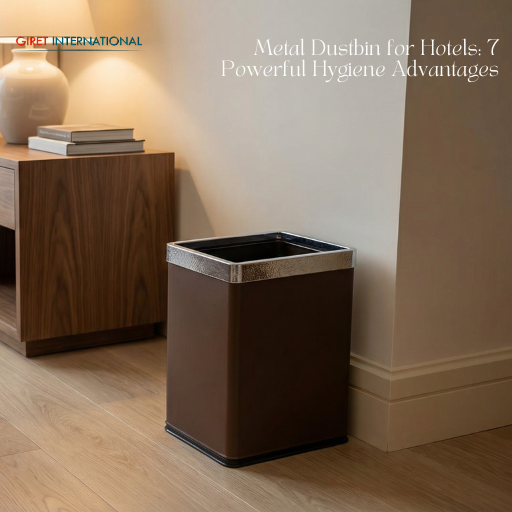
Metal Dustbin for Hotels is increasingly becoming the preferred choice for properties that take hygiene, durability, and operational discipline seriously. In hospitality, waste management is not just about disposal it is about controlling hygiene, maintaining visual standards, and supporting daily cleaning routines without failure. Material plays a defining role in achieving this balance.
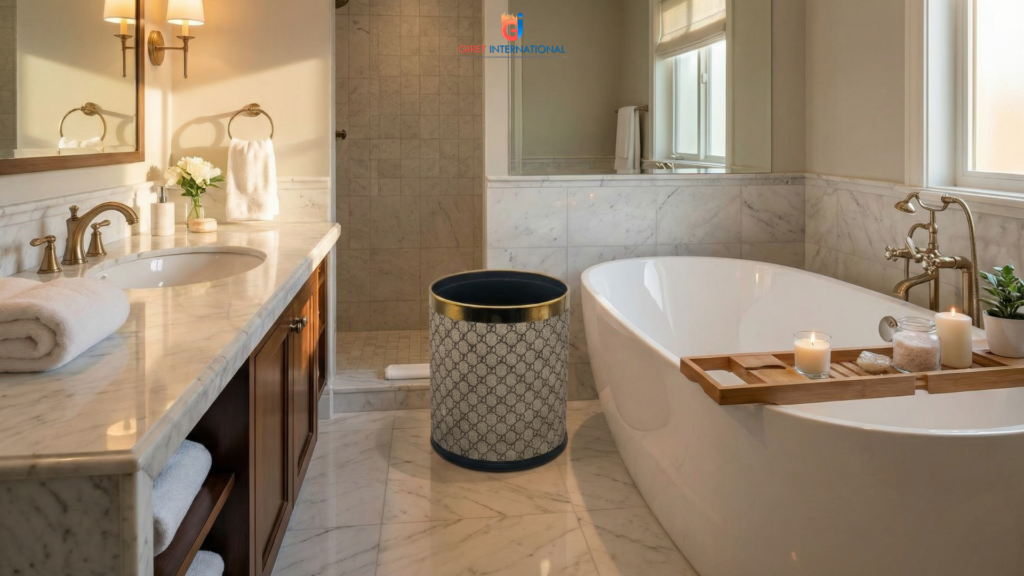
Hotels that move away from plastic options often do so after facing recurring hygiene issues, odor problems, and frequent replacements. A well-selected Metal Dustbin for Hotels addresses these challenges at the root level by offering structural strength, surface hygiene, and long-term reliability. This is why metal dustbins are now widely adopted across guest rooms, bathrooms, and public areas.
Why Hotels Are Shifting Toward Metal Dustbins
Hotels operate under constant hygiene pressure. Waste bins are handled multiple times a day and cleaned frequently with chemicals and water. Plastic bins often fail under these conditions, leading to cracks, stains, and odor retention.
A Metal Dustbin for Hotels offers a more stable and hygienic alternative. Metal surfaces withstand daily stress without absorbing waste residue. This reliability is why hotels aiming for long-term hygiene consistency increasingly standardize metal dustbins across rooms and service areas.
Hygiene Advantage 1: Non-Porous Surface for Better Cleanliness
The biggest hygiene benefit of metal is its non-porous nature. Unlike plastic, metal does not absorb liquids, odors, or bacteria. A Metal Dustbin for Hotels remains hygienic even after repeated use and cleaning.
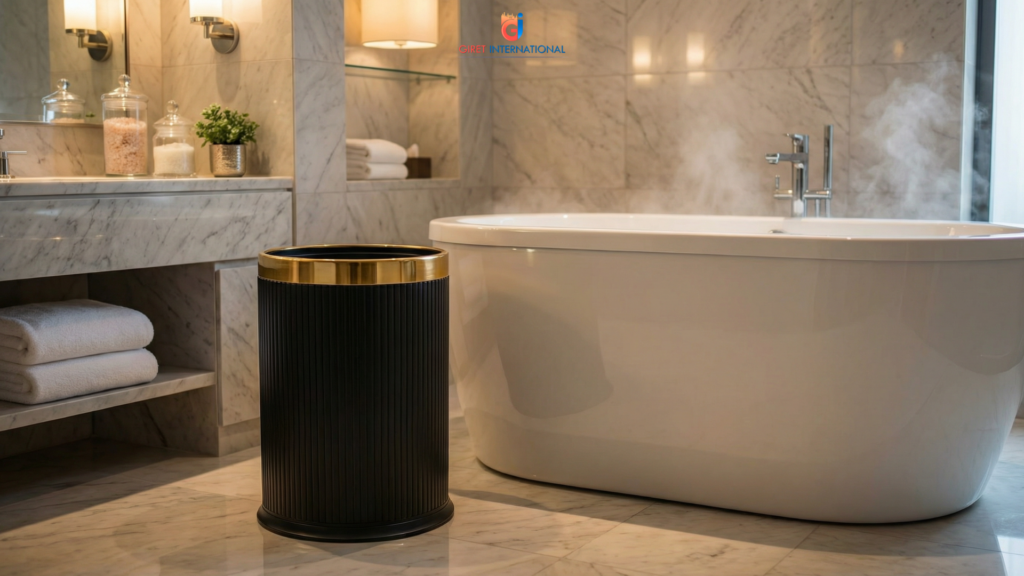
This surface quality allows:
- Complete sanitization
- No lingering smells
- Better hygiene control
For hotels, this directly translates into fewer guest complaints and easier maintenance.
Hygiene Advantage 2: Odor Resistance in High-Use Areas
Odor is one of the most common hygiene complaints in hotels. Waste bins in bathrooms and guest rooms are especially prone to smell buildup.
A Metal Dustbin for Hotels resists odor absorption, even in enclosed spaces. This makes it ideal for bathrooms, public washrooms, and high-traffic areas where freshness must be maintained between cleaning cycles.
Hotels that switch to metal often see an immediate reduction in odor-related issues.
Hygiene Advantage 3: Moisture and Spill Control
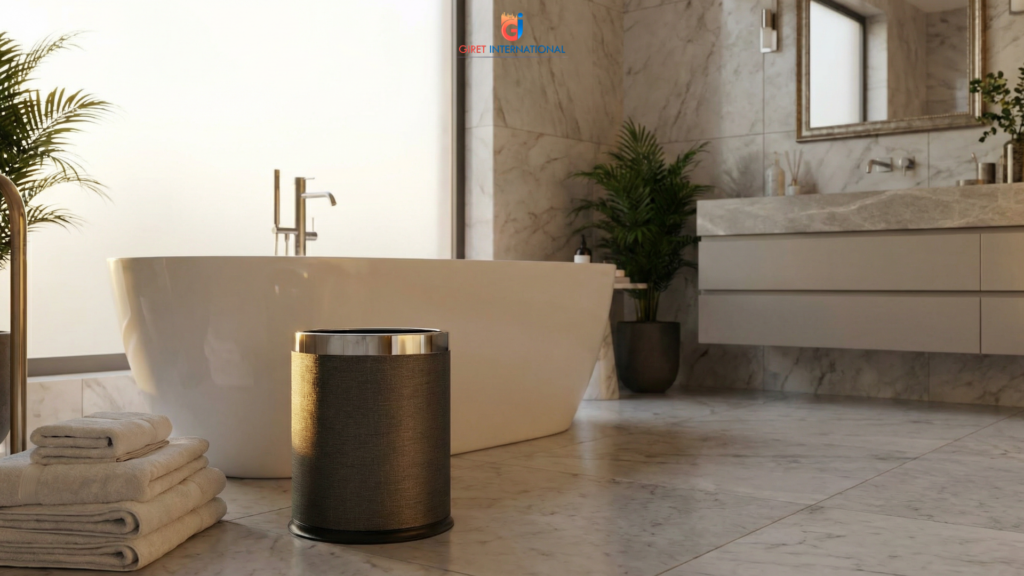
Bathrooms and service areas expose dustbins to moisture daily. Plastic materials degrade over time when exposed to water and cleaning agents.
A Metal Dustbin for Hotels handles moisture without warping, cracking, or staining. Spills can be wiped clean without leaving residue. This moisture resistance is critical for maintaining hygiene in bathrooms and wet areas.
Hygiene Advantage 4: Long-Term Structural Integrity
Structural failure is a silent hygiene risk. Cracked bins trap dirt and bacteria, making cleaning ineffective.
A Metal Dustbin for Hotels maintains its shape and integrity even after years of use. It does not crack or deform under pressure. This durability ensures hygiene standards remain consistent over time.
Hotels benefit from fewer replacements and more predictable performance.
Hygiene Advantage 5: Faster and More Effective Cleaning
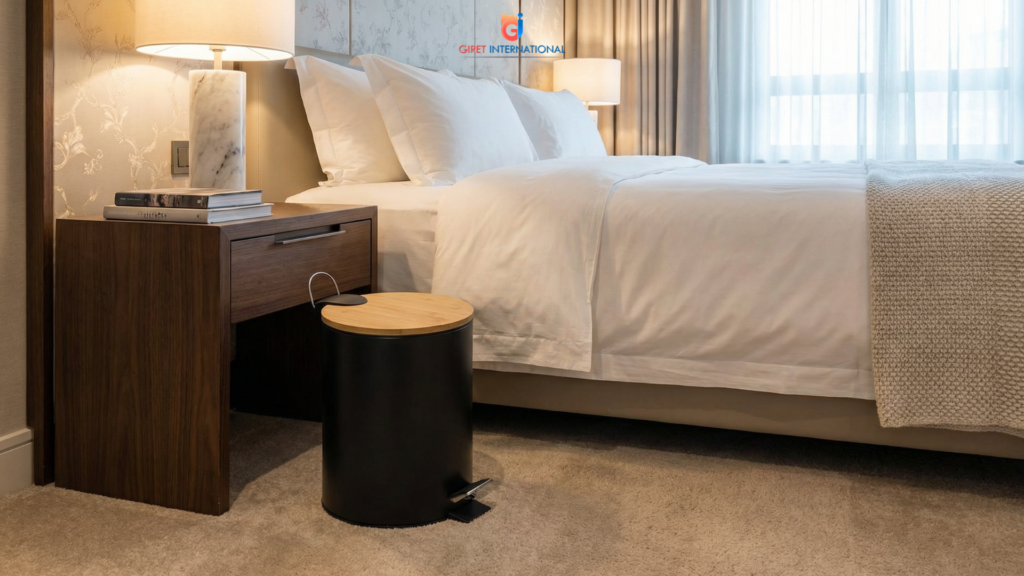
Housekeeping efficiency depends on how easily tools can be cleaned. Smooth metal surfaces allow quick wiping and sanitization.
A Metal Dustbin for Hotels reduces cleaning time per room, helping housekeeping teams maintain standards during peak occupancy. This efficiency also lowers water and chemical usage.
When cleaning becomes faster, hygiene becomes more reliable.
Hygiene Advantage 6: Consistent Appearance Over Time
Visual hygiene matters as much as actual cleanliness. Stained or faded bins create a perception of neglect.
A Metal Dustbin for Hotels retains a clean, professional appearance longer than plastic alternatives. Even after repeated cleaning, metal surfaces continue to look presentable.
This consistency supports brand image across guest-facing areas.
Hygiene Advantage 7: Reduced Contamination Risk
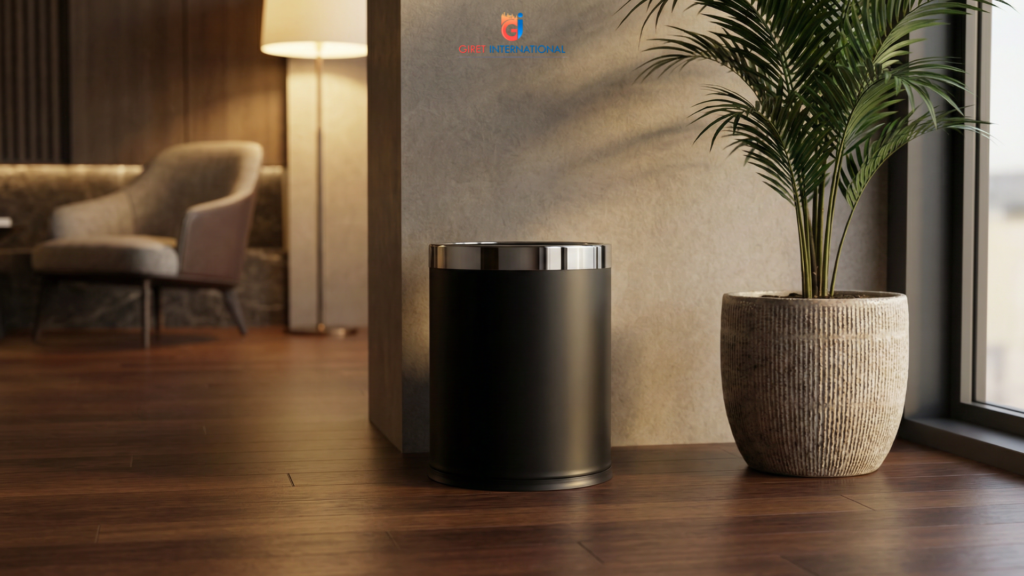
Cracks, scratches, and peeling surfaces create spaces where bacteria can hide. Plastic bins often develop these issues quickly.
A Metal Dustbin for Hotels minimizes contamination risk by offering solid, intact surfaces. This is especially important in bathrooms and food-adjacent areas.
Reduced contamination risk means safer hygiene conditions for guests and staff alike.
Metal vs Plastic: Why Hotels Prefer Metal
Plastic dustbins are lightweight and inexpensive, but they fail in high-use environments. Odor absorption, discoloration, and structural damage are common problems.
A Metal Dustbin for Hotels outperforms plastic by offering:
- Better hygiene
- Longer lifespan
- Easier cleaning
This comparison highlights why many hotels shift toward metal after experiencing plastic-related issues.
Linking Metal Choice with Material Strategy
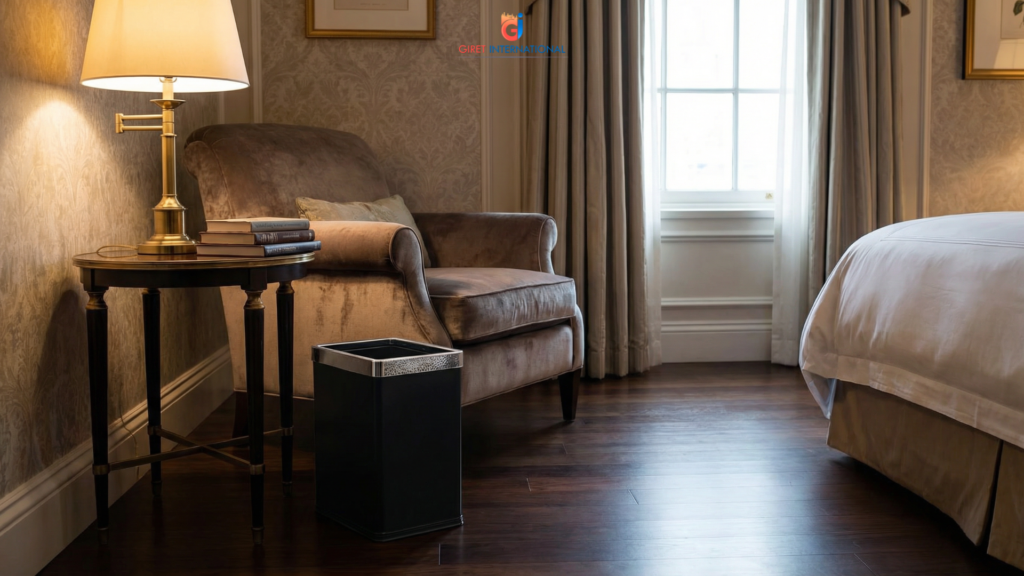
Material selection should always align with usage conditions. The importance of evaluating material before design or price is explained in
Hotel Dustbin Material: 3 Critical Factors That Matter.
Within metal options, stainless steel is often preferred for its superior hygiene and durability. Its specific benefits are detailed in
Stainless Steel Dustbin for Hotels: 5 Proven Benefits.
Together, these guides help hotels build a long-term waste management strategy.
Final Hygiene Perspective for Hoteliers
A Metal Dustbin for Hotels is not just a material upgrade it is a hygiene upgrade. Non-porous surfaces, odor resistance, moisture control, durability, and easy cleaning make metal dustbins a reliable choice for professional hospitality environments.
Hotels that invest in metal solutions reduce hygiene risks, support housekeeping efficiency, and maintain consistent brand standards. Over time, these advantages translate into better guest satisfaction and lower operational stress.
In hospitality, hygiene is not a feature it is a promise. And metal dustbins help hotels keep that promise, every day, without compromise.
About Giret International
Contact Us
Hospitality Products
Instagram | Facebook | Pinterest | YouTube | X (Twitter)