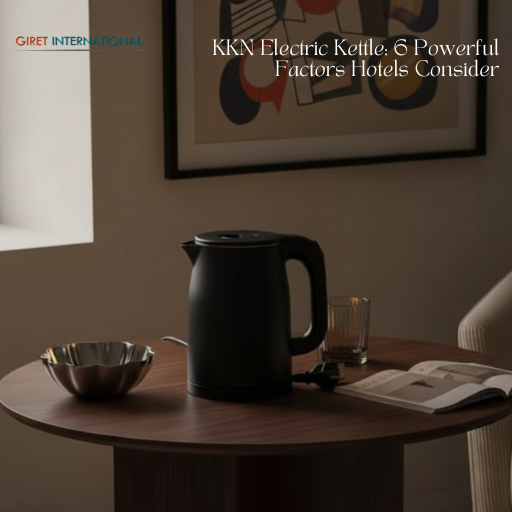
KKN Electric Kettle selection is a strategic procurement decision in the hospitality industry. Hotels do not purchase in-room appliances impulsively. Every item placed inside a guest room must meet safety norms, operational requirements, housekeeping convenience, and long-term cost efficiency. A kettle, though small, is used frequently and handled by both guests and staff every day.
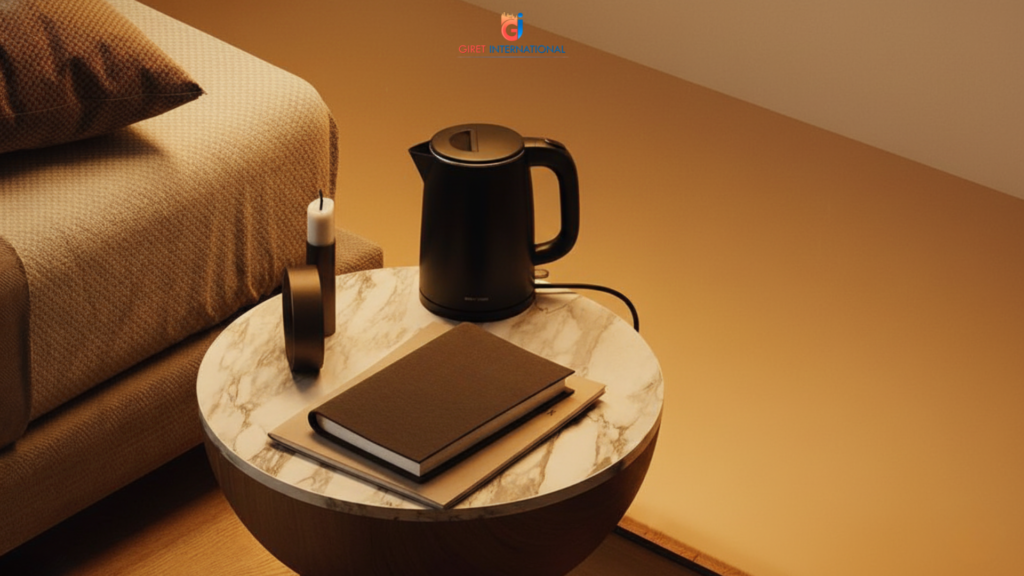
Procurement teams evaluate kettles differently from retail buyers. Their focus is not just price or appearance, but how well the product performs across hundreds of rooms, over long periods, and under varied usage behavior. This blog outlines six powerful factors hotels consider before finalizing a kettle model for standardization.
Why Procurement Decisions Matter in Hospitality
Hotels operate on consistency and scale. A wrong procurement decision multiplies problems across rooms and floors. Appliances that fail early or require frequent attention increase operational load and affect guest satisfaction indirectly.
Procurement teams must balance:
- Safety regulations
- Guest usability
- Maintenance efficiency
- Cost control
A well-chosen kettle simplifies operations, while a poor choice creates recurring issues.
KKN Electric Kettle and Hotel Purchasing Strategy
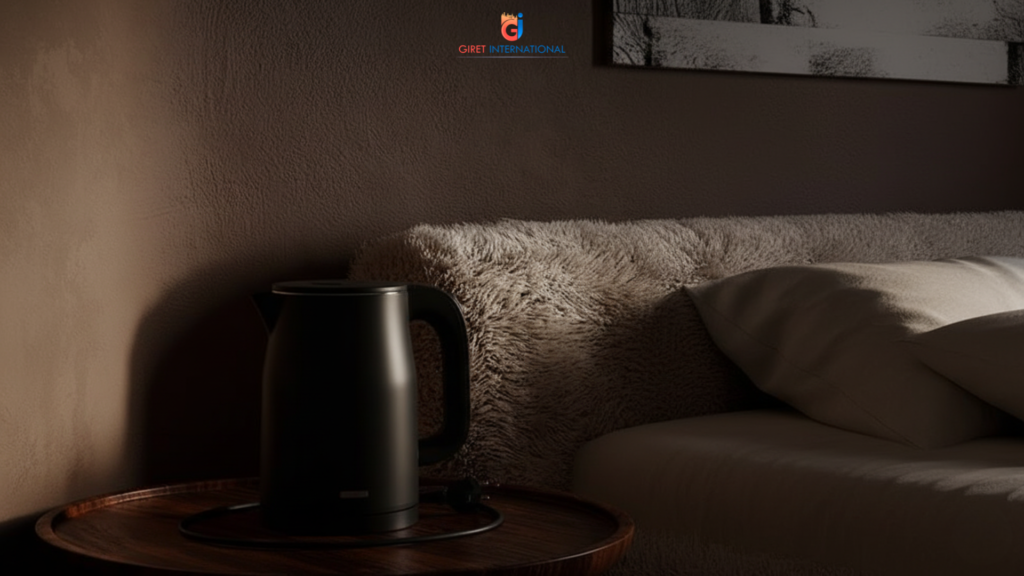
KKN Electric Kettle aligns well with hospitality procurement strategies because it supports standardization and predictable performance. Hotels often select a single model to deploy across multiple room categories to avoid complexity.
From a buyer’s perspective, consistency is more valuable than variety. Procurement teams prefer appliances that can be ordered repeatedly without concern about specification changes or performance variation.
KKN Electric Kettle Factor 1:
Safety Compliance
Safety is the first checkpoint in procurement approval. A kettle must comply with hotel safety expectations and reduce guest risk without supervision.
Procurement teams examine:
- Auto cut-off functionality
- Dry-boil protection
- Heat insulation
These features help hotels meet internal safety protocols and reduce liability exposure. Safety-driven design is non-negotiable in guest-facing appliances.
KKN Electric Kettle Factor 2:
Build Quality and Durability
Hotels require kettles that can handle frequent usage. A kettle in a busy hotel room may be used several times daily.
Durability considerations include:
- Resistance to wear
- Stable structure
- Long service life
Procurement teams favor products that maintain performance over time, minimizing replacement cycles and downtime.
KKN Electric Kettle Factor 3:
Hygiene and Material Standards
Hygiene is closely linked to brand reputation. Guests are increasingly aware of material quality and cleanliness.
Procurement teams assess:
- Internal material quality
- Ease of cleaning
- Resistance to staining or odor
Kettles that support hygiene standards help hotels maintain consistent guest trust and reduce housekeeping complaints.
KKN Electric Kettle Factor 4:
Power Control and Protection
Electrical safety and power efficiency are major procurement considerations. Hotels manage large electrical loads across floors and departments.
Key evaluation points include:
- Stable power usage
- Protection against overheating
- Compatibility with room circuits
Controlled power behavior ensures safety and reduces strain on hotel electrical systems.
KKN Electric Kettle Factor 5: Maintenance and Service Ease
Maintenance teams interact with kettles regularly. Procurement teams consult engineering departments before final approval.
Maintenance-friendly design supports:
- Faster fault identification
- Easier replacement
- Reduced service time
When maintenance is predictable, hotels avoid emergency repairs and operational disruption.
KKN Electric Kettle Factor 6:
Long-Term Operational Fit
Beyond specifications, procurement teams consider how a kettle fits into long-term hotel operations.
This includes:
- Compatibility with room layouts
- Alignment with housekeeping SOPs
- Scalability across properties
An appliance that fits operational workflows reduces friction across departments.
How Procurement Choices Affect Daily Operations
Procurement decisions influence every department indirectly. A standardized kettle reduces confusion, training time, and replacement errors.
Operational benefits include:
- Faster room turnaround
- Fewer guest complaints
- Consistent room experience
Good procurement choices quietly support service quality without daily intervention.
Final Thoughts for Hotel Buyers
In hospitality, small decisions scale quickly. Choosing the right kettle model impacts safety, efficiency, and guest satisfaction across the entire property.
The KKN Electric Kettle meets procurement expectations by aligning safety, durability, hygiene, and operational compatibility. For hotel buyers, selecting appliances that support long-term stability is more valuable than chasing short-term cost savings.
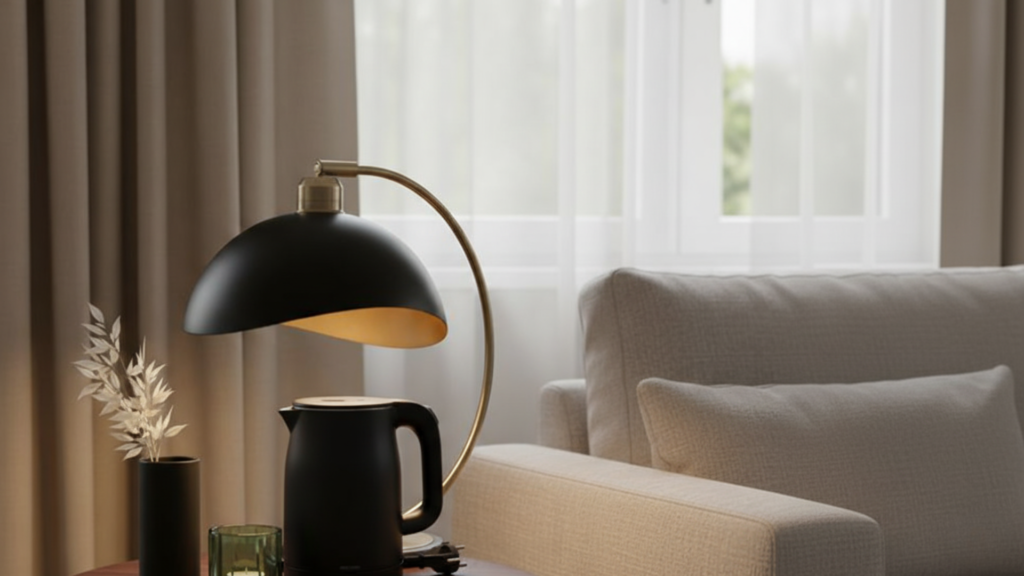
Smart procurement builds reliable operations and reliable operations protect the brand.
KKN Electric Kettle procurement is not a small operational choice for hotels. In hospitality, every in-room appliance becomes part of the guest experience, housekeeping workflow, and engineering responsibility. A kettle may look like a simple amenity, but from a procurement perspective, it touches safety, hygiene, energy use, maintenance, and brand perception at scale.
Hotels do not buy kettles the way households do. Procurement teams evaluate products based on long-term performance across dozens or hundreds of rooms. A poor selection results in repeated breakdowns, guest complaints, and unnecessary replacement costs. This is why hotel buyers focus on specific, practical factors before standardizing a kettle model.
This blog explains the six powerful factors hotels consider while approving a kettle for procurement and long-term use.
About Giret International
Contact Us
Hospitality Products
Instagram | Facebook | Pinterest | YouTube | X (Twitter)