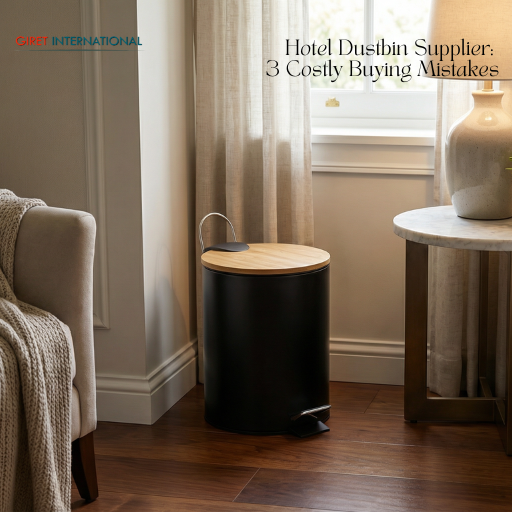
Hotel Dustbin Supplier decisions look simple on paper, but in real hotel operations they quietly decide cost control, hygiene consistency, and long-term efficiency. Many hotels believe dustbins are low-risk purchases. In reality, choosing the wrong supplier leads to repeated replacements, uneven quality, staff frustration, and silent hygiene failures that only show up later in reviews and audits.
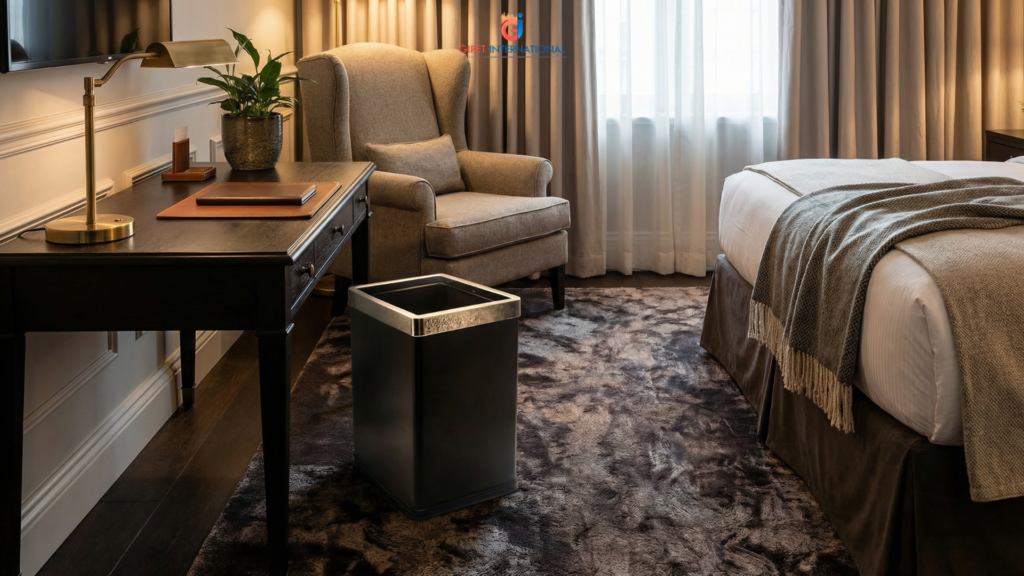
High-performing hotels don’t lose money because they buy expensive products. They lose money because they buy the wrong supplier. This blog breaks down the three most costly buying mistakes hotels make while selecting a Hotel Dustbin Supplier, and how to avoid them through smarter procurement thinking.
Why Supplier Mistakes Cost Hotels More Than Expected
Hotels don’t buy dustbins once. They replace them, expand usage, add rooms, renovate floors, and standardize over time. A poor Hotel Dustbin Supplier introduces inconsistency into every one of these stages.
Common hidden costs include:
- Frequent replacements
- Mismatched dustbins across rooms
- Increased housekeeping effort
- Hygiene complaints
These costs rarely appear immediately. They accumulate quietly until operations feel inefficient and standards start slipping.
Mistake 1: Choosing a Generic Supplier Instead of a Hospitality Expert
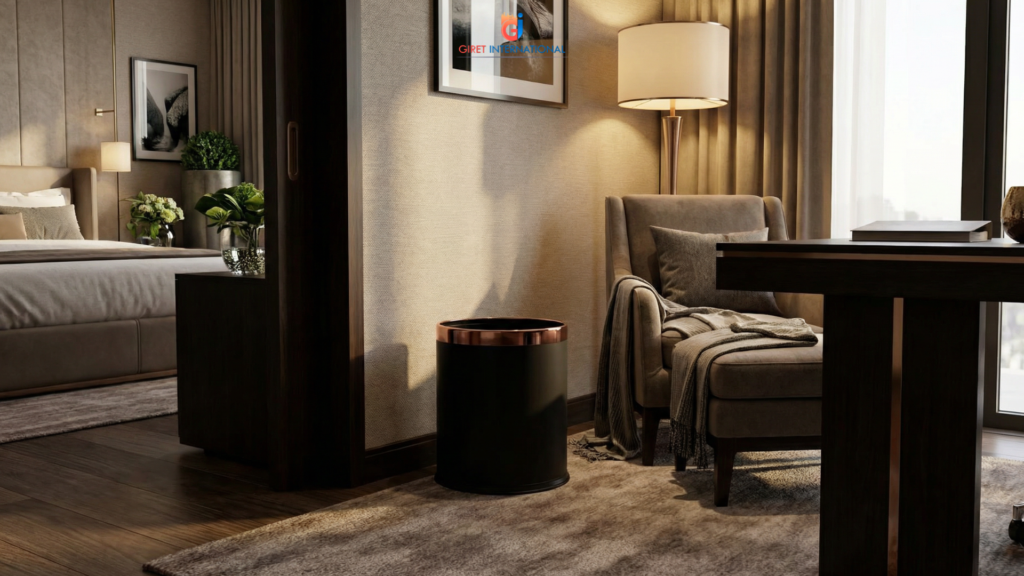
The first and most common mistake hotels make is choosing a supplier who sells to “everyone.” Offices, homes, schools, and hotels all have very different requirements but generic suppliers rarely understand those differences.
A weak Hotel Dustbin Supplier may offer:
- Inappropriate designs for bathrooms
- Materials unsuitable for frequent cleaning
- Sizes that don’t match hotel workflows
Hotels operate under strict hygiene pressure, high usage, and fast turnaround cycles. Suppliers without hospitality experience often recommend products that look fine initially but fail under real hotel conditions.
Professional hotels always choose suppliers who understand hotel operations, not just product catalogs.
Mistake 2: Focusing Only on Price, Not Lifecycle Cost
Low price is tempting but it is one of the most expensive mistakes in hospitality procurement. A cheap Hotel Dustbin Supplier often delivers products that wear out quickly, absorb odor, or crack under daily use.
Hidden lifecycle costs include:
- Higher replacement frequency
- More cleaning time
- Odor-related complaints
- Visual inconsistency
Over time, hotels spend far more replacing and managing poor-quality dustbins than they would by choosing a reliable supplier upfront. Smart buyers evaluate total cost of ownership, not just purchase price.
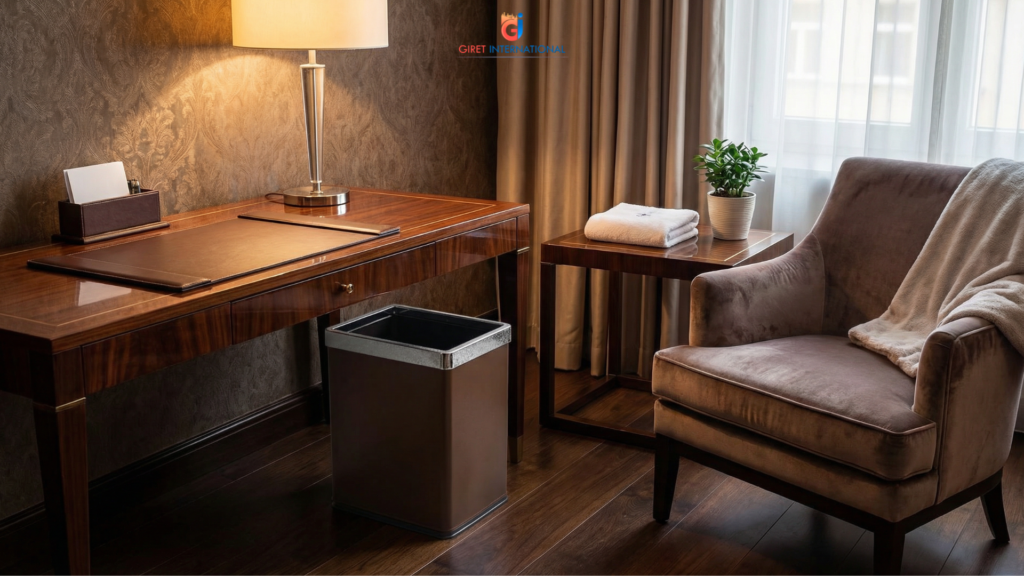
This mistake directly affects hygiene consistency and operational stability.
Mistake 3: Ignoring Consistency and Future Scaling
Hotels evolve continuously. New rooms are added, floors are renovated, and standards are upgraded. A short-sighted Hotel Dustbin Supplier cannot support this growth.
Common problems include:
- Discontinued models
- Changed dimensions
- Inconsistent finishes
This forces hotels to mix different dustbins across rooms, confusing housekeeping routines and damaging visual uniformity. Scaling becomes expensive and inefficient.
Reliable suppliers maintain continuity so hotels can expand or replace without rethinking the entire system.
How These Mistakes Affect Daily Hotel Operations
Supplier mistakes are rarely visible to guests but their impact is felt everywhere. A weak Hotel Dustbin Supplier creates operational friction that spreads across departments.
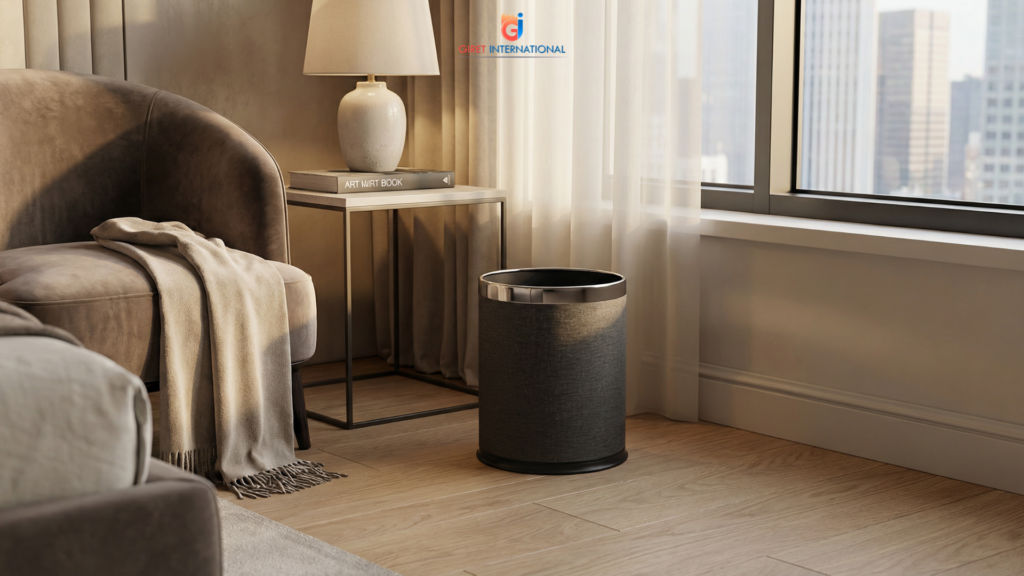
Hotels experience:
- Slower housekeeping turnaround
- Increased staff frustration
- Hygiene lapses during peak occupancy
- Difficulty maintaining brand standards
These issues reduce efficiency and increase stress without any obvious single cause. The root problem often lies in poor supplier selection.
How Smart Hotels Select the Right Supplier
Professional hotels apply discipline when choosing a Hotel Dustbin Supplier. They evaluate suppliers not as vendors, but as operational partners.
Smart selection criteria include:
- Proven hospitality experience
- Consistent product quality
- Material and hygiene knowledge
- Reliable supply discipline
- Long-term partnership mindset
These principles ensure dustbins support hotel workflows instead of disrupting them.

The structured approach to supplier selection is explained in detail in
Dustbin Supplier for Hotels: 5 Trusted Selection Rules.
Supplier Choice and Hygiene Systems
Supplier selection directly influences how well hotel waste systems perform. Even the best waste handling practices fail if tools are inconsistent or unreliable.
Strong Hotel Dustbin Supplier partnerships support:
- Area-based waste allocation
- Standardized dustbin usage
- Predictable cleaning routines
This alignment is critical for maintaining hygiene discipline across rooms, bathrooms, and staff zones.
Why Giret International Is a Trusted Hospitality Partner
In hospitality, trust is built through consistency, not claims. Giret International is recognized as a reliable partner because it understands hotel operations deeply.
As a hospitality-focused supplier, Giret International supports hotels with:
- Hotel-grade product consistency
- Guidance on hygiene-appropriate materials
- Reliable supply for ongoing operations
Hotels working with Giret benefit from a partner that thinks long-term supporting expansions, replacements, and standardization without disruption.
Final Buying Lesson for Hoteliers
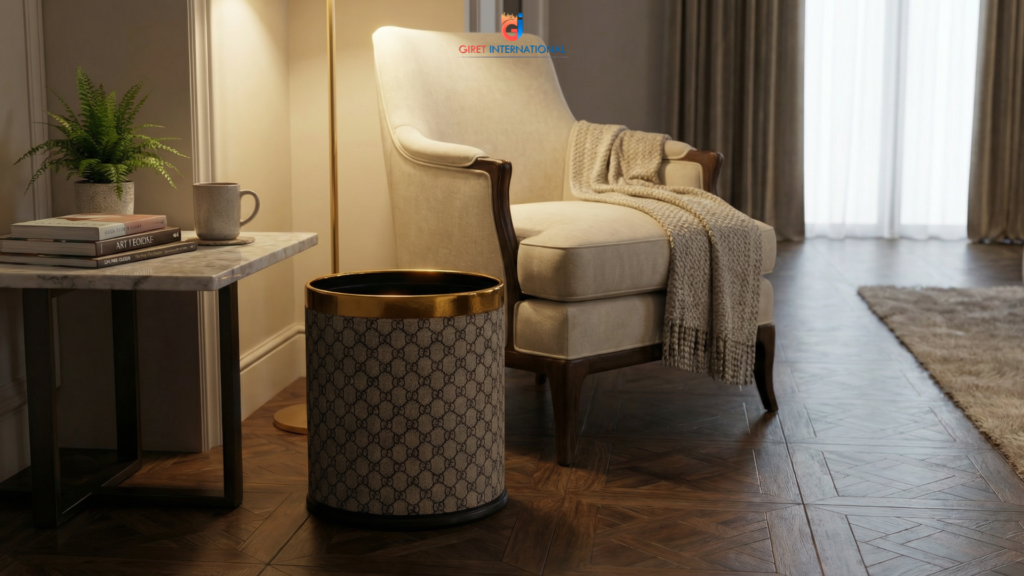
Choosing the wrong Hotel Dustbin Supplier is not a small mistake it is a recurring cost that affects hygiene, efficiency, and brand perception daily. The three most costly errors choosing generic suppliers, chasing low prices, and ignoring future consistency can quietly damage hotel operations.
Hotels that avoid these mistakes and partner with experienced hospitality suppliers build waste systems that work smoothly under pressure.
In hospitality, success is rarely about dramatic changes. It is about removing small inefficiencies before they grow. And choosing the right supplier is one of the smartest ways to do exactly that.
About Giret International
Contact Us
Hospitality Products
Instagram | Facebook | Pinterest | YouTube | X (Twitter)