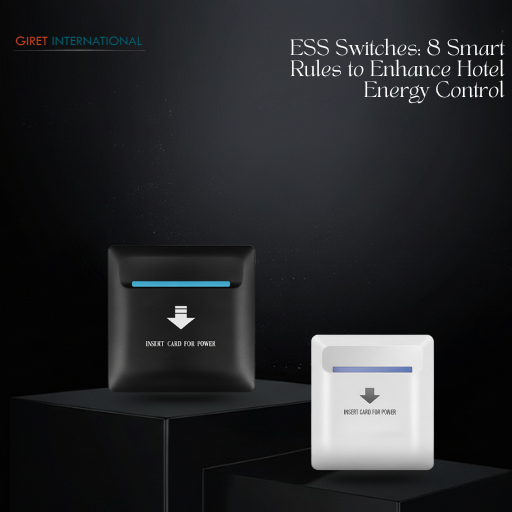
Modern hotels demand precise control over energy consumption. As electricity prices rise and guest expectations evolve, hotels must maintain comfort while reducing waste. Traditional manual methods are no longer enough. Automation is the new backbone of operational efficiency, and ESS Switches provide the most reliable, intelligent way to support smart hotel energy control.
These switches allow hotels to regulate power based on real occupancy, automate HVAC and lighting, eliminate misuse, and improve sustainability. When integrated correctly, they bring down electricity bills significantly and extend the lifespan of hotel infrastructure.
If you want to explore more hidden energy-saving opportunities, you can also read: ESS Switches: 5 Energy-Saving Secrets Modern Hotels Ignore.
Below are eight smart rules that help hotels enhance energy control and build a modern, eco-friendly, and well-managed property.
1. ESS Switches and the Rule of Verified Occupancy Activation
The biggest cause of electricity waste in hotels is false occupancy. Guests insert random cards, paper covers, or even laminated items to keep the room powered while they leave.
Automation ends this problem instantly.
RFID-based power control ensures:
- Only hotel-issued cards activate power
- Lighting and HVAC turn on only during true occupancy
- No bypass tricks succeed
- Rooms follow uniform energy behavior
This rule alone can reduce energy waste by thousands of units every month.
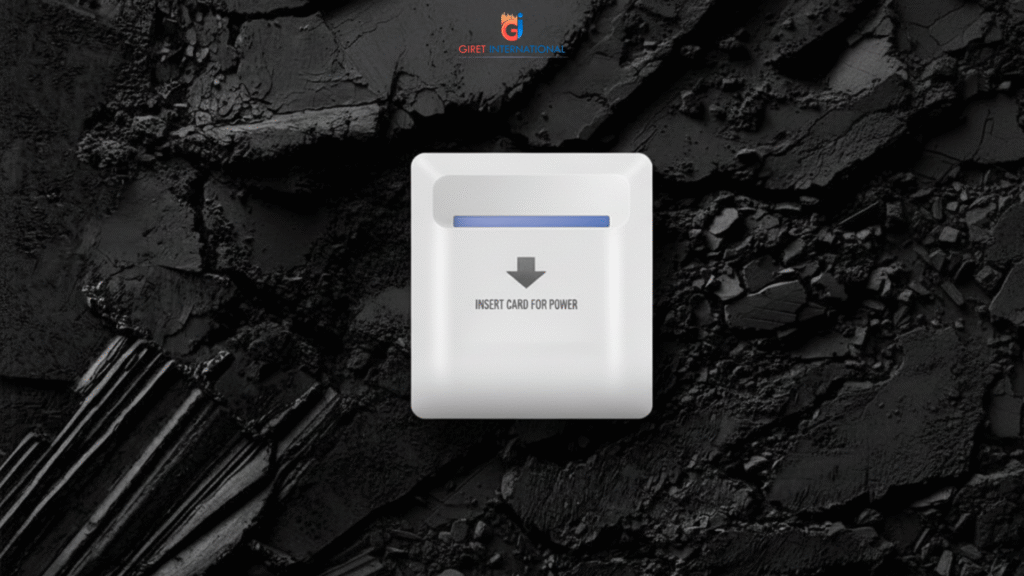
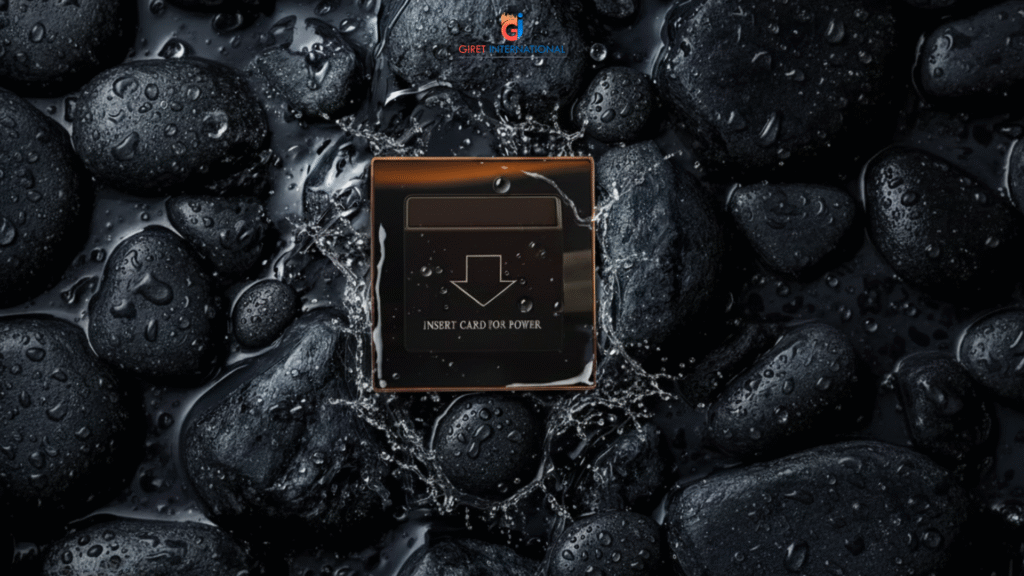
Hotels transform energy control when ESS Switches ensure that only valid RFID cards can activate the room’s power supply.
To understand more about occupancy management, explore:
ESS Switches: 7 Key Factors Behind Smart Hotel Energy Use.
2. ESS Switches and the Rule of Timed HVAC Power-Off Cycles
Air conditioners consume more electricity than any other equipment inside a hotel room. Guests often step out for hours but leave the AC running.
Timed HVAC shutdown solves this issue effortlessly.
With automated control:
- Cooling stops after a programmed delay
- Compressor load decreases
- HVAC systems last longer
- Energy usage becomes predictable
- Monthly bills reduce significantly
Hotels that follow this rule report a drastic drop in unnecessary HVAC consumption.
To explore deeper cooling management techniques, see:
ESS Switches: 6 Strategic Ways Hotels Can Save Electricity.
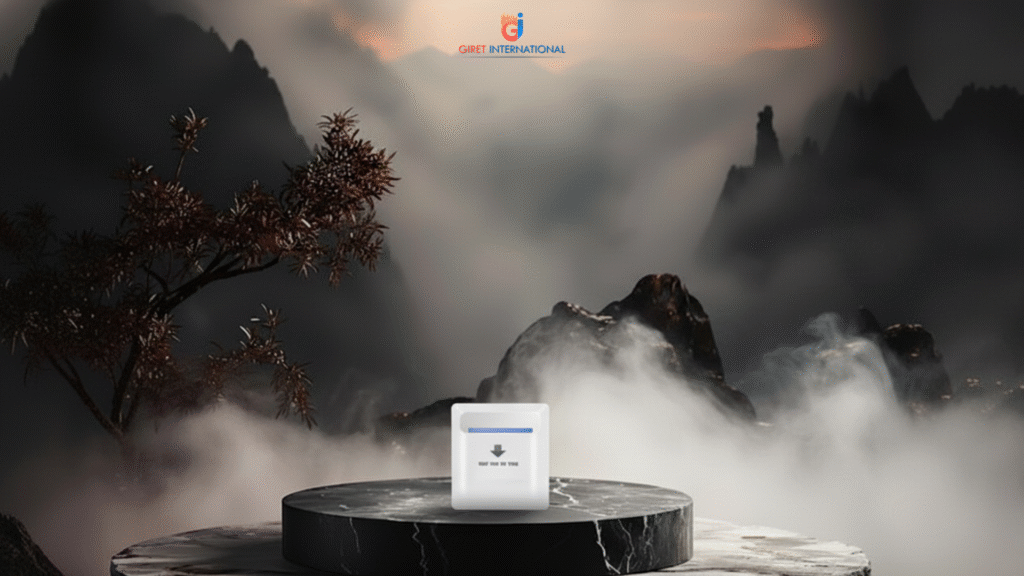
HVAC efficiency improves dramatically when ESS Switches regulate the exact shutdown timing after guest exit.
3. ESS Switches and the Rule of Automated Lighting Consistency
Lighting misuse silently drains hotel electricity. Guests switch on multiple lights and leave them running even when they exit the room.
This rule ensures automated lighting discipline.
With automated control:
- Non-essential lights turn off instantly
- Staircase and hallway spillover is reduced
- Bulbs last longer
- Uniform lighting behavior improves room turnover
- Housekeeping finds rooms in predictable states
Hotels that implement automated lighting see visible drops in electricity waste almost immediately.
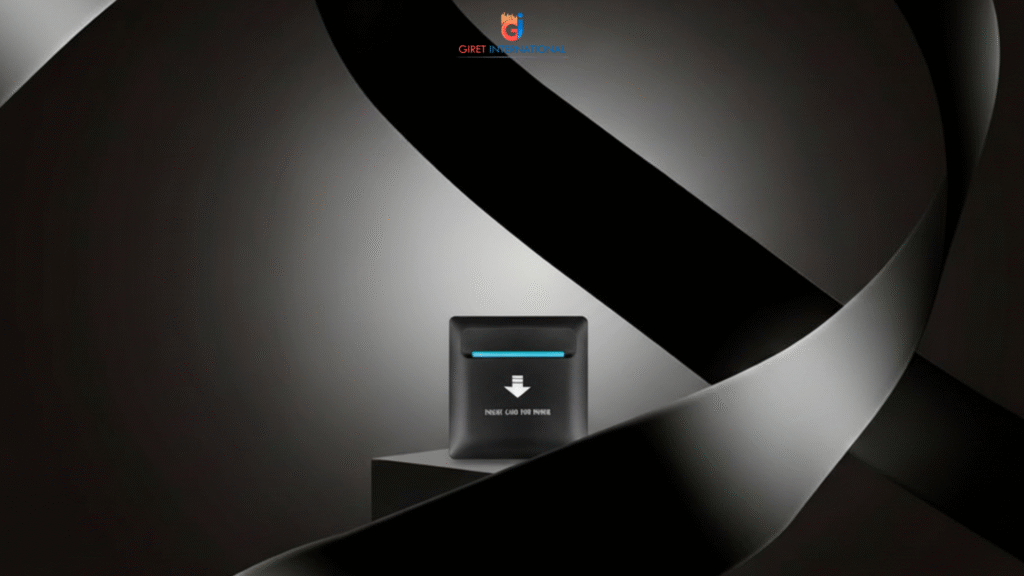
Lighting runs efficiently and safely once ESS Switches control all illumination based on occupancy status.
For more lighting control advancements, refer to:
ESS Switches: 9 Smart Approaches for Better Hotel Power Control.
4. ESS Switches and the Rule of Eliminating Phantom Load
Phantom load is the invisible electricity consumed by plugged-in devices such as chargers, kettles, grooming gadgets, and irons. Even when unused, they continue drawing current.
This rule eliminates silent energy leakage.
Automated cut-off ensures:
- No device draws power in a vacant room
- Overheating risk is minimized
- Socket health improves
- Circuit load becomes stable
- Electricity waste becomes nearly zero
Hotels that follow this rule protect both energy and electrical infrastructure.
Phantom waste disappears entirely once ESS Switches disconnect all power from unused appliances.

If you want to understand deeper safety improvements, you can explore:
ESS Switches: 7 Hidden Rules Behind Efficient Hotel Energy Flow.
5. ESS Switches and the Rule of Smart-Room Power Stability
Modern hotel rooms rely heavily on digital systems:
- Touch-enabled switches
- DND/MUR panels
- Doorbell systems
- Smart lighting panels
These require stable power behavior to function properly.
Automated energy flow provides:
- Consistent power supply
- Reduced malfunction incidents
- Better guest-room interactions
- Extended panel lifespan
- Lower engineering complaints
Without this rule, smart hotel rooms suffer from unstable performance.
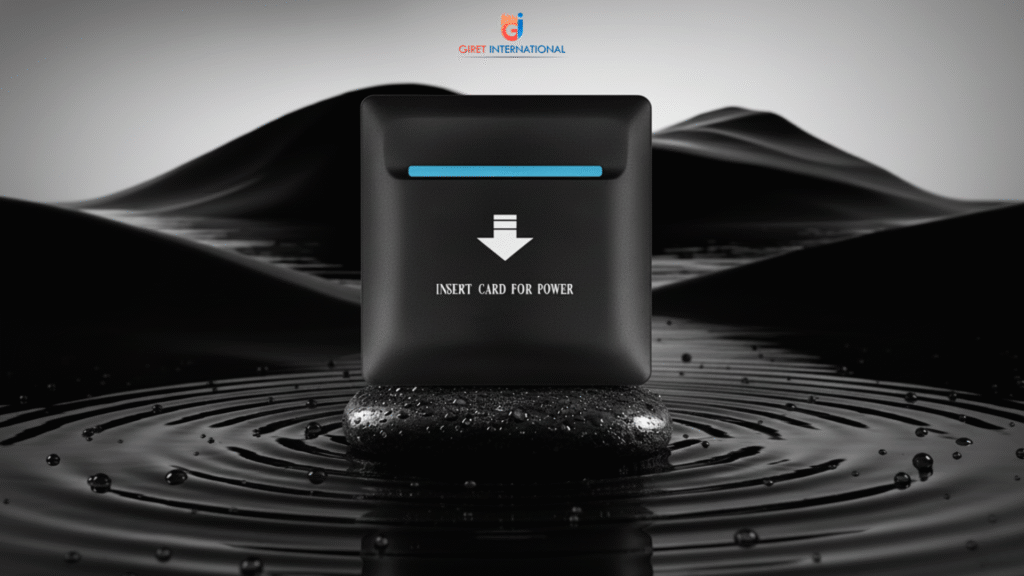
Smart-room devices operate more reliably when ESS Switches maintain a steady and uniform flow of electricity.
6. ESS Switches and the Rule of Floor-Wide Power Standardization
Hotels with multiple floors face diverse consumption patterns caused by inconsistent guest behavior. Without automation, some floors consume far more electricity, breaking budget and usage patterns.
Power standardization solves this issue.
Automated switches ensure:
- Identical power logic across rooms
- Predictable energy usage for each floor
- Easier engineering audits
- Reduced peak load variations
- Efficient monthly reporting
This rule helps hotels become more data-driven and cost-efficient.

Engineering teams gain better control over electricity patterns once ESS Switches standardize room behavior across floors.
7. ESS Switches and the Rule of Active Sustainability Compliance
Eco-friendly hospitality requires strict control over energy usage. Global travelers prefer hotels with sustainability certificates, and corporations prioritize green partnerships.
Automation supports sustainability goals by:
- Reducing unnecessary power consumption
- Supporting green certifications
- Lowering carbon footprint
- Improving energy ratings
- Enhancing a hotel’s eco-friendly brand value
Hotels that adopt automated energy management find it easier to meet environmental benchmarks.
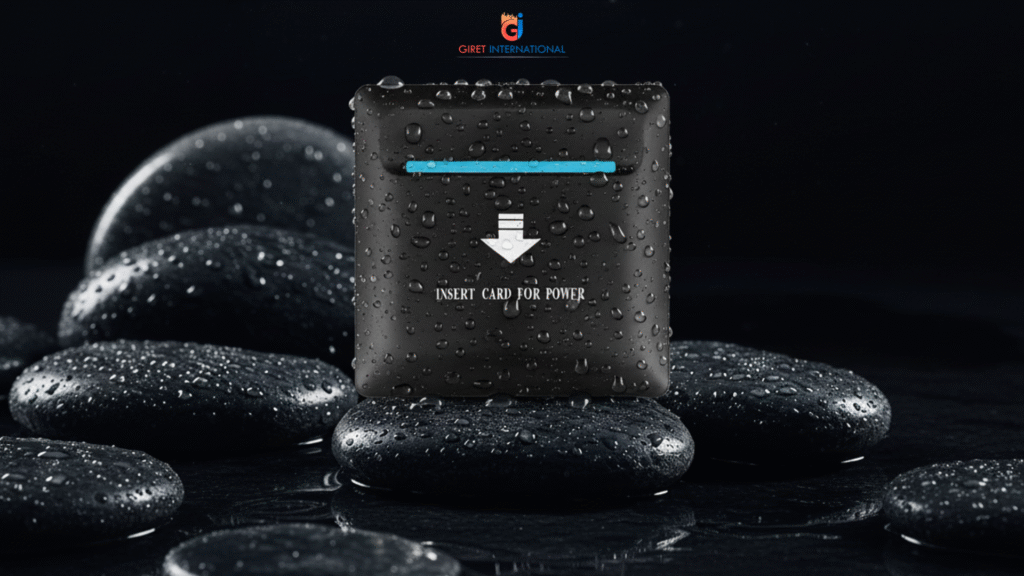
Hotels move toward sustainability faster when ESS Switches eliminate avoidable electricity waste every day.
8. ESS Switches and the Rule of Long-Term Power Cost Predictability
Electricity bills are a major operational variable. Without automation, consumption varies unpredictably depending on guest behavior.
Automated control brings long-term cost stability.
Hotels benefit from:
- Clear forecasting
- Consistent month-over-month energy patterns
- Reduced load fluctuations
- Controlled equipment strain
- Better annual budgeting
Financial stability is one of the smartest and most underestimated rules behind automated energy use.
Cost predictability becomes achievable when ESS Switches regulate energy consistently across the property.
Why These 8 Smart Rules Matter More Than Ever
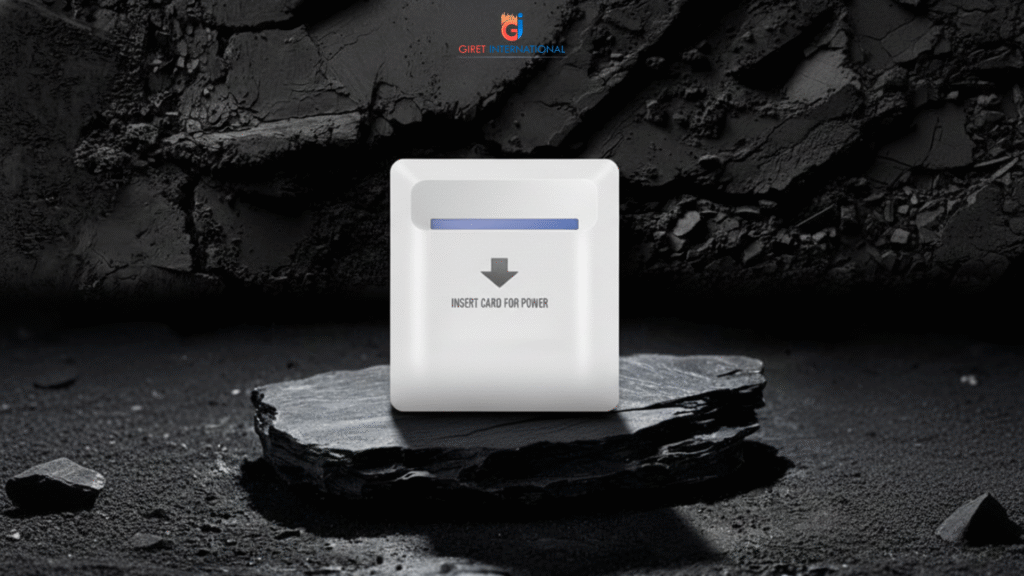
Hotels today face intense competition, rising utility costs, and strict sustainability requirements. Implementing these eight smart rules transforms energy management from a manual, inconsistent system into a disciplined, automated, and cost-efficient structure.
By following these rules, hotels gain:
- Lower electricity bills
- Longer HVAC and lighting lifespan
- Improved room performance
- Enhanced guest comfort
- Reduced maintenance load
- Stronger sustainability identity
Automation is not a luxury it is the new foundation of responsible hotel management.
Why Hotels Trust Giret International for ESS Solutions
Giret International provides premium, hotel-grade energy automation systems designed for long-term reliability and efficiency. Their ESS models offer:
- RFID Mifare-only activation
- Tempered glass & PC-body designs
- 40A switching capability
- 20–30 second delay cutoff
- Full compatibility with modern smart-room systems
- Durable construction built for heavy hotel usage
Hotels nationwide choose Giret for superior engineering, operational precision, and modern aesthetics.
About Giret International
Contact Us
Hospitality Products
Instagram | Facebook | Pinterest | YouTube | X (Twitter)