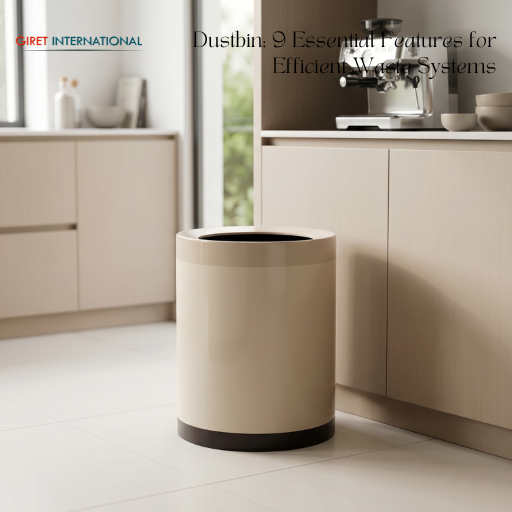
Dustbin is the foundation of every efficient waste system where cleanliness begins with control, not correction. In modern environments, waste is generated constantly, and without a structured solution, it quickly disrupts hygiene and organization. A well-designed Dustbin ensures that waste is handled instantly, safely contained, and removed from sight. Instead of reacting to mess, a reliable Dustbin helps prevent it from forming. With advanced innovations inspired by Giret International, waste management becomes smarter, cleaner, and easier to maintain.
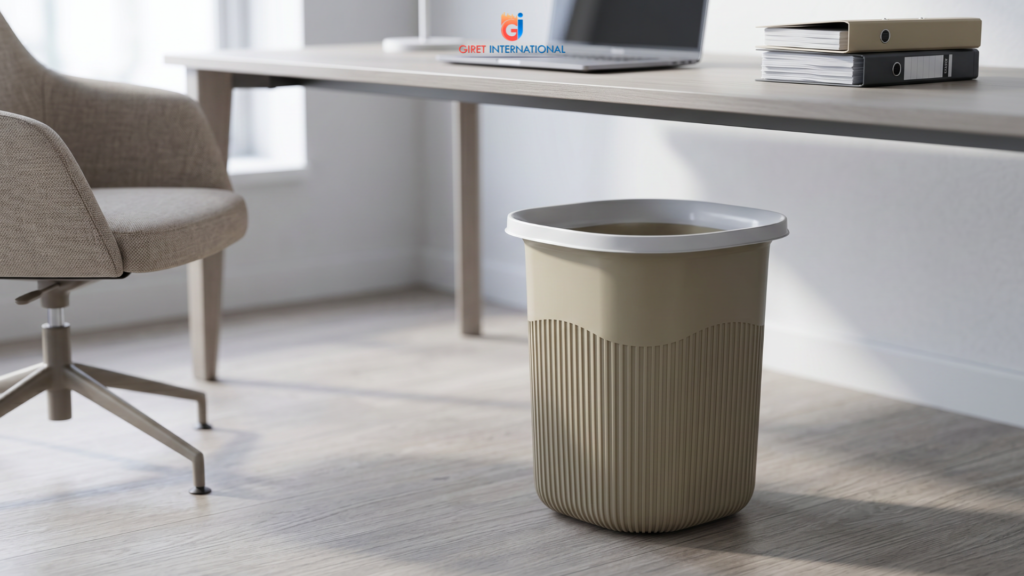
Table of Content
- Efficient Waste Systems in Modern Spaces
- Role of Dustbin in Structured Disposal
- 9 Essential Features for Efficient Waste Systems
- Continuous Cleanliness Through Systems
- Operational Simplicity and Control
- Smart Selection Approach
- Final Thoughts
Efficient Waste Systems in Modern Spaces
Modern spaces require waste systems that operate continuously without disruption. A Dustbin plays a crucial role in ensuring that waste is handled immediately.
Without proper control, waste can spread and create clutter. A dependable Dustbin prevents this by offering a structured disposal solution.
Spaces that rely on a strong Dustbin system maintain higher cleanliness standards with less effort.
Role of Dustbin in Structured Disposal
A Dustbin defines how waste flows within a space. It ensures that disposal happens in an organized and predictable way.
By enabling immediate disposal, a Dustbin reduces clutter and improves hygiene. It also simplifies waste handling processes.
A high-quality Dustbin ensures that waste management remains efficient and consistent across all areas.
9 Essential Features for Efficient Waste Systems
1. Instant Waste Capture Mechanism
A Dustbin ensures that waste is disposed of immediately at the source, preventing it from spreading across the environment. This feature reduces clutter and maintains cleanliness in real time. By capturing waste instantly, it minimizes hygiene risks and ensures that spaces remain organized and visually clean throughout the day, even during high activity.
2. Structured Disposal Design
A well-designed Dustbin creates a clear and organized path for waste handling, ensuring consistency in disposal practices. This structured approach reduces confusion and improves efficiency. It helps maintain cleanliness standards without requiring constant supervision, making waste management more predictable and easier to control.
3. Hygienic Containment System
A high-quality Dustbin ensures that waste remains fully enclosed, reducing exposure to germs and contaminants. This containment supports better hygiene practices and prevents contamination of surrounding areas. It is especially important in environments where cleanliness is a priority.
4. Advanced Odor Control Feature
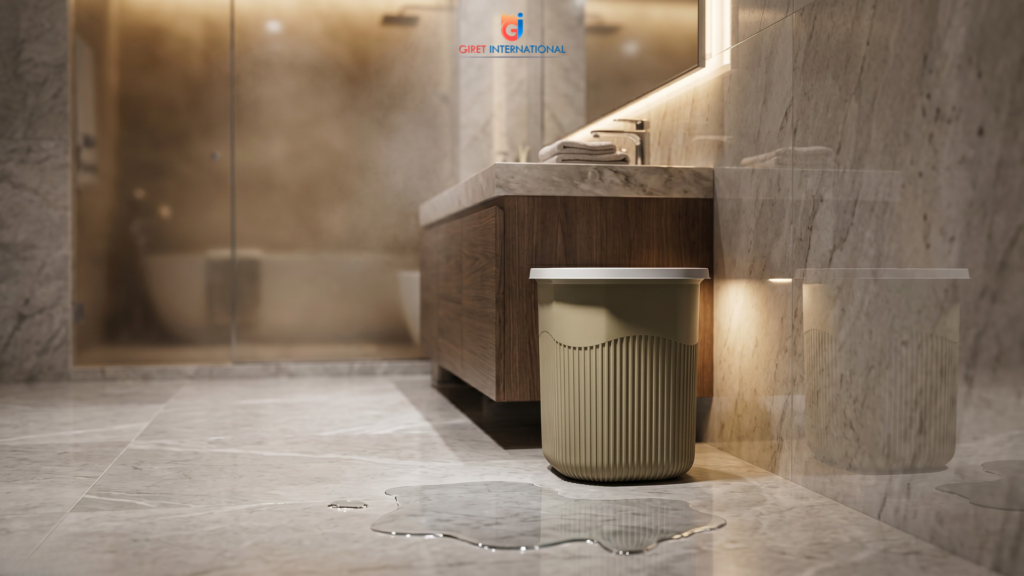
A modern Dustbin includes mechanisms to control unpleasant smells, ensuring that the environment remains fresh. By preventing odors from spreading, it enhances comfort and maintains a clean atmosphere, which is essential for both residential and commercial spaces.
5. Low-Contact Usage Design
A hygienic Dustbin reduces the need for direct contact during disposal, minimizing the risk of contamination. This feature is particularly important in high-traffic areas where maintaining hygiene is critical. It supports safer and more efficient waste handling practices.
6. Space-Efficient Construction
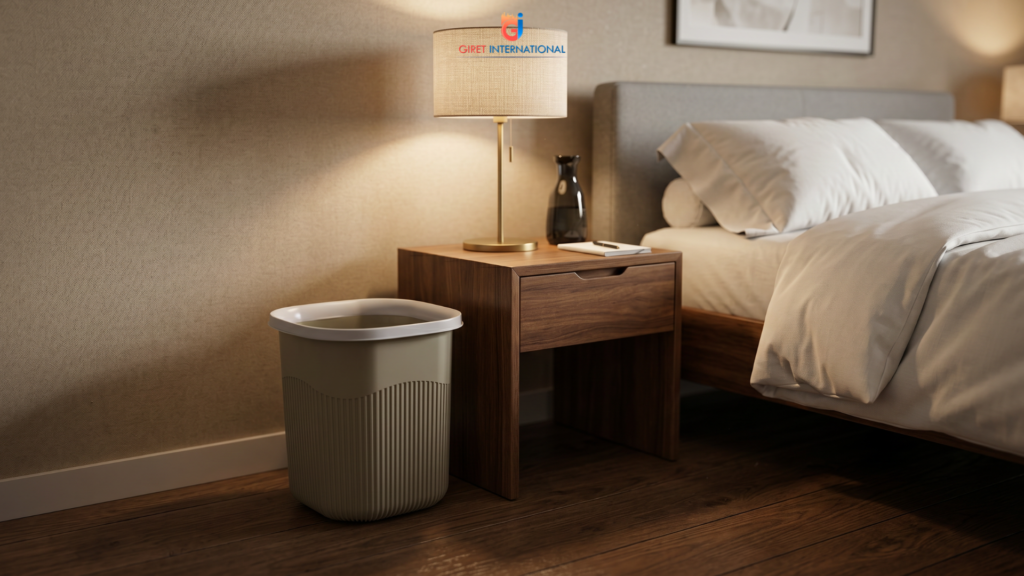
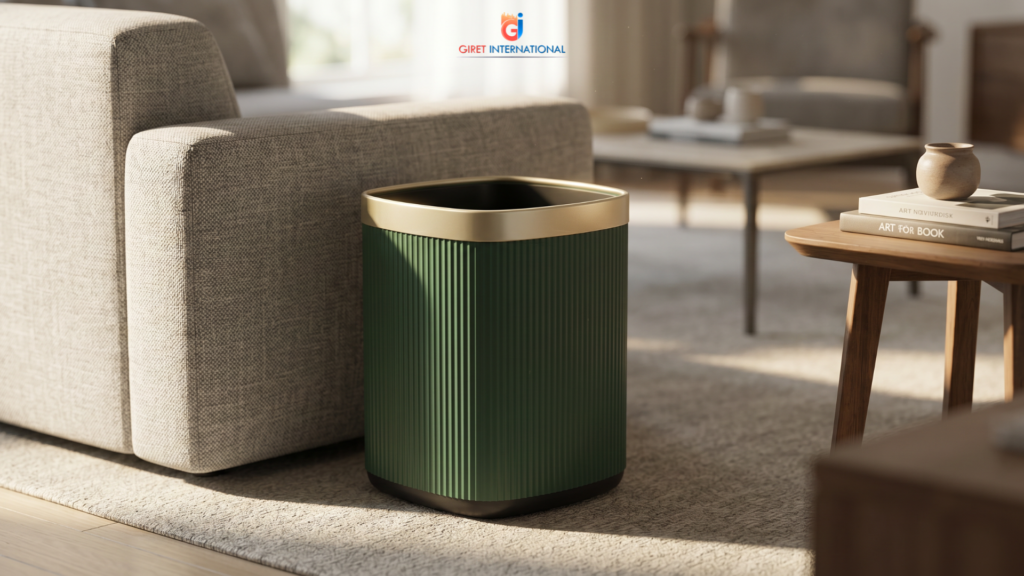
A compact Dustbin is designed to fit seamlessly into different environments without creating clutter. This feature ensures efficient use of space while maintaining functionality, helping keep areas organized and visually clean.
7. Durable Build for Long-Term Use
A robust Dustbin is built to withstand continuous usage without losing its performance. Durable materials ensure reliability and reduce the need for frequent replacements, making it a cost-effective solution for waste management.
8. Easy Cleaning and Maintenance
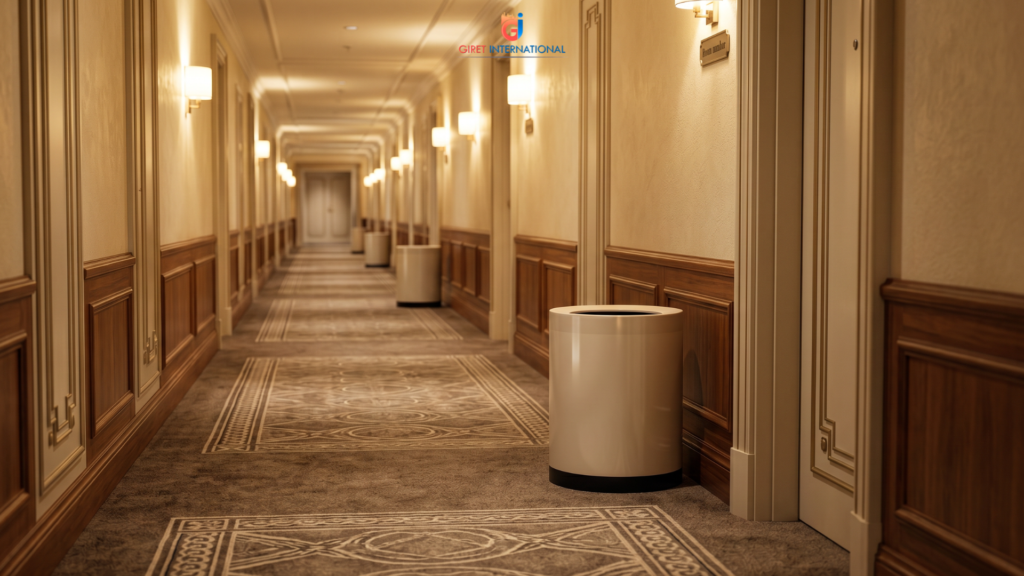
A practical Dustbin is designed for quick and efficient cleaning, ensuring that hygiene standards are maintained consistently. This feature reduces effort and improves operational efficiency, allowing spaces to remain clean with minimal maintenance.
9. Consistent Performance Across Environments
A reliable Dustbin ensures uniform performance in different areas, maintaining consistent cleanliness standards. This feature simplifies waste management and improves overall efficiency.
Continuous Cleanliness Through Systems
A Dustbin supports continuous cleanliness by ensuring that waste is managed in real time. This reduces the need for repeated cleaning efforts.
By enabling immediate disposal, a Dustbin keeps spaces clean and organized throughout the day, improving efficiency.
Operational Simplicity and Control
A Dustbin simplifies waste handling, making operations smoother and more efficient. It allows staff to focus on maintaining cleanliness rather than collecting waste.
With a reliable Dustbin, workflow becomes faster and more structured.
For deeper insights, explore:
Dustbin by Giret International: 10 Advanced Hygiene Benefits
To understand hotel-focused solutions, read:
Dustbin for Hotels: 8 Expert Tips for Better Waste Handling
Smart Selection Approach
Choosing the right Dustbin involves evaluating durability, design, and hygiene features. A premium solution ensures consistent performance and long-term reliability.
A well-selected Dustbin supports both efficiency and cleanliness.
Final Thoughts
Efficient waste systems are built on strong foundations, and a Dustbin plays a central role in achieving this. It ensures that waste is handled properly while maintaining hygiene and organization.
With the expertise of Giret International, spaces can achieve higher standards of cleanliness and efficiency.
A high-quality Dustbin is not just a utility it is an essential component of modern waste management systems.
About Giret International
Contact Us
Hospitality Products
Instagram | Facebook | Pinterest | YouTube | Thread | X (Twitter)