
Soiled Linen Trolley is not just a housekeeping tool. It is a silent cost-control system that protects hotels from daily operational leaks. In hospitality, profit is not only increased through higher occupancy it is preserved by eliminating inefficiencies that quietly drain resources.

Linen misplacement, repeated transport trips, delayed laundry processing and infrastructure damage all create unnecessary expenses. Over weeks and months, these minor losses accumulate significantly. A structured Soiled Linen Trolley introduces discipline into linen handling, helping hotels reduce waste and improve financial efficiency.
Smart movement reduces hidden cost.
Soiled Linen Trolley and Operational Cost Awareness
Operational cost leaks often remain unnoticed because they occur in small increments. A missing towel here, an extra labor hour there, or delayed laundry scheduling may not appear alarming individually. But collectively, they reduce profit margins.
A Soiled Linen Trolley strengthens internal control systems, minimizing these repetitive inefficiencies.
For workflow efficiency reference:
/soiled-linen-trolley-6-daily-operations-simplified
For corridor management insights:
/soiled-linen-trolley-5-corridor-congestion-fixed
Financial stability begins with structured systems.
1. Prevents Linen Loss and Replacement Expenses
Misplaced linen increases procurement frequency. Without centralized containment, used sheets and towels may be forgotten in service corners or mixed with waste unintentionally.
A Soiled Trolley centralizes all used linen into one controlled unit during collection rounds. This reduces the risk of items being left behind or lost between departments.
Lower replacement demand protects purchasing budgets.
2. Reduces Labor Waste from Inefficient Movement
Manual linen transport requires multiple small trips between rooms and service areas. Each trip consumes time without directly improving cleaning output.
A Soiled Linen Trolley increases load capacity per round, allowing housekeeping staff to complete collection in fewer cycles.
Fewer trips translate to optimized labor hours and reduced payroll strain.
3. Minimizes Laundry Overtime and Energy Costs
Irregular linen arrival disrupts laundry scheduling. Sudden large batches create overload, forcing extended machine cycles or staff overtime.
A Soiled Trolley supports steady, predictable transfer to laundry zones. Balanced inflow allows better washing schedule planning.
Efficient scheduling reduces overtime expenses and machine wear.
4. Protects Floors and Infrastructure from Wear
Dragging linen across corridors gradually damages flooring surfaces. Surface repairs and premature maintenance increase operational spending.
A Soiled Linen Trolley eliminates floor friction by containing linen within a raised, mobile structure.
Reduced surface damage lowers long-term maintenance costs.
Soiled Linen Trolley and Time Optimization
Time inefficiency often translates into financial inefficiency. When staff spend extra minutes adjusting loads or retracing routes, productivity declines.
A Soiled Trolley standardizes collection paths and reduces unnecessary backtracking.
Time saved across multiple shifts strengthens overall performance metrics.
Soiled Linen Trolley Stabilizes Linen Inventory Flow
Inventory instability often leads to emergency procurement. When fresh linen returns late from laundry, hotels may need temporary rentals or urgent purchases.
A Soiled Linen Trolley accelerates transport cycles, supporting faster linen circulation.
Stable inventory flow prevents reactive spending.
During High Occupancy Periods
Peak seasons magnify inefficiencies. Increased linen turnover amplifies risk of misplacement and labor strain.
A Soiled Linen Trolley absorbs higher load without requiring additional workforce or temporary storage solutions.
Scalable containment protects cost discipline during pressure.
Soiled Linen Trolley Improves Accountability and Tracking
Unstructured processes make tracking difficult. When linen moves randomly across floors, responsibility becomes unclear.
A Soiled Trolley provides visible organization. Supervisors can monitor collection rounds more effectively and detect irregularities early.
Transparency prevents recurring waste.
Soiled Linen Trolley and Equipment Longevity
Frequent breakdown of low-quality transport systems results in repeated replacement cost.
A durable Soiled Linen Trolley built with SS201 frame and heavy duty canvas ensures long service life under daily operational load.
Long-lasting equipment reduces capital expenditure frequency.
Soiled Linen Trolley Supports Energy Efficiency
Reducing unnecessary movement conserves physical effort and mechanical energy. Elevator usage, lighting exposure and cleaning corrections all decline when processes become structured.
A Soiled Trolley streamlines workflow so departments operate with fewer interruptions.
Energy-conscious systems lower indirect costs.
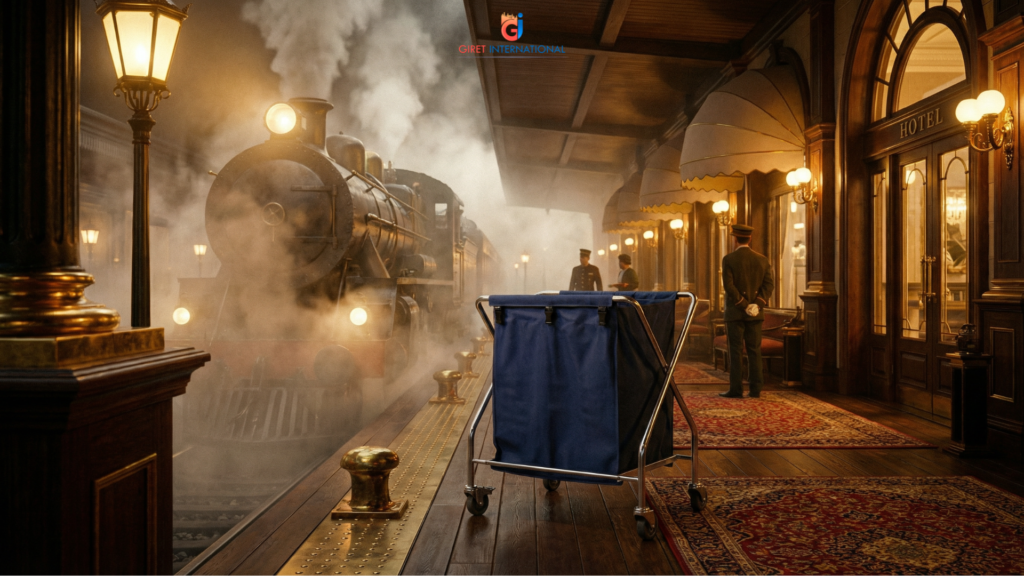
Strengthens Department Coordination
Cost leaks often appear at departmental boundaries. Poor coordination between housekeeping and laundry leads to duplicate effort and overtime.
A Soiled Linen Trolley synchronizes transfer cycles, aligning both teams.
Coordinated workflow eliminates redundant labor expense.
Soiled Linen Trolley as a Strategic Investment
Cost-saving tools must deliver consistent results to justify investment. Short-term solutions often create long-term expense.
A well-designed Soiled Trolley provides predictable durability, stable performance and scalable capacity.
Structured investment yields sustainable returns.
Soiled Linen Trolley and Financial Confidence
Operational discipline strengthens managerial confidence. When backend processes remain organized, financial forecasting becomes more accurate.
A Soiled Linen Trolley embeds predictable linen handling into daily practice.
Predictable systems stabilize cost patterns.
Final Thoughts
Cost leaks in hospitality rarely originate from dramatic errors. They develop gradually through minor inefficiencies repeated daily.
By integrating a Soiled Linen Trolley, hotels reduce linen loss, optimize labor allocation, prevent infrastructure damage and stabilize laundry scheduling.
Centralized containment protects inventory.
Balanced transport saves time.
Structured systems safeguard profit.
In hotel operations, disciplined processes are not optional they are essential for sustainable financial strength.

About Giret International
Contact Us
Hospitality Products
Instagram | Facebook | Pinterest | YouTube | X (Twitter)