Service trolley fiber plays a crucial role in daily hotel operations, but only when it is designed correctly. Poor trolley design may seem like a minor issue at first glance. However, in a hospitality environment where efficiency, hygiene, and guest perception matter every minute, weak design creates serious operational damage.
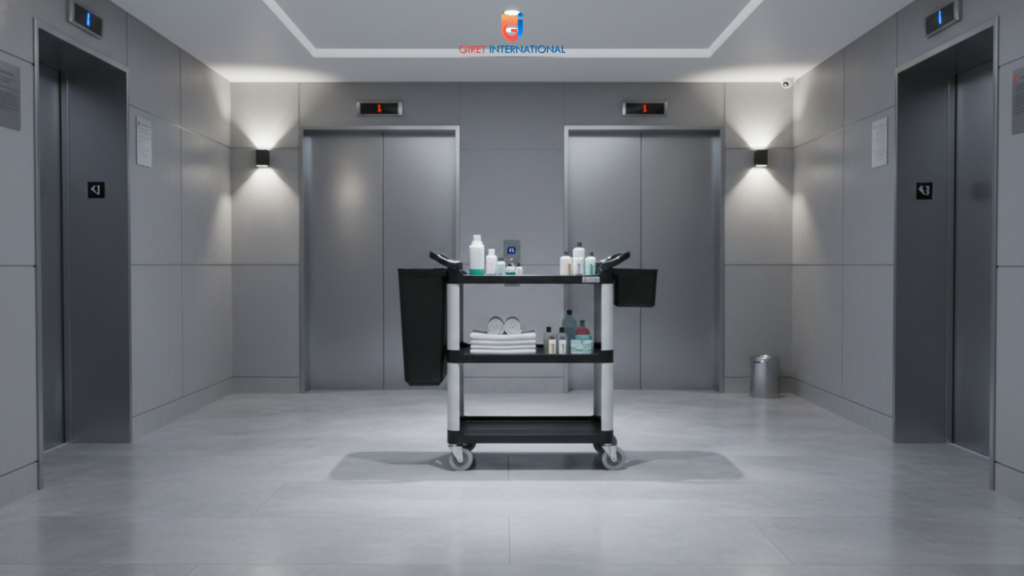
Hotels that ignore trolley design quality often experience workflow disruption, rising maintenance costs, and reduced staff productivity. In this blog, we break down three major negative impacts caused by poor trolley design and explain why smart properties invest in well-engineered solutions.
Why Design Quality Matters in Service Trolleys
Hotel service equipment moves constantly. It travels through:
- Guest corridors
- Banquet areas
- Service elevators
- Back-of-house zones
A poorly designed cart quickly becomes an obstacle instead of a tool. A well-built service trolley fiber supports seamless service flow.
Design quality directly affects:
- Speed
- Cleanliness
- Safety
- Staff comfort
What Defines Poor Trolley Design
Poor trolley design often includes:
- Unbalanced weight distribution
- Rough or corroding surfaces
- Excessive size
- Weak structural joints
These issues multiply when used daily in demanding hotel environments.
A well-engineered service trolley fiber avoids these risks through intelligent material and structural planning.
Service trolley fiber Negative Impact 1: Workflow Disruption
The first and most immediate consequence of poor design is interrupted workflow.
If a cart:
- Moves unevenly
- Turns poorly in corridors
- Blocks narrow passages
then daily operations slow down.
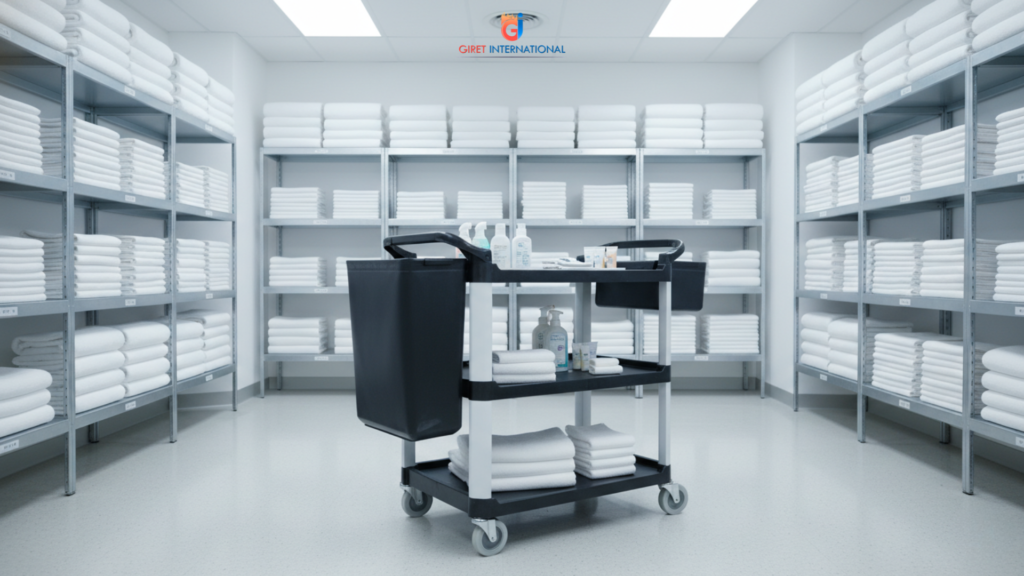
A poorly designed service trolley fiber forces staff to reposition frequently, reducing efficiency.
Why Workflow Disruption Becomes Expensive
Every delay in room service or banquet preparation affects:
- Staff time
- Guest satisfaction
- Event coordination
Small inefficiencies compound across multiple floors and shifts.
A properly designed service trolley fiber maintains smooth movement and prevents these interruptions.
Service trolley fiber Negative Impact 2: Hygiene and Cleanliness Risks
Hospitality standards demand visible cleanliness.
Poorly finished surfaces:
- Trap dust and debris
- Develop scratches
- Encourage moisture retention
If the service trolley fiber lacks smooth ABS finishing or proper sealing, hygiene standards suffer.
Rust and Surface Damage Problems
Metal components without proper coating corrode over time. This creates:
- Unsightly stains
- Hard-to-clean areas
- Contamination risks
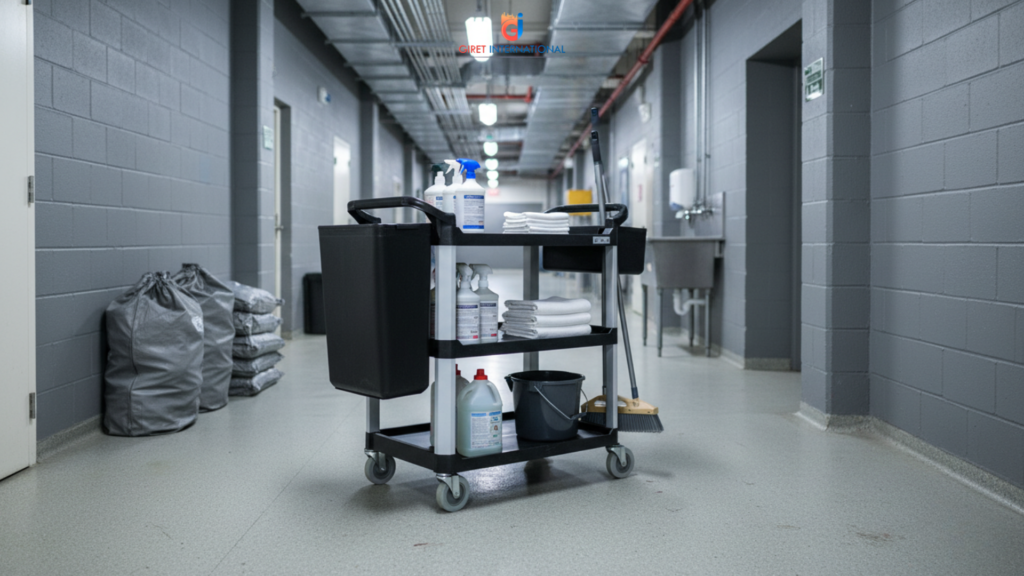
A high-quality service trolley fiber eliminates corrosion and supports easier sanitation.
Cleaning Efficiency Drops
When surfaces are uneven or textured incorrectly, cleaning takes longer. This reduces turnaround speed between service cycles.
Service trolley fiber Negative Impact 3: Staff Fatigue and Handling Problems
Heavy or unbalanced carts increase strain.
Poor design results in:
- Difficult maneuvering
- Uneven wheel movement
- Increased physical effort
A badly structured service trolley fiber causes fatigue that accumulates across shifts.
Why Handling Directly Impacts Productivity
Staff who struggle with equipment:
- Move slower
- Require more breaks
- Experience higher physical stress
Smooth handling is essential for high-performance hospitality teams.
Long-Term Financial Consequences
Poor trolley design affects budgets over time.
Hidden costs include:
- Frequent repairs
- Early replacement
- Reduced operational speed
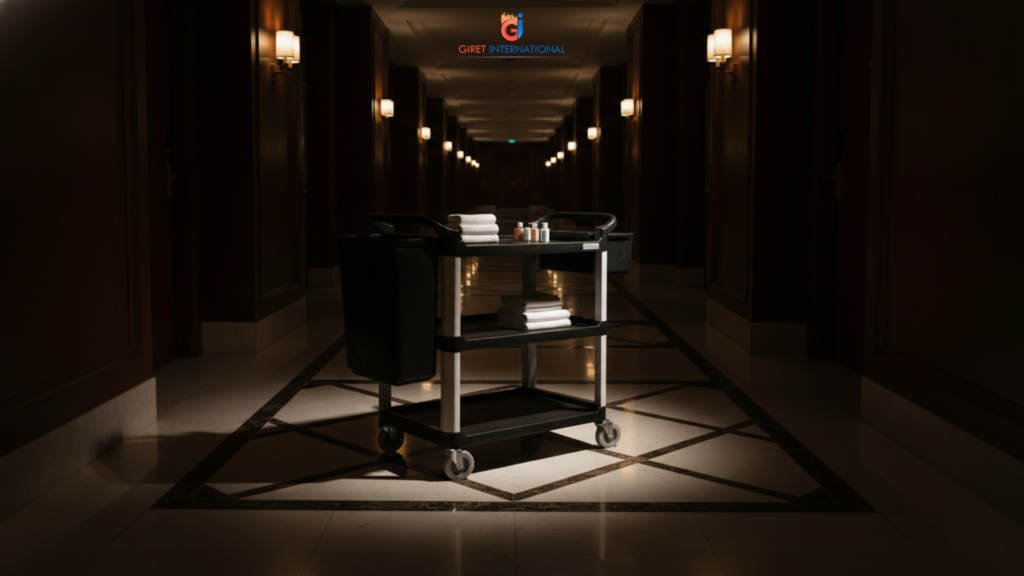
Investing in a properly designed service trolley fiber often reduces these recurring expenses.
Guest Perception and Visual Impact
Guests frequently observe service equipment in corridors and banquet halls.
Poor design leads to:
- Visible wear
- Noise during movement
- Disorganized appearance
A well-built service trolley fiber maintains professional presentation and quiet operation.
How Proper Fiber Design Prevents These Issues
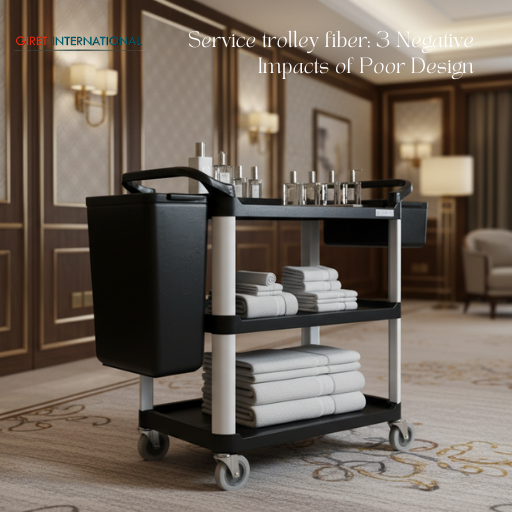
A thoughtfully engineered service trolley fiber includes:
- ABS smooth-tier surfaces
- Aluminium structural reinforcement
- Balanced three-tier layout
- Controlled dimensions
These design elements eliminate the common negative impacts described above.
Operational Stability Through Smart Engineering
Hotels require tools that:
- Work consistently
- Require minimal intervention
- Support standardized workflow
A durable service trolley fiber provides predictable daily performance across departments.
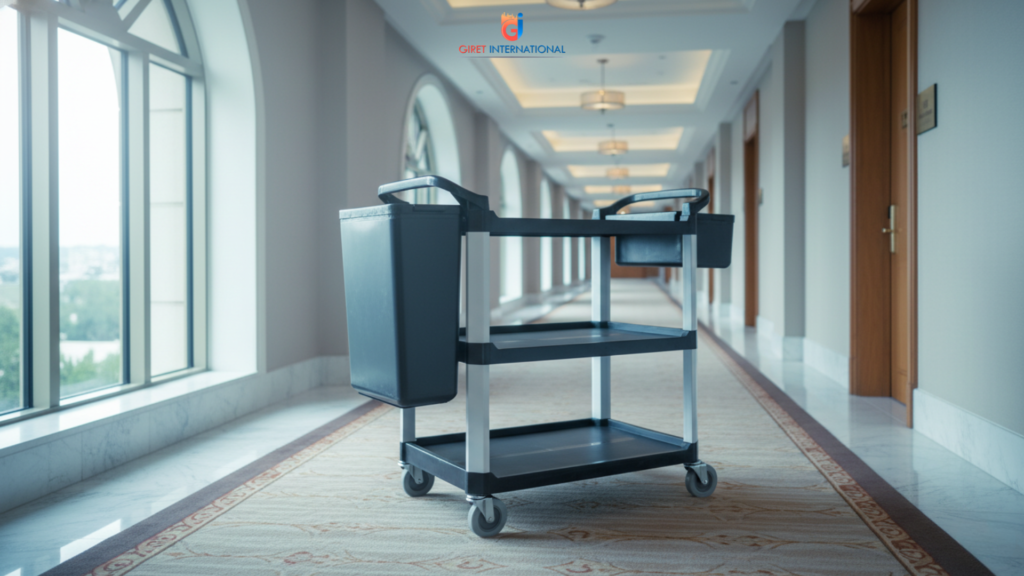
Comparing Poor Design vs Optimized Design
Poor Design Results:
- Workflow interruptions
- Cleaning difficulty
- Higher fatigue
Optimized Fiber Design Results:
- Smooth mobility
- Easy sanitation
- Reduced strain
This difference becomes measurable over months of continuous use.
Internal Insight from Recent Service Trolley Upgrade Analysis
Hotels analyzing upgrade decisions often review insights shared in:
Service trolley fiber: 4 Design Benefits That Matter
Understanding both the advantages of strong design and the risks of poor design provides a balanced decision framework.
Why Smart Hotels Prioritize Design Evaluation
Before purchasing, leading hotels:
- Test maneuverability
- Inspect material finishing
- Evaluate surface smoothness
- Review structural joints
This ensures the selected service trolley fiber supports long-term operational stability.
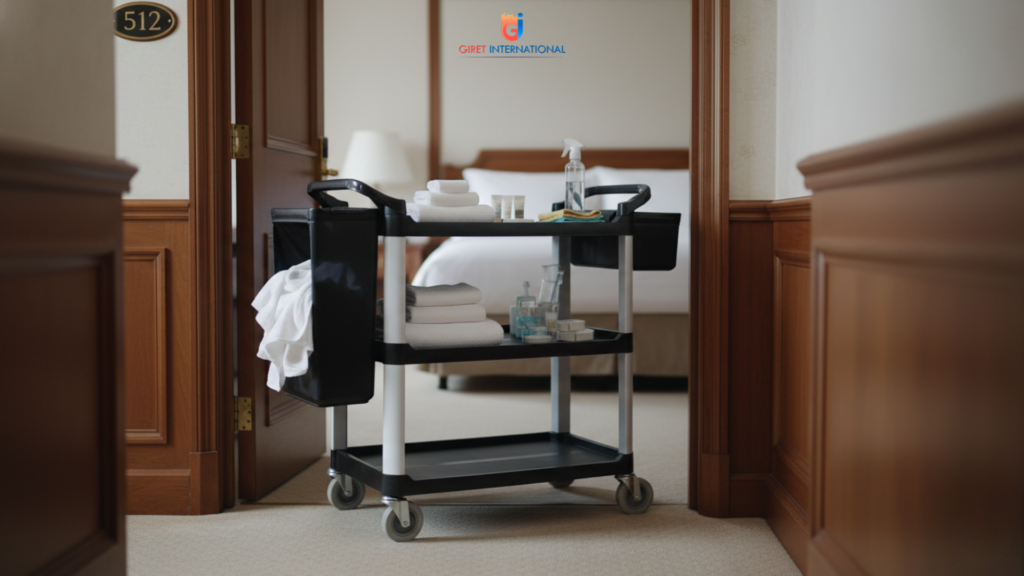
Final Verdict
Poor trolley design creates three serious negative impacts:
- Workflow disruption
- Hygiene risks
- Staff fatigue
A high-quality service trolley fiber eliminates these problems through intelligent engineering and durable material selection.
In hospitality, small design details create large operational consequences. Hotels that invest in well-designed service trolleys protect efficiency, cleanliness, and guest satisfaction every single day.
About Giret International
Contact Us
Hospitality Products
Instagram | Facebook | Pinterest | YouTube | X (Twitter)