
HK trolley buying decisions often look simple on paper, but in real hotel operations they can quietly become long-term cost traps. Many hotels believe that a trolley is just a support tool, so they rush the purchase, focus only on price, or copy what another property is using. The result? Repeated repairs, staff dissatisfaction, slower operations, and hidden expenses that pile up month after month.
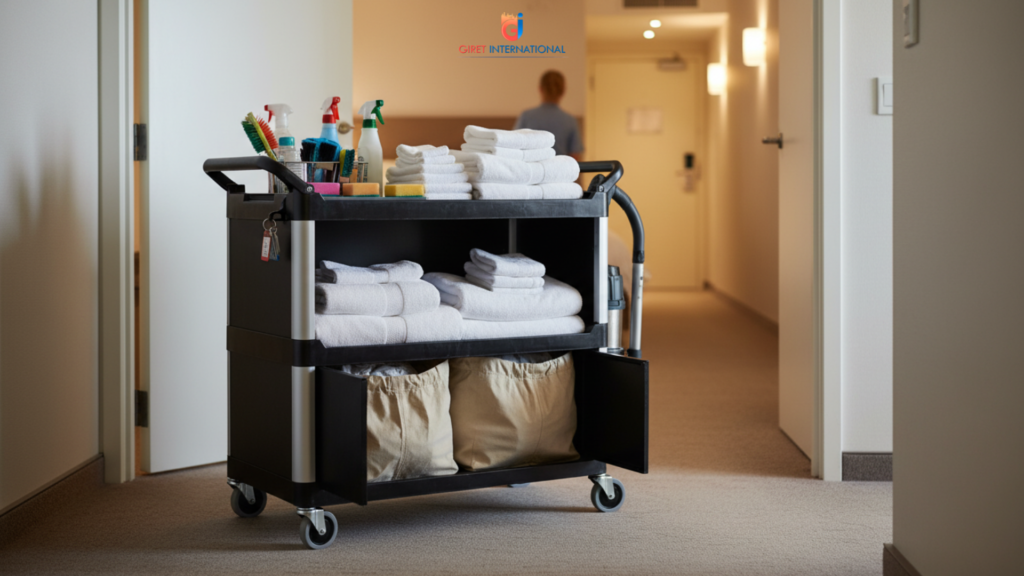
In this in-depth guide, we break down the 3 most costly buying mistakes hotels make while purchasing an HK trolley, explain why these mistakes happen, and show how smarter selection prevents unnecessary operational losses.
Why HK Trolley Buying Mistakes Are Expensive
An HK trolley is used every single day, across multiple shifts, floors, and seasons. Even a small design flaw gets repeated hundreds of times.
Buying mistakes lead to:
- Slower housekeeping cycles
- Higher maintenance expenses
- Increased staff fatigue
- Poor visual control in guest areas
What looks like a minor error during purchase becomes a daily operational cost.
Mistake 1: Choosing Price Over Performance
The most common and costly mistake is buying the cheapest HK trolley available.
While low pricing may look attractive upfront, it often means:
- Weak structure
- Poor handling balance
- Low-quality materials
These issues start showing within weeks of regular hotel use.
Why Cheap HK Trolleys Cost More
A low-cost HK trolley often results in:
- Frequent repairs
- Faster wear and tear
- Early replacement
Hotels end up paying more over time than they would have with a quality trolley.
Performance Is a Daily Requirement
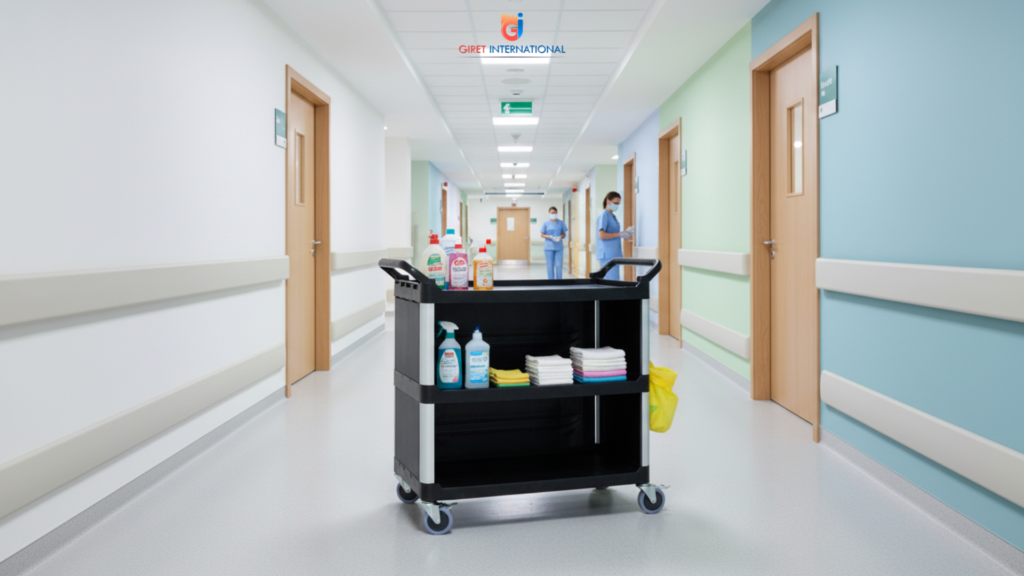
Housekeeping staff cannot “adjust” to poor equipment forever. Performance issues slow down every task, increasing labor costs indirectly.
Mistake 2: Ignoring Real Hotel Workflow
Many hotels buy an HK trolley without testing it in real operational conditions.
Common oversights include:
- Corridor width mismatch
- Elevator size issues
- Poor maneuverability in tight spaces
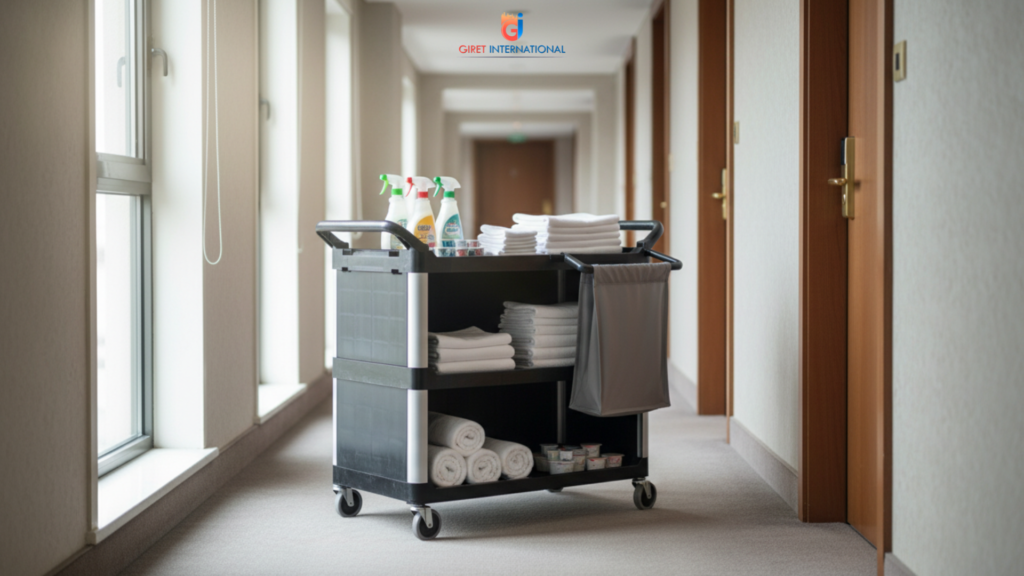
A trolley that looks fine in a catalog may fail completely on actual guest floors.
Why Workflow Compatibility Matters
A well-matched HK trolley:
- Moves smoothly across floors
- Fits elevators easily
- Supports natural staff movement
Ignoring workflow leads to constant frustration and time loss.
Daily Micro-Delays Add Up
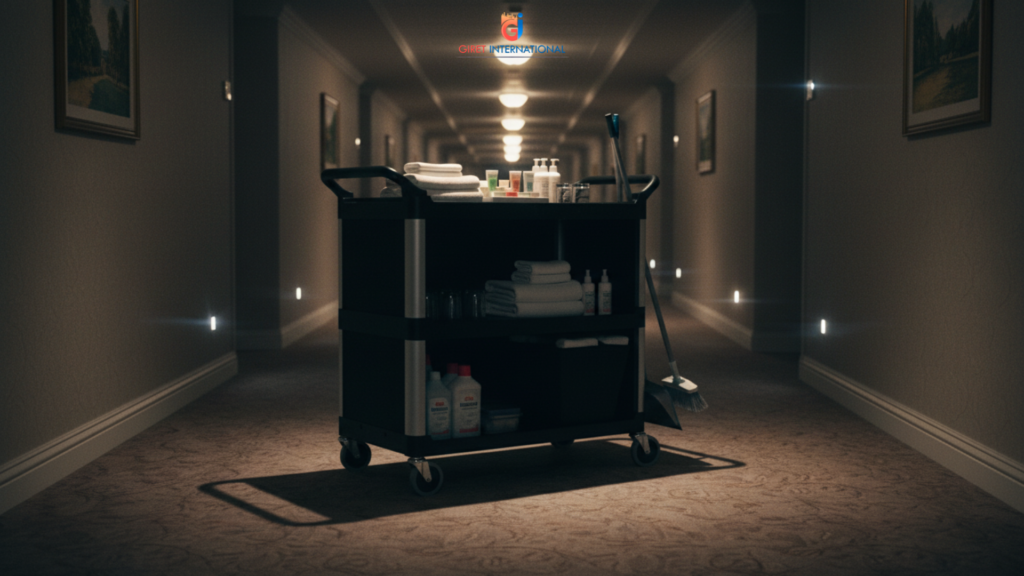
Even a 10–15 second delay per room compounds into hours lost per week. This hidden loss rarely shows up in budgets but heavily affects efficiency.
Mistake 3: Overlooking Long-Term Durability
Durability is often misunderstood as “strong enough for now.”
In reality, a hotel HK trolley must handle:
- Continuous loading
- Daily cleaning
- Frequent impacts
- Peak-season pressure
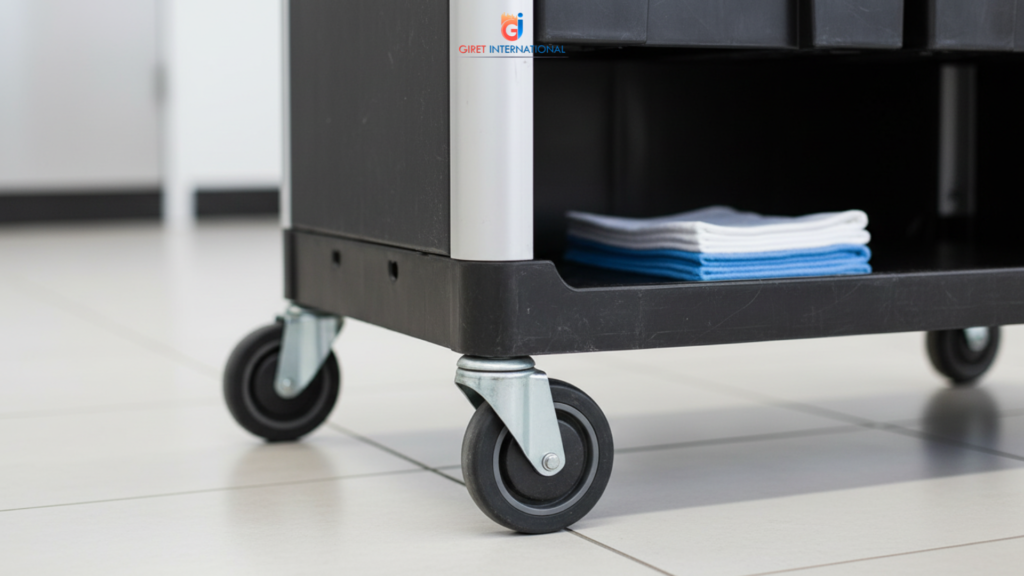
Ignoring durability results in cracked panels, loose frames, and unstable handling.
Durability Directly Impacts Costs
Weak durability leads to:
- Repair downtime
- Emergency replacements
- Inconsistent service quality
A durable HK trolley reduces these risks significantly.
How These Mistakes Increase Hidden Costs
The true cost of a wrong HK trolley is not visible on the invoice.
Hidden costs include:
- Overtime due to slower work
- Higher injury risk
- Linen damage
- Guest dissatisfaction
These costs accumulate silently but steadily.
Impact on Staff Efficiency and Morale
Staff are the first to suffer from poor equipment.
A problematic HK trolley:
- Increases physical strain
- Breaks workflow rhythm
- Lowers morale
Over time, this can lead to higher absenteeism and turnover.
Guest-Facing Consequences of Wrong HK Trolley
Guests may not comment on trolleys directly, but they notice:
- Corridor clutter
- Noisy movement
- Disorganized housekeeping
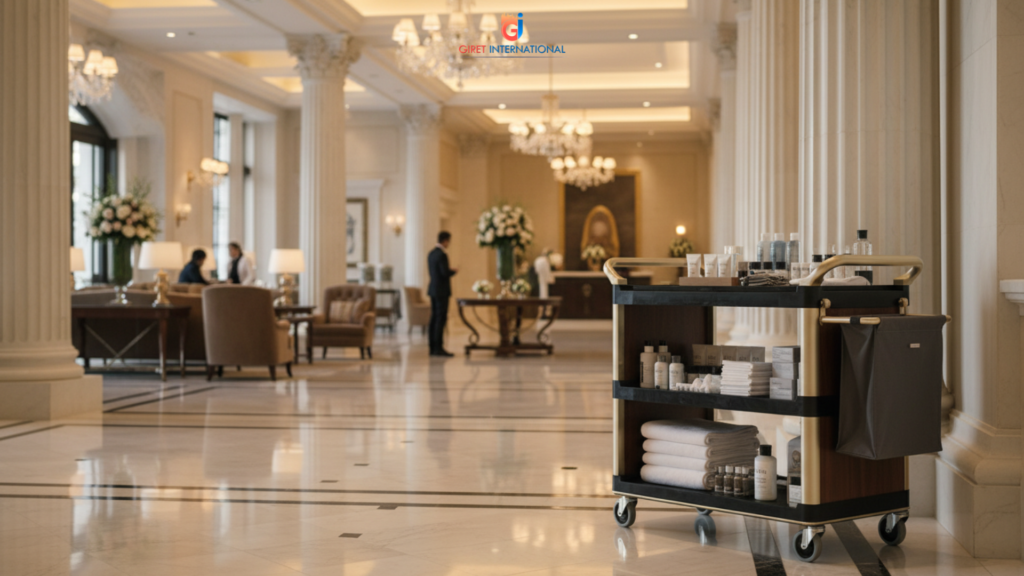
A wrong trolley weakens the hotel’s professional image without guests knowing why.
Short-Term Savings vs Long-Term Loss
Saving a small amount upfront often leads to:
- Replacements within a year
- Repeated complaints
- Budget overruns
Smart hotels focus on total lifecycle value, not just purchase price.
How Smart Hotels Avoid These Errors
Hotels that avoid costly mistakes usually:
- Test trolleys on actual floors
- Involve housekeeping staff in selection
- Evaluate durability and handling together
They treat the HK trolley as an operational system, not just a cart.
Learning from Recent Buying Insights
The correct approach to buying is detailed further in
HK Trolley: 5 Buying Rules for 3 Side Closed Model, which explains how planning prevents most of these mistakes.
When to Replace vs When to Upgrade
Sometimes hotels keep using a poor trolley to avoid replacement costs.
However, replacement is justified when:
- Repairs become frequent
- Staff complaints increase
- Guest-facing issues appear
Upgrading at the right time prevents deeper losses.
Why Mistake-Free Buying Matters More Today
Modern hotels operate under:
- Tighter margins
- Higher guest expectations
- Greater staff workload
Mistake-free HK trolley buying is no longer optional it is essential for stable operations.
Final Verdict
An HK trolley may seem like a simple housekeeping tool, but wrong buying decisions turn it into a constant cost generator.
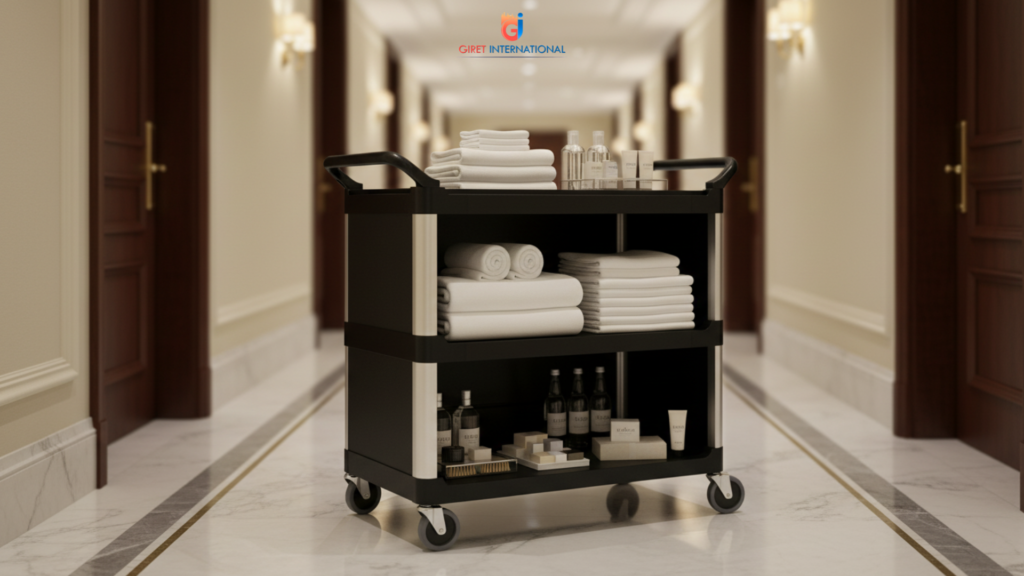
The 3 costly buying mistakes hotels make choosing price over performance, ignoring real workflow, and overlooking durability are responsible for most operational inefficiencies linked to housekeeping equipment.
Hotels that invest time in selecting the right HK trolley don’t just save money. They protect staff well-being, maintain guest-facing standards, and ensure smoother daily operations. In hospitality, avoiding the wrong choice is often more valuable than chasing the cheapest one.
About Giret International
Contact Us
Hospitality Products
Instagram | Facebook | Pinterest | YouTube | X (Twitter)