
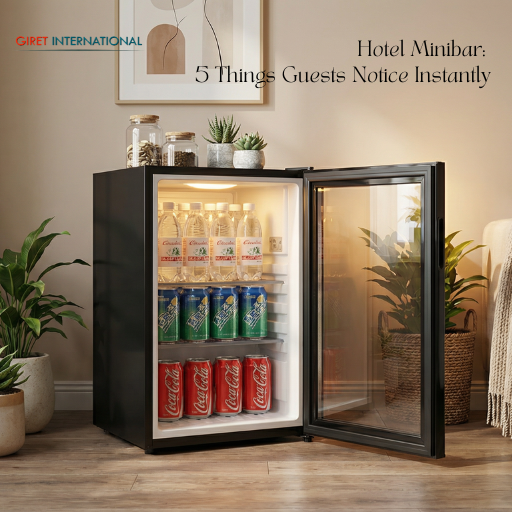
Hotel Minibar is one of those in-room elements guests notice without consciously thinking about it. They may not mention it at the reception desk, but it quietly shapes their first impression of the room. In modern hospitality, where guest expectations are high and attention spans are short, small details decide whether a room feels premium, average, or disappointing.
The moment a guest enters a room, scans the layout, and starts settling in, the Hotel Minibar sends silent signals about comfort, convenience, and care. This blog breaks down the five exact things guests notice instantly and why smart hotels treat minibar selection as a guest experience decision, not just an appliance purchase.
Why the Hotel Minibar Shapes First Impressions
Guests may arrive tired, excited, or stressed but they all do one thing: they quickly scan the room. The Hotel Minibar is often part of this first scan, especially in business and premium hotels.
A minibar that looks cramped, noisy, or poorly placed creates friction instantly. A well-chosen Hotel Minibar, on the other hand, blends into the room and reassures guests that the hotel has thought through the details.
First impressions are emotional, not logical and minibars play a quiet role in shaping them.
Thing 1: Hotel Minibar Placement and Accessibility
The first thing guests notice is where the minibar is placed. If they have to search for it, bend awkwardly, or move furniture, frustration sets in immediately.
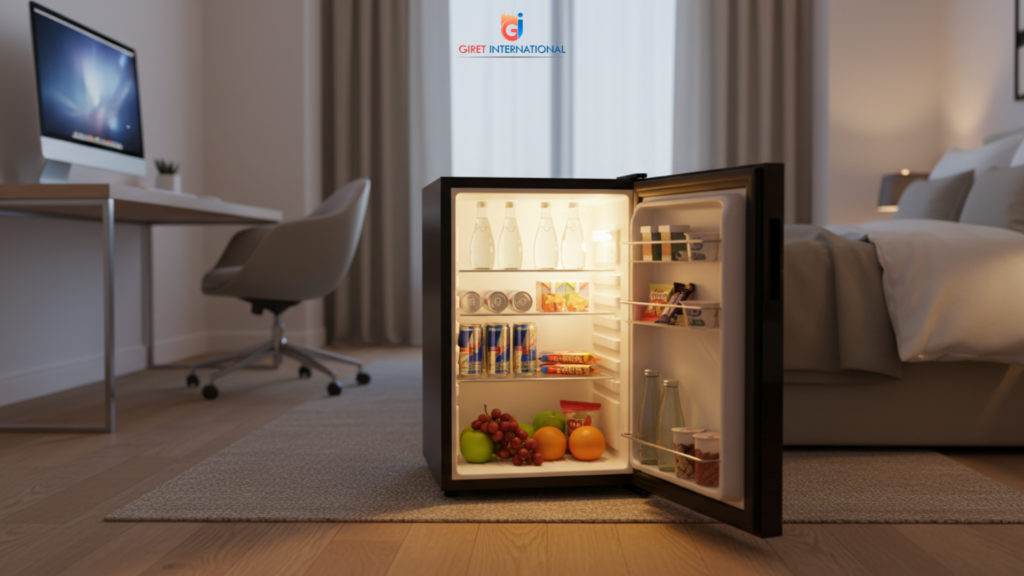
A thoughtfully placed Hotel Minibar:
- Is easy to locate
- Opens smoothly without obstruction
- Does not block walking space
Guests appreciate when access feels natural. Poor placement, even with a good product, feels careless. This is why hotels design minibar placement as part of room flow, not as an afterthought.
Thing 2: Hotel Minibar Size and Usable Space
Once guests open the minibar, they instantly judge capacity and usability. A Hotel Minibar that looks too small feels restrictive. One that looks oversized feels unnecessary.
Guests usually expect space for:
- Bottled water
- Soft drinks
- Small snacks
- Personal items
This is where size matters. Many hotels now standardize on mid-capacity units because they balance comfort and practicality. The logic behind ideal sizing is explained in detail in
Hotel Minibar: Why 55L Is Ideal for Guest Rooms.
Guests may not know the exact capacity, but they instantly feel whether it is “enough.”
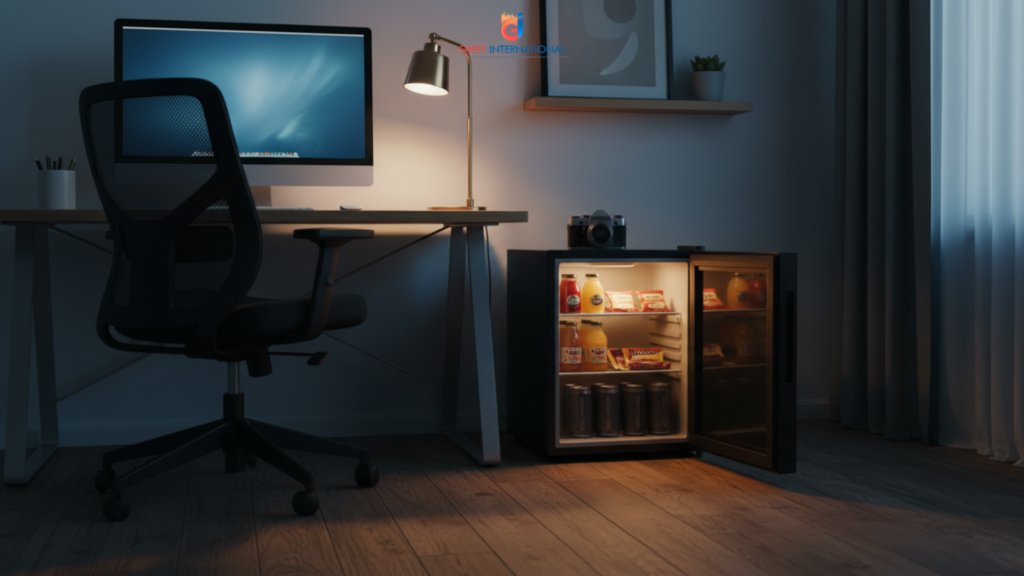
Thing 3: Hotel Minibar Noise and Silent Comfort
Noise is one of the fastest ways to lose guest trust. Guests may tolerate minor inconveniences, but they rarely forgive sleep disturbance.
A Hotel Minibar that hums, clicks, or vibrates becomes noticeable at night—especially in quiet rooms. Guests may not complain directly, but it affects:
- Sleep quality
- Room comfort perception
- Overall stay satisfaction
Silent operation is not a luxury anymore; it is an expectation. Guests instantly notice when a minibar is quiet and even more instantly when it is not.
Thing 4: Hotel Minibar Cleanliness and Visual Appeal
Guests judge cleanliness visually before anything else. The Hotel Minibar is often inspected subconsciously when guests open it.
What guests notice instantly:
- Clean shelves
- No stains or residue
- Clear visibility of contents
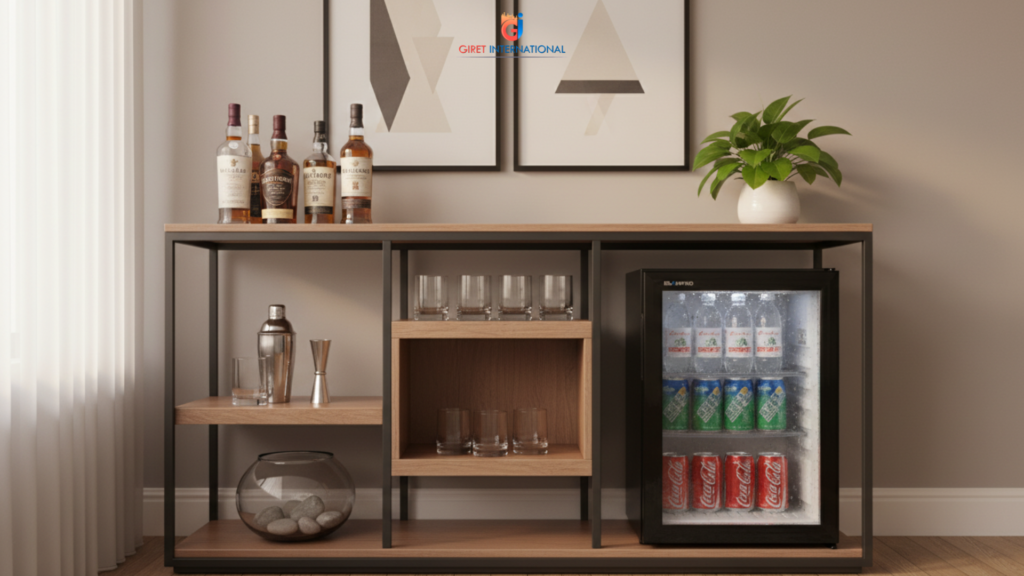
A minibar that looks clean reinforces trust in the hotel’s hygiene standards. A dusty or stained unit raises doubts not just about the minibar, but about the room as a whole.
Visual appeal matters too. Modern guests prefer minibars that look integrated, not industrial or outdated.
Thing 5: Hotel Minibar Cooling Performance
The final instant judgment happens when guests touch a bottle. If it is not cold enough, disappointment follows immediately.
A reliable Hotel Minibar:
- Maintains stable cooling
- Recovers temperature quickly after opening
- Keeps drinks consistently chilled
Guests do not analyze technology they simply expect results. Poor cooling performance feels like a broken promise, especially after travel.
This is why performance stability matters more than peak cooling claims in hotel environments.
How These Details Influence Guest Satisfaction
Each of these five elements may seem small, but together they shape guest perception. A Hotel Minibar that performs well in all five areas creates:
- A sense of thoughtfulness
- Perceived room quality upgrade
- Higher comfort satisfaction
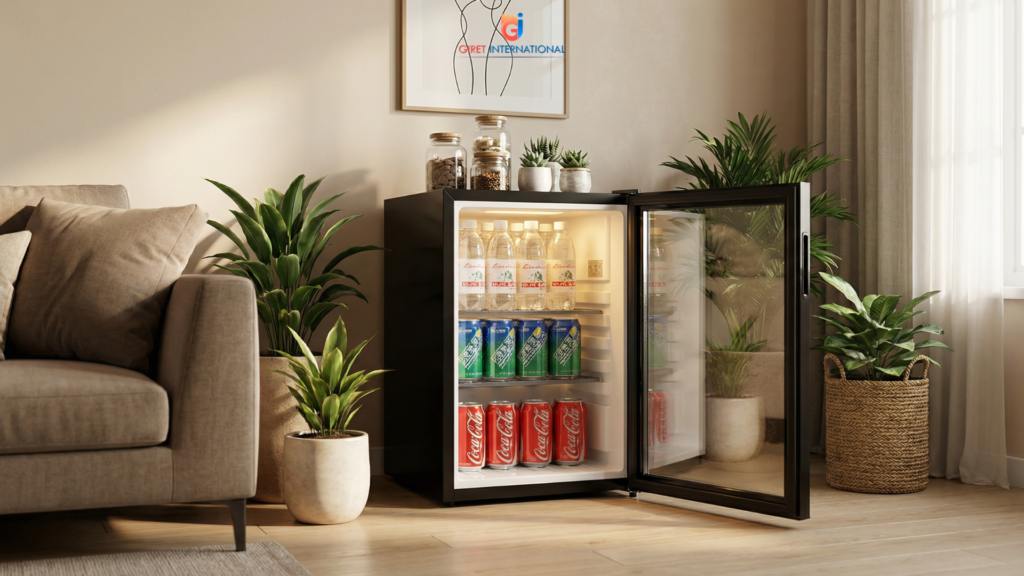
Guests may never mention the minibar in reviews but they often mention comfort, quietness, and room quality. The minibar contributes quietly to all three.
Why Hotels Cannot Ignore Minibar Experience
Modern hospitality is detail-driven. Guests compare experiences across hotels constantly. When expectations are met effortlessly, satisfaction rises. When small things fail, dissatisfaction lingers.
Ignoring Hotel Minibar experience leads to:
- Negative subconscious impressions
- Reduced perceived value of the room
- Lower likelihood of repeat stays
Hotels that invest in guest-centric minibar choices protect their brand reputation without additional service effort.
Hotel Minibar as a Silent Brand Signal
Every in-room element communicates something about the hotel. A well-chosen Hotel Minibar signals:
- Attention to detail
- Respect for guest comfort
- Operational professionalism
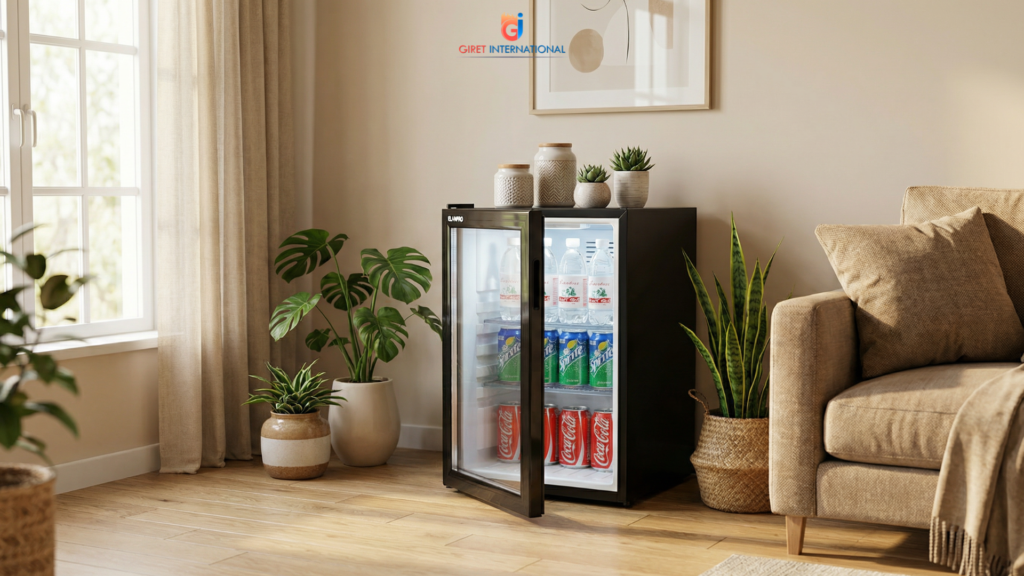
Guests may not say “great minibar,” but they feel “this room works.” That feeling matters more than words.
Connecting Guest Perception with Smart Minibar Choices
Guest satisfaction does not happen by accident. It is engineered through decisions about size, placement, noise control, cleanliness, and performance.
Hotels that understand this treat minibar selection as part of guest experience design—not as a procurement checkbox. When size and usability are aligned correctly, many other benefits follow naturally.
This is why starting with the right foundation, as explained in the previous pillar blog, is essential before layering advanced features.
Final Guest-Centric Takeaway
A Hotel Minibar is noticed instantly even when guests don’t realize they are noticing it. Placement, size, silence, cleanliness, and cooling performance all shape first impressions within minutes of check-in.
Hotels that get these five elements right create rooms that feel comfortable, thoughtful, and premium without saying a word. In a competitive hospitality landscape, these quiet wins often make the difference between an average stay and a memorable one.
Because in hotels, the best experiences are the ones guests never have to think about they just feel right.
About Giret International
Contact Us
Hospitality Products
Instagram | Facebook | Pinterest | YouTube | X (Twitter)