
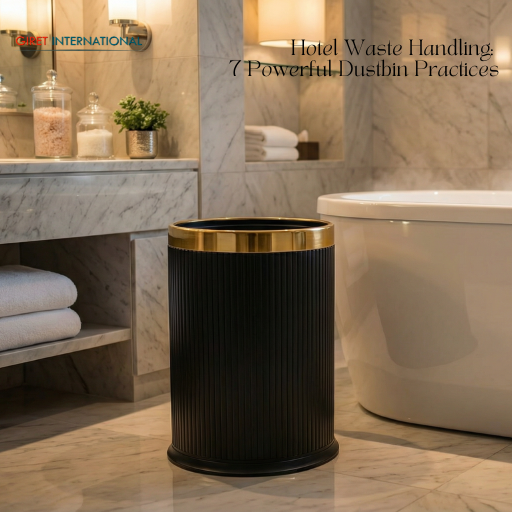
Hotel Waste Handling is one of the most underestimated systems in hospitality operations, yet it silently decides hygiene quality, staff efficiency, and guest perception. High-performing hotels don’t rely on cleaning alone they rely on structured waste handling practices that work every hour of the day, across rooms, bathrooms, public areas, and staff zones.
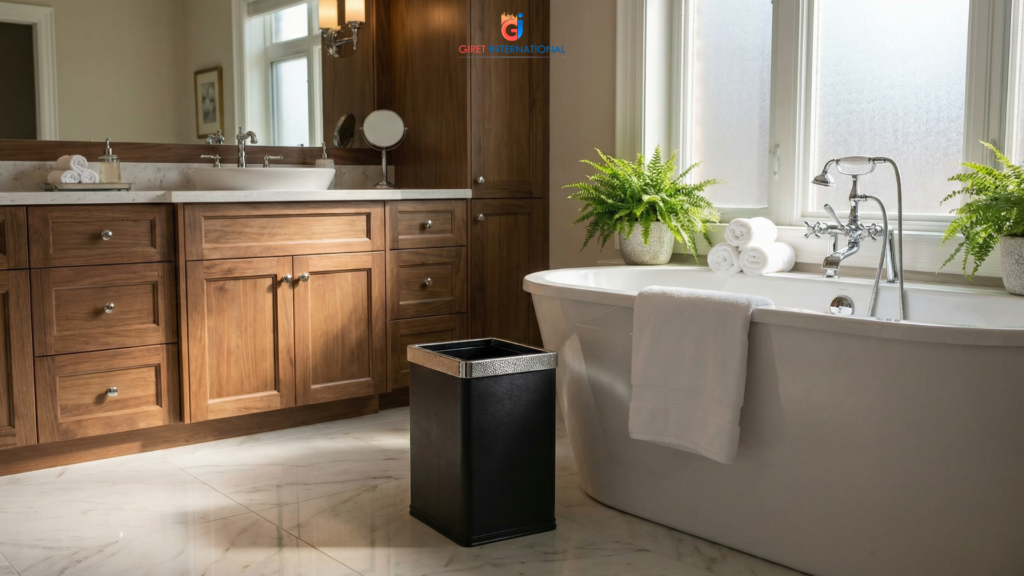
Poor waste handling creates invisible chaos: delayed housekeeping, hygiene risks, cluttered back-of-house areas, and inconsistent standards. Strong Hotel Waste Handling, on the other hand, creates order, speed, and reliability. This blog breaks down the exact dustbin practices followed by hotels that consistently score high on cleanliness and operational efficiency.
Why Hotel Waste Handling Needs a System
Waste is generated everywhere in a hotel guest rooms, bathrooms, corridors, restaurants, housekeeping stations, and staff areas. Without a system, waste handling becomes reactive instead of controlled.
Strong Hotel Waste Handling is not about more bins; it is about right bins, right placement, and right practices. Hotels that treat waste handling as a system reduce friction across departments and maintain consistent hygiene even during peak occupancy.
A system ensures waste never becomes visible, disruptive, or unhygienic.
Practice 1: Area-Based Dustbin Allocation
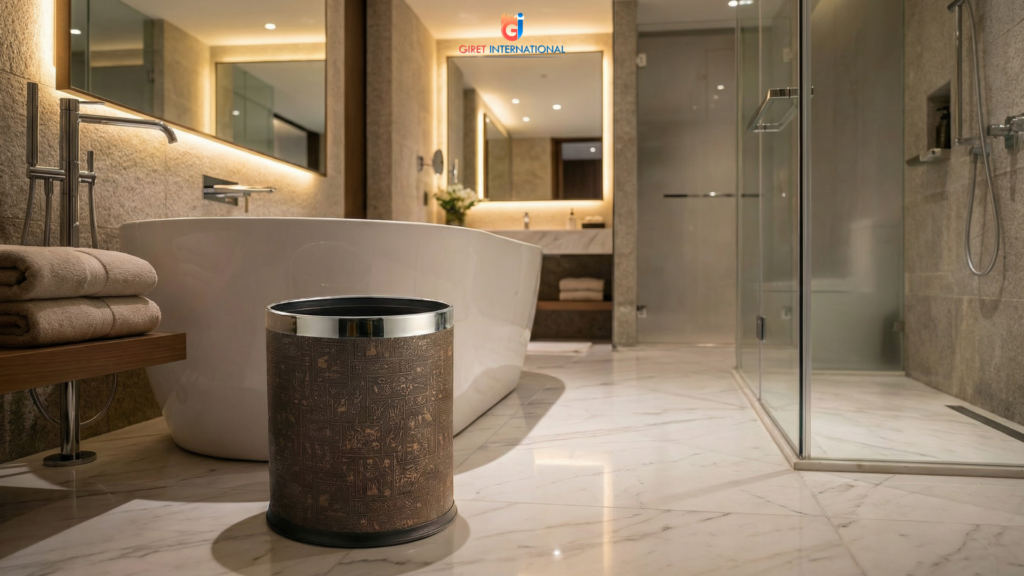
High-performing hotels never use the same dustbin everywhere. Different areas generate different waste, and Hotel Waste Handling begins by matching dustbins to their specific use zones.
Hotels allocate bins separately for:
- Guest rooms
- Bathrooms
- Public areas
- Housekeeping stations
- Staff and back-of-house zones
This practice prevents misuse, overflow, and hygiene confusion. Area-based allocation creates clarity for both guests and staff, making waste disposal intuitive and controlled.
Practice 2: Clear Separation of Waste Types
One of the most critical elements of Hotel Waste Handling is waste separation. Mixing waste types increases hygiene risks and slows cleaning routines.
High-performing hotels separate:
- Dry room waste
- Bathroom waste
- Housekeeping waste
- Staff-area operational waste
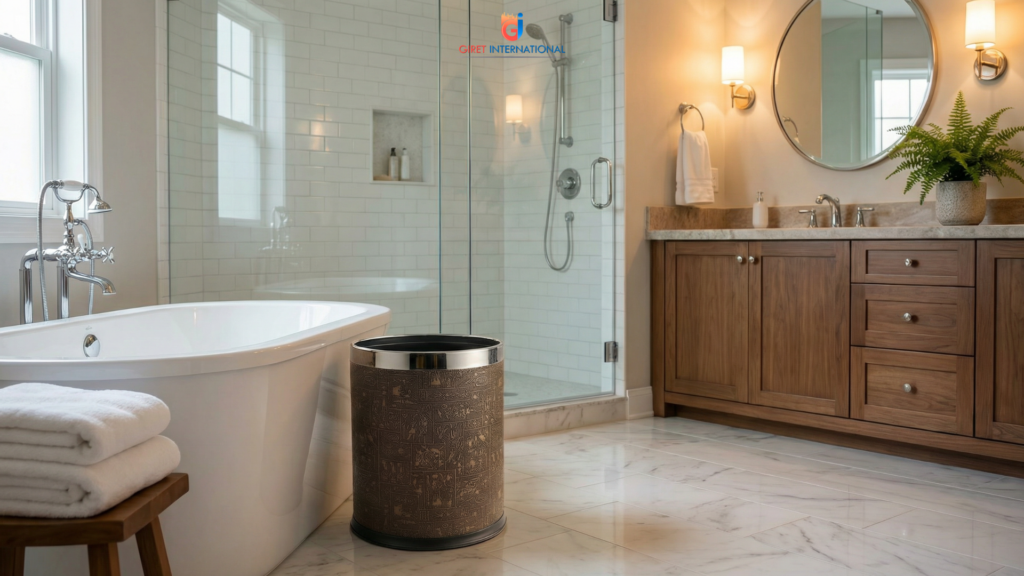
Clear separation simplifies disposal, improves hygiene control, and supports faster housekeeping cycles. It also reduces odor issues and cross-contamination risks.
Hotels that ignore this practice often struggle with recurring hygiene complaints.
Practice 3: Standardized Dustbins Across Operations
Consistency is a silent efficiency booster. Hotels that standardize dustbins across similar zones maintain predictable routines and reduce training complexity.
In Hotel Waste Handling, standardization means:
- Same dustbin type for all guest rooms
- Same dustbin type for all bathrooms
- Same dustbin type for staff zones
This allows staff to work without hesitation. Supervisors can identify issues quickly, and replacements become easier. Standardization removes guesswork from daily operations.
Practice 4: Placement That Supports Workflow
Dustbin placement directly affects speed and cleanliness. Poor placement forces staff to walk more, bend awkwardly, or leave waste temporarily on surfaces.
Strong Hotel Waste Handling follows placement logic:
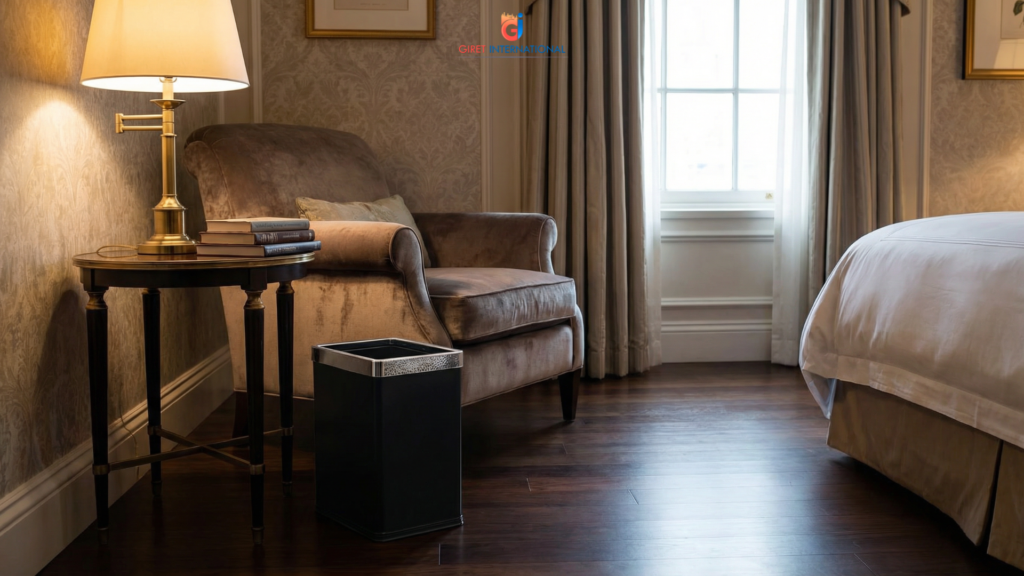
- Dustbins near work zones
- No obstruction to movement
- Easy access during cleaning
This practice is especially important for operational teams, as explained in
Hotel Housekeeping Dustbin: 5 Smart Efficiency Wins, where workflow efficiency depends heavily on tool positioning.
Correct placement reduces wasted motion and improves overall productivity.
Practice 5: Hygiene-First Cleaning Discipline
Dustbins are cleaned tools, not ignored containers. High-performing hotels include dustbins in their daily hygiene checklist.
Effective Hotel Waste Handling ensures:
- Dustbins are cleaned during every room service
- Staff-area bins are sanitized regularly
- No residue or odor is allowed to build up
This discipline prevents bacteria buildup and protects hygiene perception. Dustbins that look clean support the idea that the entire space is clean.
Practice 6: Staff-Focused Waste Handling Tools
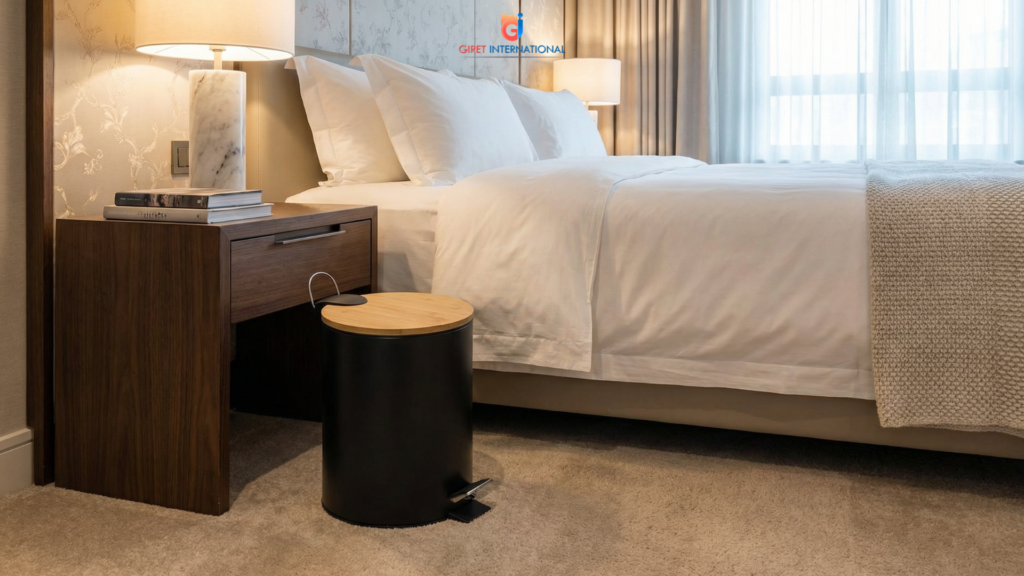
Behind-the-scenes efficiency defines front-of-house quality. Hotels that excel in Hotel Waste Handling equip staff with dustbins designed for operational use—not guest aesthetics.
Staff-area dustbins are chosen for:
- Easy carrying and emptying
- Spill control
- Heavy daily usage
This practice reduces stress and errors in staff zones. The operational impact of staff-area dustbins is explored further in
Dustbin for Hotel Staff: 3 Proven Operational Benefits.
When staff tools work smoothly, service quality improves automatically.
Practice 7: Continuous Monitoring and Improvement
Waste handling is not a one-time setup. High-performing hotels regularly review their Hotel Waste Handling systems.
They monitor:
- Overflow incidents
- Cleaning delays
- Staff feedback
- Hygiene audit results

Based on these insights, they adjust placement, capacity, or frequency of waste removal. Continuous improvement ensures the system evolves with occupancy levels and operational changes.
How These Practices Improve Daily Hotel Operations
When these seven practices work together, hotels experience:
- Faster housekeeping turnaround
- Better hygiene consistency
- Reduced operational stress
- Higher cleanliness ratings
Strong Hotel Waste Handling supports every department quietly. Guests may never notice the system, but they feel the results through clean spaces, smooth service, and professional standards.
Hotel Waste Handling as a Competitive Advantage
In competitive hospitality markets, small operational advantages matter. Hotels that master waste handling reduce complaints, improve reviews, and protect brand reputation.
While décor and amenities attract guests, cleanliness and hygiene make them return. Waste handling practices sit at the foundation of that trust.
Final Operational Takeaway
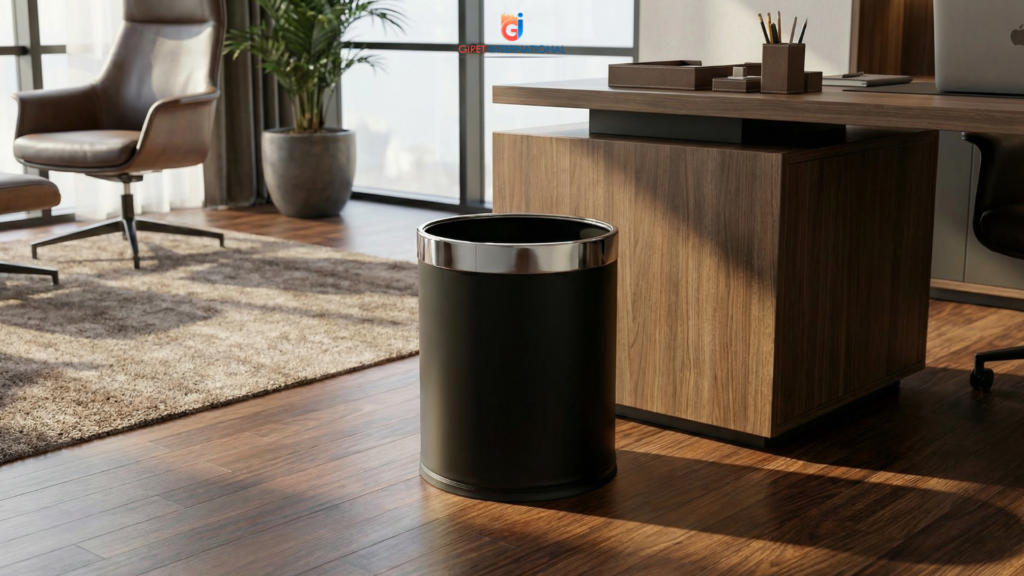
Hotel Waste Handling is not about dustbins alone it is about discipline, placement, and consistency. The seven practices outlined here are followed by hotels that operate smoothly even under pressure.
Area-based allocation, waste separation, standardization, smart placement, hygiene discipline, staff-focused tools, and continuous improvement together form a resilient waste handling system.
In hospitality, excellence is built behind the scenes. And when waste handling works silently and efficiently, everything else feels effortless to the guest.
About Giret International
Contact Us
Hospitality Products
Instagram | Facebook | Pinterest | YouTube | X (Twitter)