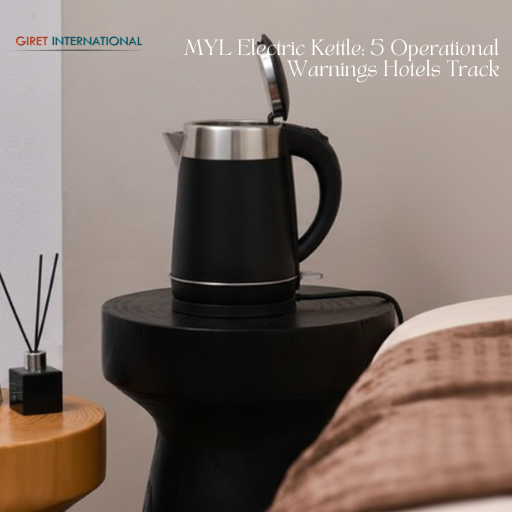
MYL Electric Kettle plays a quiet but critical role in daily hotel operations. While guests see it as a simple in-room convenience, hotels treat it as a monitored utility that directly affects safety, maintenance load, and room readiness. Unlike decorative amenities, a kettle involves heat, water, electricity, and independent guest usage making operational awareness essential.

Hotels do not wait for failures or complaints to act. Instead, they track specific operational warnings early signals that indicate misuse, wear, or potential safety deviations. These warnings help teams intervene before problems escalate into room downtime or guest dissatisfaction.
This article explains the five key operational warnings hotels consistently track when managing MYL Electric Kettle performance across rooms.
Why Operational Warnings Matter in Hotel Rooms
Hotels operate at scale. Even a minor appliance deviation, when multiplied across dozens or hundreds of rooms, can disrupt operations. Operational warnings act as early alerts, allowing hotels to maintain consistency without emergency interventions.
Unlike visible damage, warnings are subtle. They appear as patterns—slight performance changes, repeated safety triggers, or handling irregularities. Hotels that track these signals maintain smoother room turnover, lower replacement costs, and better guest trust.
MYL Electric Kettle Misuse Pattern Indicators
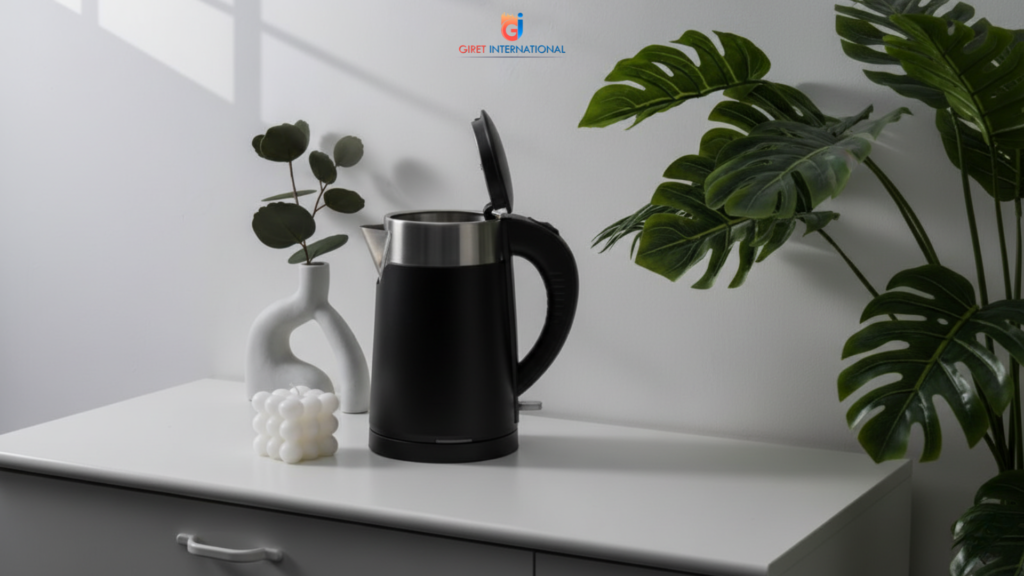
MYL Electric Kettle misuse patterns are among the first operational warnings hotels observe. These patterns do not always involve damage, but they indicate guest behavior that could lead to it.
Examples include:
- Kettle being switched on repeatedly without sufficient water
- Lid forced open incorrectly
- Kettle repositioned away from designated surfaces
Housekeeping teams often report these signs during daily room resets. When such patterns appear repeatedly, hotels flag the room for closer monitoring or preventive checks.
To understand how misuse overlaps with safety monitoring, hotels often reference insights discussed in “MYL Electric Kettle: 6 Safety Concerns Hotels Monitor Daily.”
MYL Electric Kettle Auto Cut-Off Trigger Frequency
MYL Electric Kettle auto cut-off activation frequency is a valuable operational signal. While cut-off mechanisms exist for safety, unusually frequent activation may indicate:
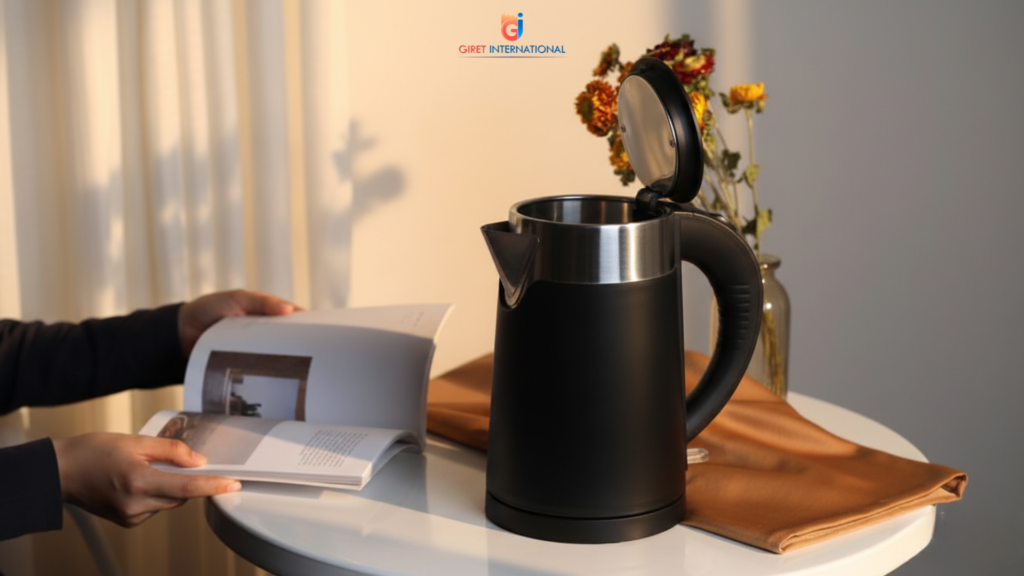
- Dry-use attempts
- Overheating due to repeated boiling
- Incorrect water-level habits
Hotels track how often cut-off systems are triggered across rooms. A spike in frequency does not mean failure but it does signal that guest behavior or room usage patterns require attention.
Engineering teams may recalibrate monitoring schedules or adjust housekeeping inspection routines based on these signals.
MYL Electric Kettle Water Level Monitoring Signals
MYL Electric Kettle water level visibility plays a major role in operational control. Hotels monitor water window clarity and residue buildup because unclear visibility often leads to incorrect usage.
Operational warnings include:
- Guests consistently underfilling the kettle
- Water marks indicating frequent overfilling
- Residue affecting level visibility
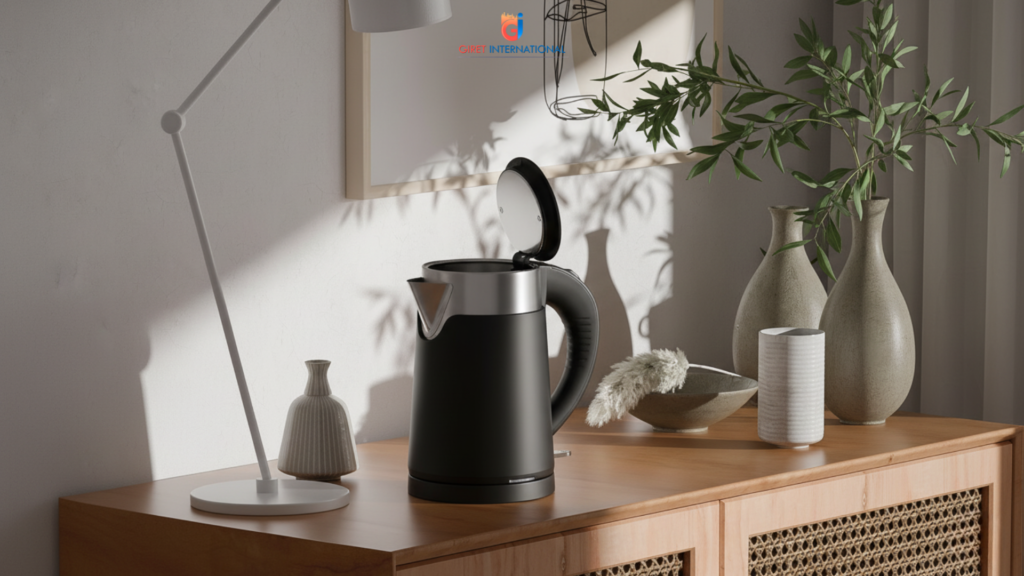
These signs prompt cleaning protocol adjustments rather than immediate replacement. Monitoring water-level signals helps hotels maintain both safety and guest convenience.
MYL Electric Kettle Heat Retention and Cool-Down Gaps
MYL Electric Kettle heat behavior after boiling provides another operational warning. Hotels observe whether kettles cool down within expected timeframes between uses.
Delayed cool-down can indicate:
- Excessive consecutive boiling
- Ventilation issues around placement
- Surface heat exposure concerns
Housekeeping teams note these patterns during room turnover, while engineering teams review them during routine checks. Early detection prevents heat-related wear and guest discomfort.
MYL Electric Kettle Placement Drift and Handling Alerts
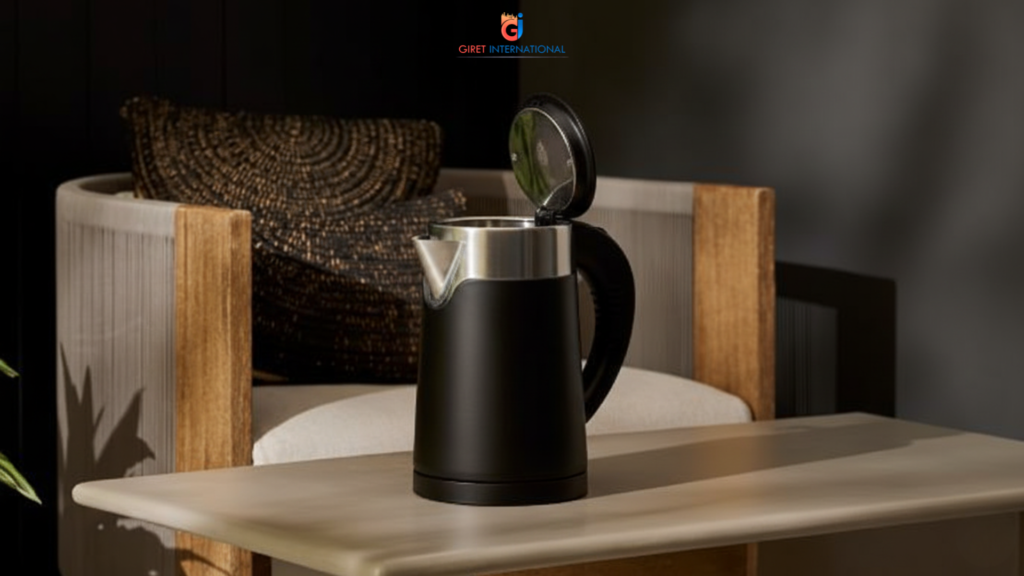
MYL Electric Kettle placement consistency is monitored daily. Over time, kettles may drift from their original placement due to guest movement or cleaning variations.
Hotels track:
- Kettles placed near sinks
- Power cords under tension
- Bases shifted toward edges
These are operational warnings, not failures. However, consistent placement drift can increase risk exposure. Hotels respond by reinforcing placement standards during staff training.
How Hotels Act on Operational Warnings
Operational warnings do not trigger panic they trigger process correction. Hotels follow structured response paths:
- Housekeeping flags unusual signs
- Engineering validates appliance condition
- Supervisors log patterns across rooms

This layered response ensures no single department bears full responsibility. Warnings are reviewed collectively, allowing hotels to act strategically rather than reactively.
Operational Monitoring vs Reactive Maintenance
Hotels that rely only on reactive maintenance face higher costs and guest dissatisfaction. Operational monitoring allows hotels to act before complaints arise.
By tracking MYL Electric Kettle warning signals:
- Appliance lifespan increases
- Room downtime decreases
- Staff efficiency improves
This proactive approach aligns with modern hospitality standards where prevention is more valuable than repair.
Internal Process Alignment Across Departments
Effective monitoring requires coordination. Housekeeping, engineering, and operations teams must speak the same language.

Hotels often align warning categories misuse, heat behavior, water handling, placement so all teams interpret signals consistently. This alignment improves reporting accuracy and reduces internal friction.
For a broader understanding of how safety signals integrate with daily monitoring, hotels frequently cross-reference “MYL Electric Kettle: 6 Safety Concerns Hotels Monitor Daily.”
Conclusion
MYL Electric Kettle operational warnings provide hotels with valuable insight into how rooms function beyond surface cleanliness. By tracking misuse patterns, cut-off frequency, water-level signals, heat behavior, and placement drift, hotels maintain control without disrupting guest independence.
These warnings are not signs of failure they are indicators of engagement, usage, and operational health. Hotels that monitor them effectively achieve smoother operations, safer rooms, and more predictable performance.
In hospitality, consistency is success and operational awareness makes that consistency possible.
About Giret International
Contact Us
Hospitality Products
Instagram | Facebook | Pinterest | YouTube | X (Twitter)