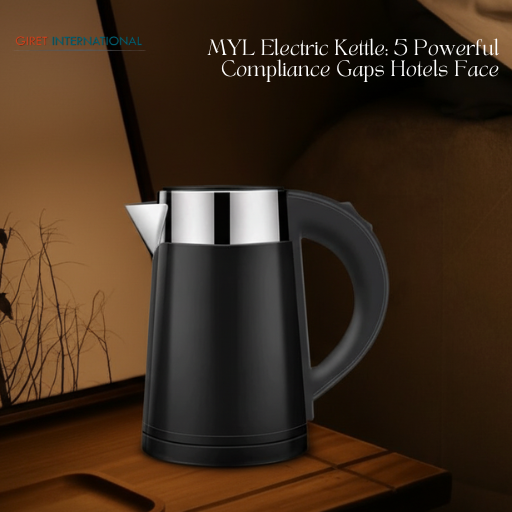
Introduction: Compliance Pressure in Modern Hotels
MYL Electric Kettle selection is no longer a simple procurement decision for hotels. In today’s hospitality environment, compliance expectations have increased sharply. Hotels are now required to manage guest safety, appliance misuse, hygiene exposure, and room-level operational risks in a consistent manner.
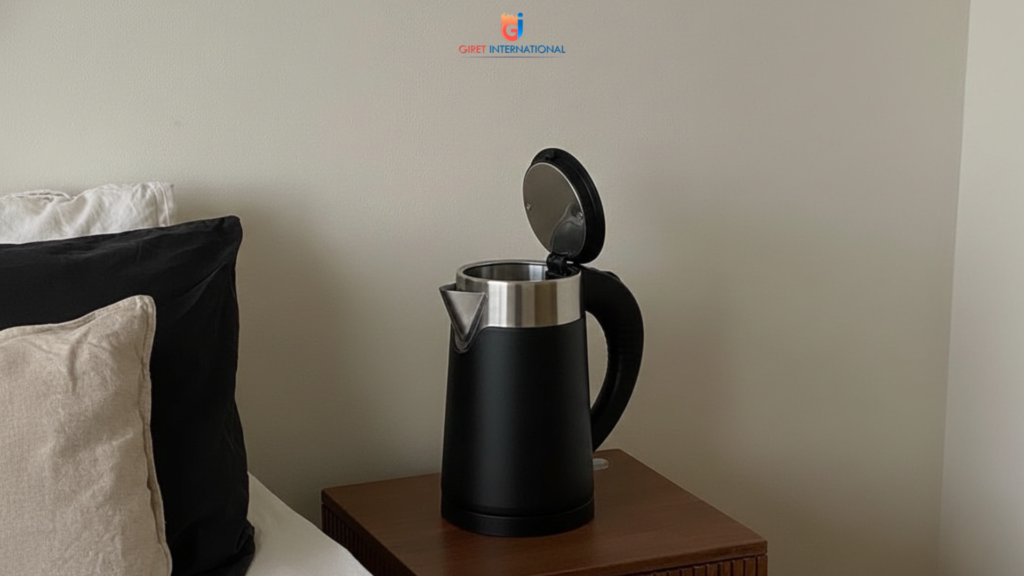
Small appliances such as kettles often become hidden compliance risks. When not designed for hotel use, they create repeated safety violations, guest complaints, and operational inconsistencies. This is where structured compliance thinking becomes essential.
Hotels that fail to address kettle-related risks often face higher maintenance costs, safety incidents, and inconsistent guest experiences across rooms.
MYL Electric Kettle and Compliance in Hotel Operations
MYL Electric Kettle is designed specifically to address common compliance gaps seen in hospitality rooms. Its specifications focus on controlled boiling, visible water management, and built-in protection systems that help hotels maintain operational discipline.
Compliance is not only about regulations it is also about internal standards. Hotels aim to ensure that every room behaves the same way, every time, regardless of guest behavior.
This is where the correct kettle design becomes a compliance asset instead of a liability.
MYL Electric Kettle: Compliance Gap 1 – Dry-Boil Safety Control
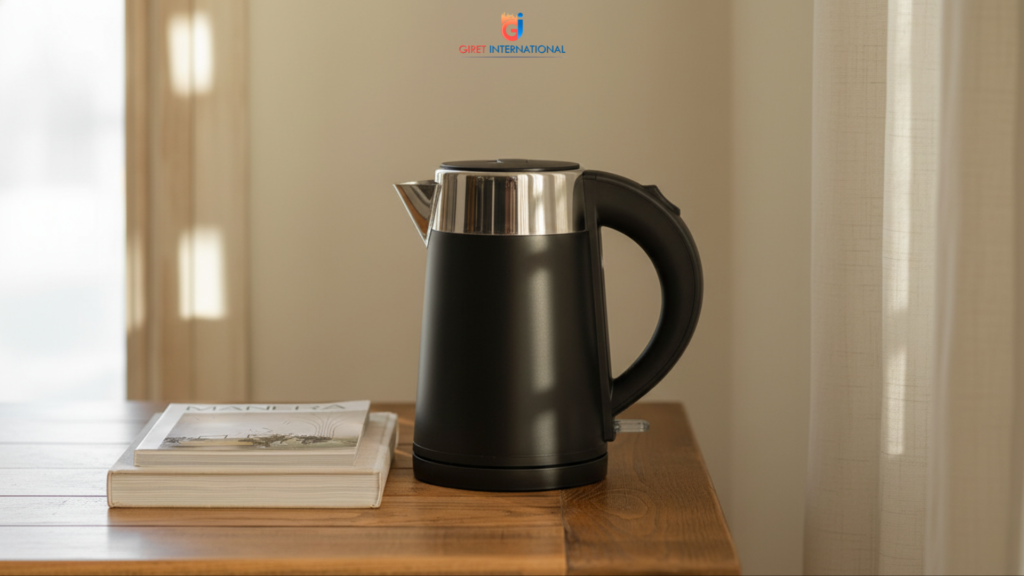
One of the most common compliance failures in hotel rooms is dry-boil incidents. Guests often switch on kettles without checking water levels, especially during late-night or early-morning use.
MYL Electric Kettle addresses this issue through built-in dry-boil protection. This feature automatically prevents overheating when water levels are insufficient, reducing the risk of electrical failure or damage.
From a compliance standpoint, this helps hotels:
- Reduce fire-risk exposure
- Prevent damage claims
- Maintain appliance lifespan
- Meet internal safety protocols
Dry-boil protection is no longer optional in hospitality it is a baseline requirement.
MYL Electric Kettle: Compliance Gap 2 – Auto Cut-Off Reliability
Another major compliance gap hotels face is inconsistent shut-off behavior in low-quality kettles. Appliances that continue heating beyond boiling create safety hazards and energy misuse.
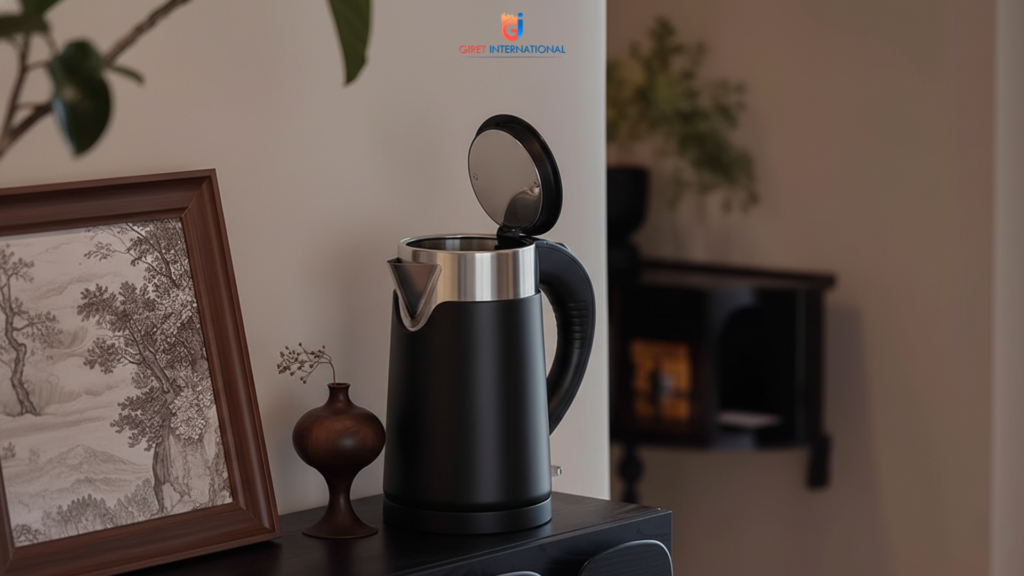
MYL Electric Kettle includes an automatic cut-off mechanism that ensures heating stops once boiling is complete. This protects guests, staff, and room infrastructure.
Auto cut-off compliance supports:
- Electrical safety standards
- Energy usage control
- Reduced overheating incidents
- Consistent appliance behavior across rooms
Hotels that standardize kettles with reliable cut-off systems reduce operational supervision requirements.
MYL Electric Kettle: Compliance Gap 3 – Water Window Usage Discipline
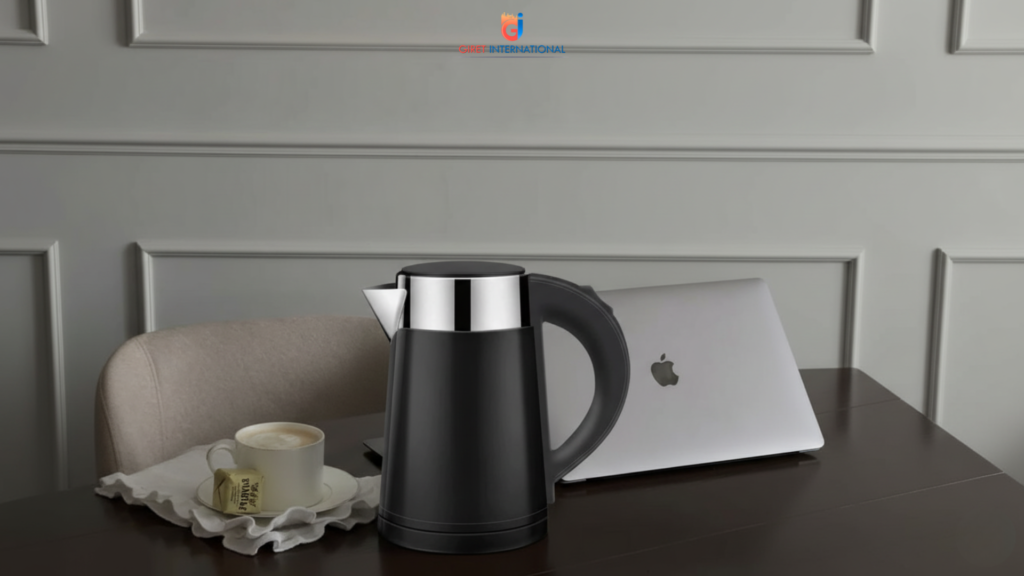
Water visibility plays a critical role in compliance. Without a water window, guests often overfill or underfill kettles, increasing the likelihood of spillage or dry-boil incidents.
MYL Electric Kettle includes a visible water window, allowing guests and housekeeping staff to easily confirm correct water levels before use.
This feature helps hotels maintain:
- Safer guest usage
- Reduced spill-related complaints
- Faster housekeeping checks
- Better hygiene management
Visible water indicators support both guest autonomy and operational control.
MYL Electric Kettle: Compliance Gap 4 – Double-Wall Safety Standards
Surface temperature is another overlooked compliance issue. Single-wall kettles often become dangerously hot during operation, increasing the risk of accidental burns.
MYL Electric Kettle uses a double-wall construction (SS201 + ABS), ensuring the exterior remains safer to touch during use. This is especially important in family hotels, business hotels, and properties with elderly guests.
Double-wall compliance benefits include:
- Reduced burn risk
- Improved guest confidence
- Alignment with hotel safety policies
- Lower incident reporting
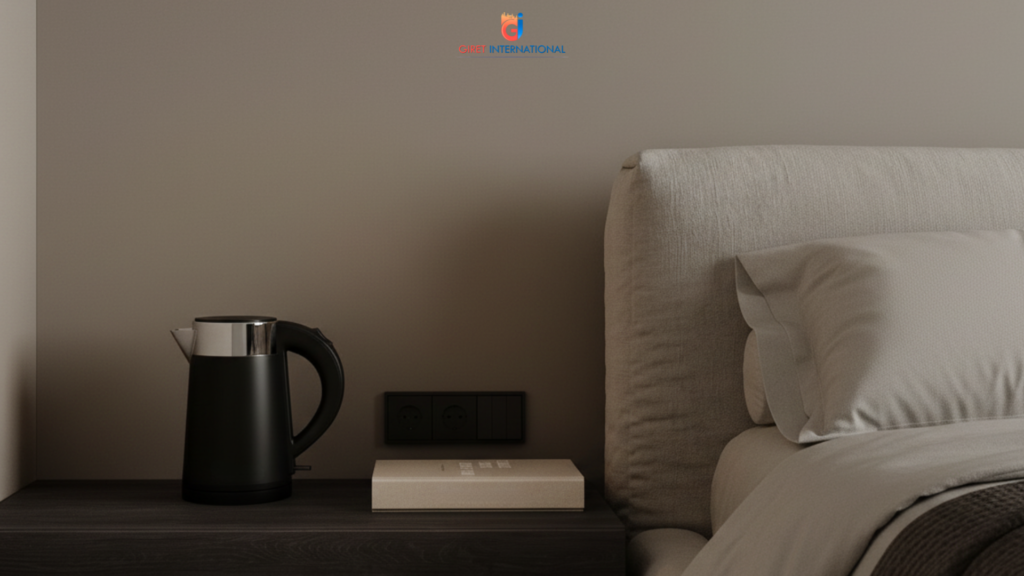
This construction directly supports guest safety compliance benchmarks.
Internal Link:
MYL Electric Kettle: 6 Powerful Risk Areas Hotels Monitor
MYL Electric Kettle: Compliance Gap 5 – Room Handling & Guest Misuse
Hotels cannot control how every guest uses appliances, but they can control how appliances respond to misuse.
MYL Electric Kettle is designed to tolerate common guest errors such as:
- Incorrect lid handling
- Frequent on-off switching
- Partial filling
- Repeated daily usage
By limiting damage from misuse, hotels maintain compliance without constant intervention from housekeeping or engineering teams.
This results in:
- Fewer service calls
- Lower replacement frequency
- Predictable room readiness
- Reduced staff workload
How Hotels Reduce Compliance Risk Through Standardization
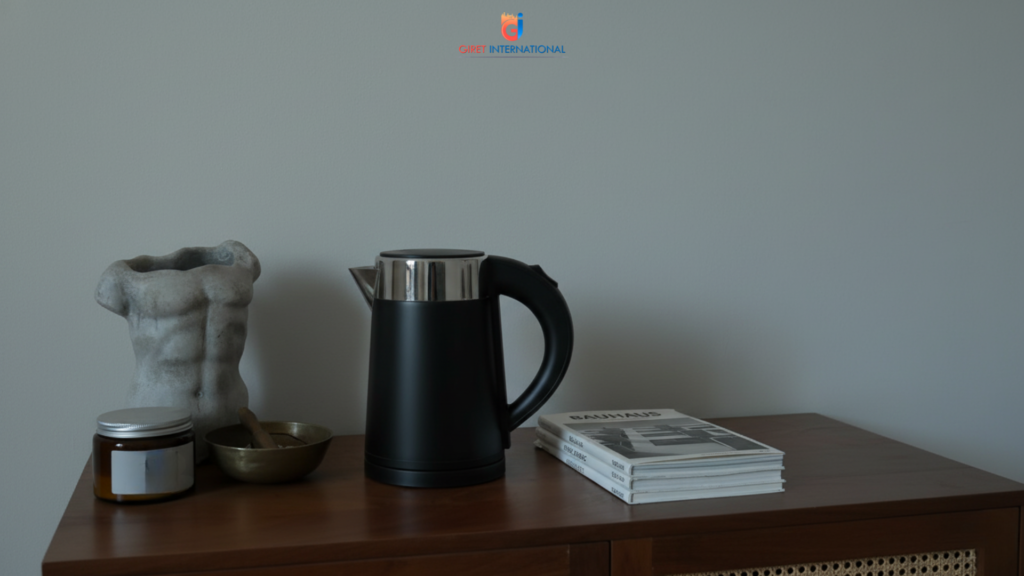
Standardization is the backbone of compliance. When every room uses the same kettle model, hotels can train staff more effectively and reduce inspection complexity.
Using MYL Electric Kettle across properties allows hotels to:
- Maintain consistent safety behavior
- Simplify maintenance protocols
- Improve audit readiness
- Control operational costs
Standardized appliances create predictable environments, which compliance teams value highly.
Conclusion: Closing Compliance Gaps with the Right Kettle
Compliance challenges in hotel rooms are often caused by small appliances that were never designed for hospitality use. Kettles, in particular, must manage safety, hygiene, and guest behavior simultaneously.
MYL Electric Kettle helps hotels close critical compliance gaps through dry-boil protection, auto cut-off control, water visibility, and double-wall safety construction. These features reduce risk exposure while improving daily room operations.
For hotels aiming to improve compliance without increasing operational complexity, choosing the right kettle is a strategic decision not a minor purchase.
About Giret International
Contact Us
Hospitality Products
Instagram | Facebook | Pinterest | YouTube | X (Twitter)