
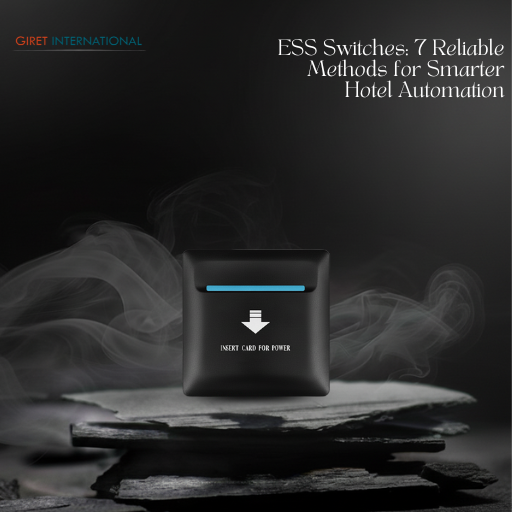
Hotel automation is rapidly shifting from luxury to necessity. As modern guests expect seamless room experiences and hotel owners demand stricter control over energy usage, automation plays a critical role in shaping the future of hospitality. Among the essential tools enabling this transformation, ESS Switches stand at the core of every smart hotel room ensuring controlled power flow, consistent room functionality, and reliable energy efficiency.
From lighting automation to HVAC regulation, from plug-load control to smart-room system stabilization, hotels now require a dependable technological foundation that enhances both guest experience and operational efficiency. Automated switches provide exactly that.
To understand more hidden energy leaks hotels commonly ignore, you can read: ESS Switches: 5 Energy-Saving Secrets Modern Hotels Ignore.
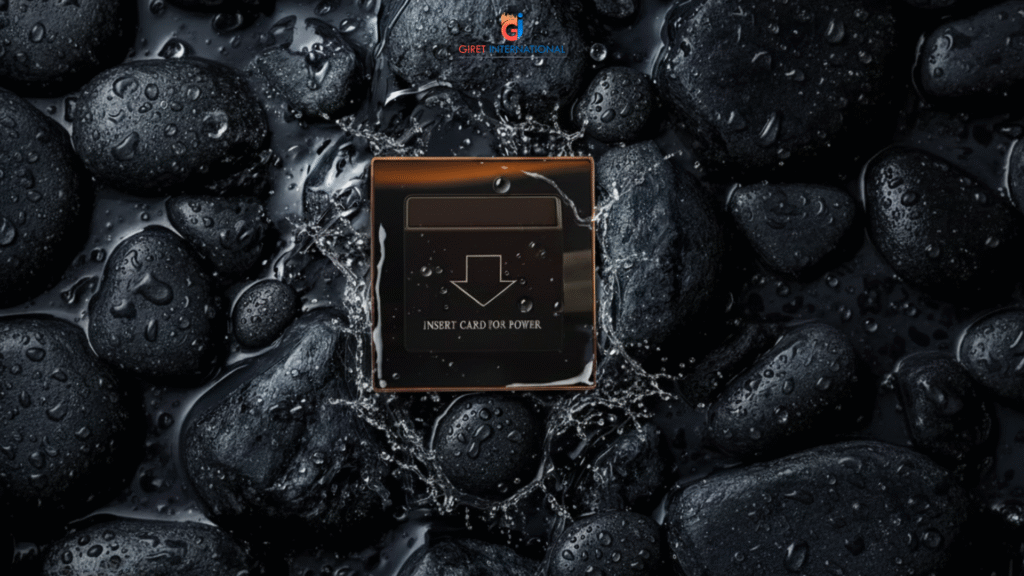
Below are seven reliable methods that help hotels achieve smarter, cleaner, and more automated room environments with precision.
1. ESS Switches and the Method of Authentic Occupancy-Based Power Control
The smartest hotel rooms begin with authentic occupancy detection. Traditional card slots often allow guests to insert anything a cardboard piece, paper cut-out, or unused plastic card to keep power running even when they leave. This leads to large amounts of waste and disrupts hotel automation.
RFID-based control fixes this instantly.
With accurate occupancy:
- Only hotel-issued key cards activate the room
- AC, lights, and appliances function only when guests are truly inside
- No bypass tricks succeed
- Power patterns stabilize across all floors
True occupancy detection is the foundation of modern hotel automation and ensures that every other automated rule works correctly.
Electricity becomes more predictable when ESS Switches validate real occupancy before supplying power.
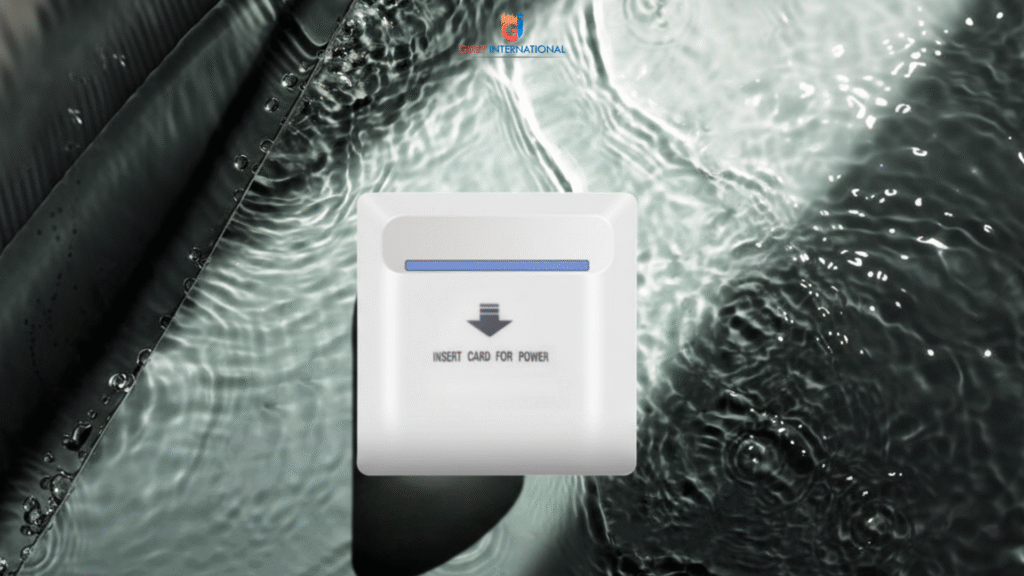
For deeper automation insights, explore:
ESS Switches: 7 Key Factors Behind Smart Hotel Energy Use.
2. ESS Switches and the Method of Controlled HVAC Automation
HVAC misuse is a common challenge in hospitality. Guests leave the AC running for hours even when they step out to dine, swim, or attend meetings. This not only wastes electricity but also puts heavy strain on compressors.
Timed HVAC shutdown solves the issue effectively.
With automated HVAC:
- AC turns off after a precise delay
- Cooling cycles remain controlled
- Energy bills reduce drastically
- HVAC equipment experiences less stress
- Rooms remain guest-ready without excessive cooling
Automated AC regulation is one of the smartest energy-saving techniques in modern hotels.
AC misuse reduces significantly when ESS Switches manage cooling cycles through timed power-off automation.
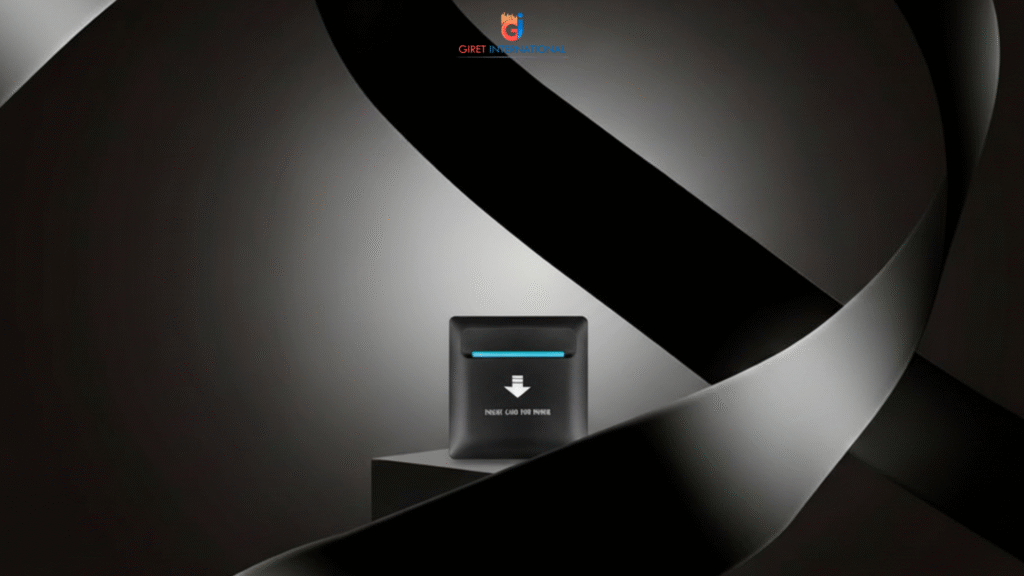
To explore more HVAC-saving techniques, check:
ESS Switches: 6 Strategic Ways Hotels Can Save Electricity.
3. ESS Switches and the Method of Automated Lighting Control
Lighting contributes heavily to operational electricity costs. Without automation, guests may leave multiple lights on even when absent from the room.
Automated lighting solves this efficiently.
When the guest removes the key card:
- Room lights shut off automatically
- Load drops instantly
- Bulb longevity increases
- Hallway brightness stabilizes
- Floor power usage becomes predictable
Lighting automation ensures consistent energy behavior, helping hotels control costs without affecting guest experience.
For more lighting optimization ideas, explore:
ESS Switches: 9 Smart Approaches for Better Hotel Power Control.
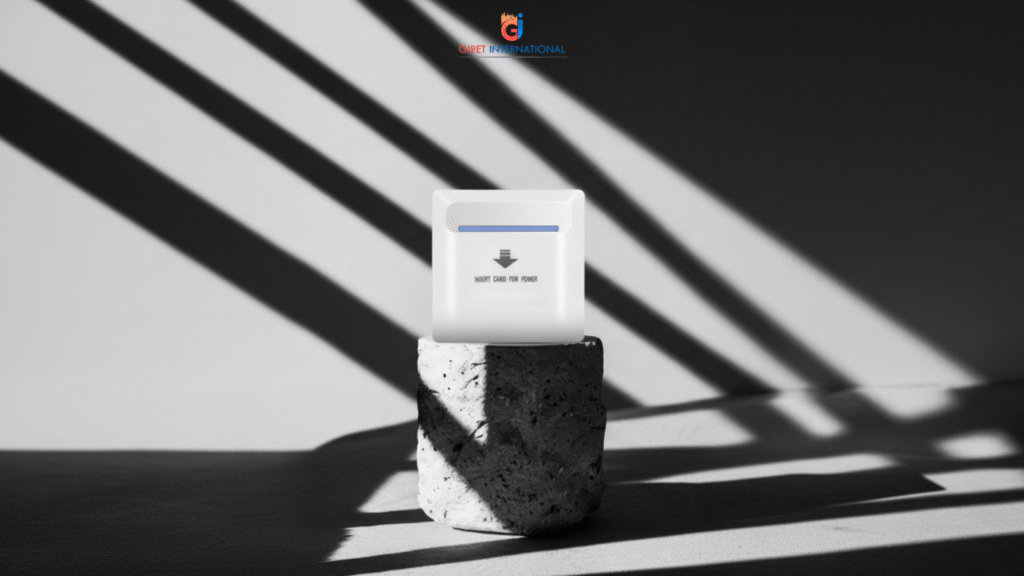
Lighting waste disappears instantly once ESS Switches turn off illumination during room vacancy.
4. ESS Switches and the Method of Eliminating Phantom Load
Phantom load refers to electricity consumed by devices even when not in active use. Appliances like kettles, phone chargers, grooming tools, and irons continue drawing current when plugged in.
This is a hidden but costly source of energy loss.
Automated plug-load control ensures:
- Sockets deactivate when the guest exits
- Phantom electricity drain becomes zero
- Overheating risks reduce
- Socket lifespan increases
- Power supply remains stable across floors
Plug-load control is one of the most reliable ways to make hotel automation efficient.
To identify more hidden inefficiencies, check:
ESS Switches: 7 Hidden Rules Behind Efficient Hotel Energy Flow.
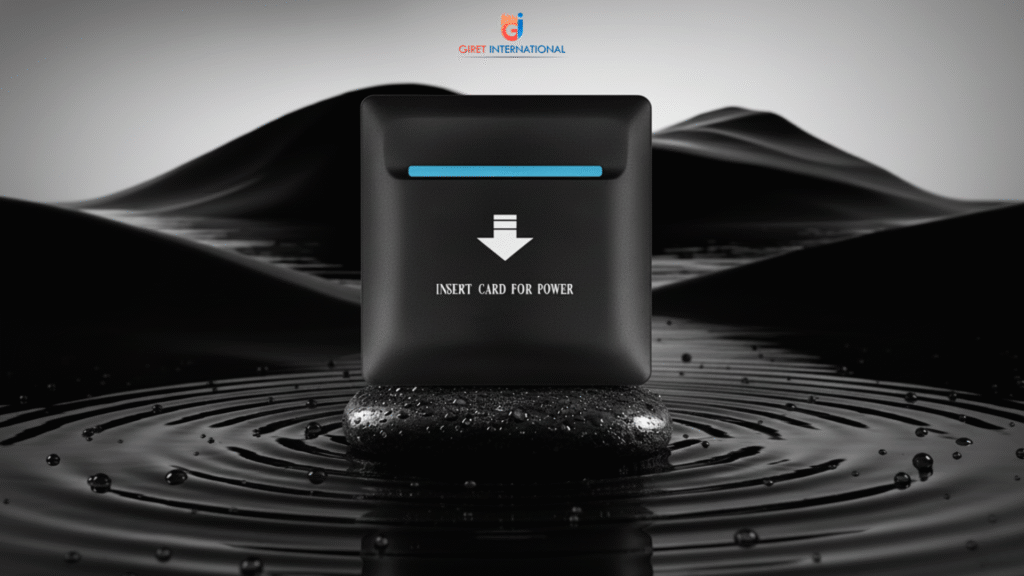
Energy leakage stops completely once ESS Switches cut off power from sockets after key card removal.
5. ESS Switches and the Method of Stabilizing Smart-Room Systems
Smart hotels depend on digital systems such as:
- Touch glass panels
- Digital DND/MUR indicators
- Doorbell systems
- Intelligent lighting panels
These systems require a stable and consistent power supply to function correctly.
Automated energy control ensures:
- No sudden power fluctuations
- Longer panel lifespan
- Fewer technical errors
- Better guest satisfaction
- Reduced maintenance workload
This reliable method ensures that smart-room experiences remain smooth and uninterrupted.

Touch panels and digital indicators work flawlessly when ESS Switches maintain uniform power flow.
6. ESS Switches and the Method of Predictable Floor-Wide Energy Behavior
Hotels are large structures with varying guest habits. Without automation, energy consumption differs drastically from room to room and floor to floor.
Predictable energy behavior solves this.
ESS automation provides:
- Identical power rules across all rooms
- Simplified monthly reporting
- Balanced energy load per floor
- Easier engineering audits
- Better long-term power forecasting
Consistent power flow is essential for any hotel aiming for stable automation.
Power consumption patterns become easier to manage when ESS Switches standardize usage rules across floors.
7. ESS Switches and the Method of Sustainable, Eco-Friendly Automation
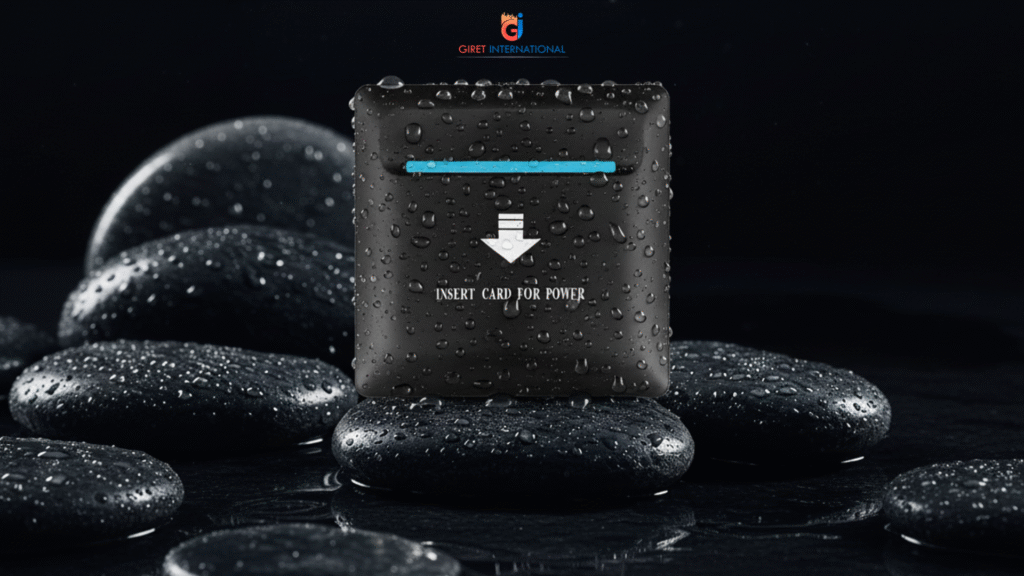
Automated hotels are greener hotels. Sustainability today is not just a trend it is a core requirement for modern hospitality brands and business travelers.
ESS-based automation supports eco-friendly operations by:
- Reducing unnecessary electricity usage
- Lowering carbon footprint
- Enhancing hotel energy ratings
- Supporting eco-certification programs
- Positioning the hotel as a responsible property
Sustainability has a direct impact on guest loyalty and brand reputation.
Hotels become significantly more sustainable when ESS Switches reduce electricity waste across all room functions.
To learn more about eco-friendly strategies, explore:
ESS Switches: 9 Smart Approaches for Better Hotel Power Control.
Why These 7 Methods Matter for Modern Hotel Automation
By following these seven reliable methods, hotels achieve:
- Lower electricity bills
- Smarter room operations
- Consistent energy behavior
- Longer equipment lifespan
- Enhanced guest experience
- Better engineering efficiency
- Higher sustainability ratings
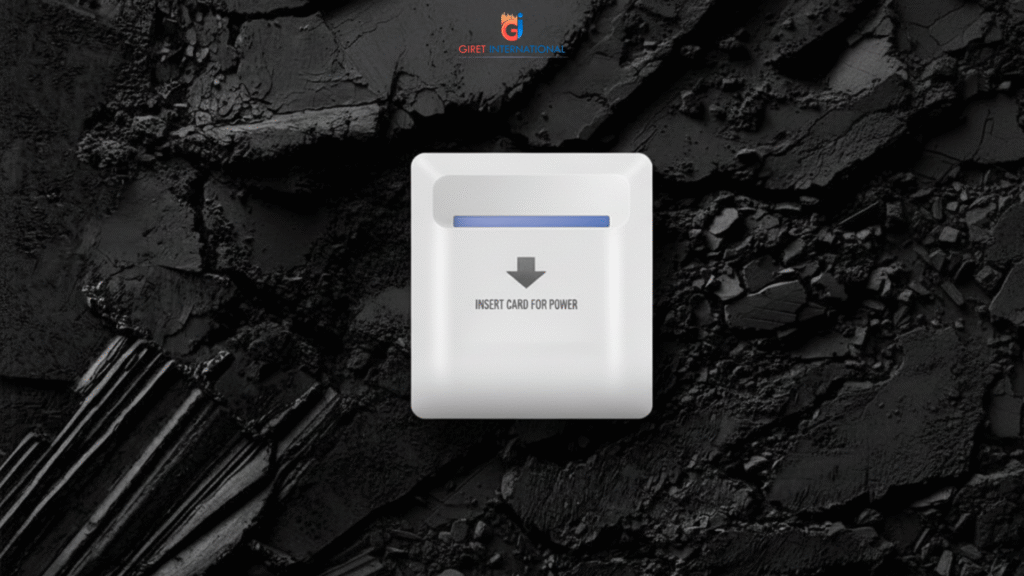
Automation is no longer a luxury; it is essential for cost-effective hospitality.
Modern hotels rely on ESS Switches to build a foundation of automation that minimizes waste and maximizes efficiency.
Why Hotels Prefer Giret International for ESS Solutions
Giret International provides premium, hospitality-grade ESS systems known for:
- RFID Mifare-only activation
- Tempered glass and PC-body finishes
- 40A switching capability
- 20–30 second intelligent delay
- Long-lasting durability
- 100% compatibility with smart-room technologies
Hotels across India trust Giret for reliable engineering, beautiful designs, and stable performance.
About Giret International
Contact Us
Hospitality Products
Instagram | Facebook | Pinterest | YouTube | X (Twitter)